What's the Best Area to Stay in Bordeaux for a Wine Trip?
Where you sleep determines how your wine trip actually runs, more than most people plan for before they arrive.
What's the best area to stay in Bordeaux for a wine trip?
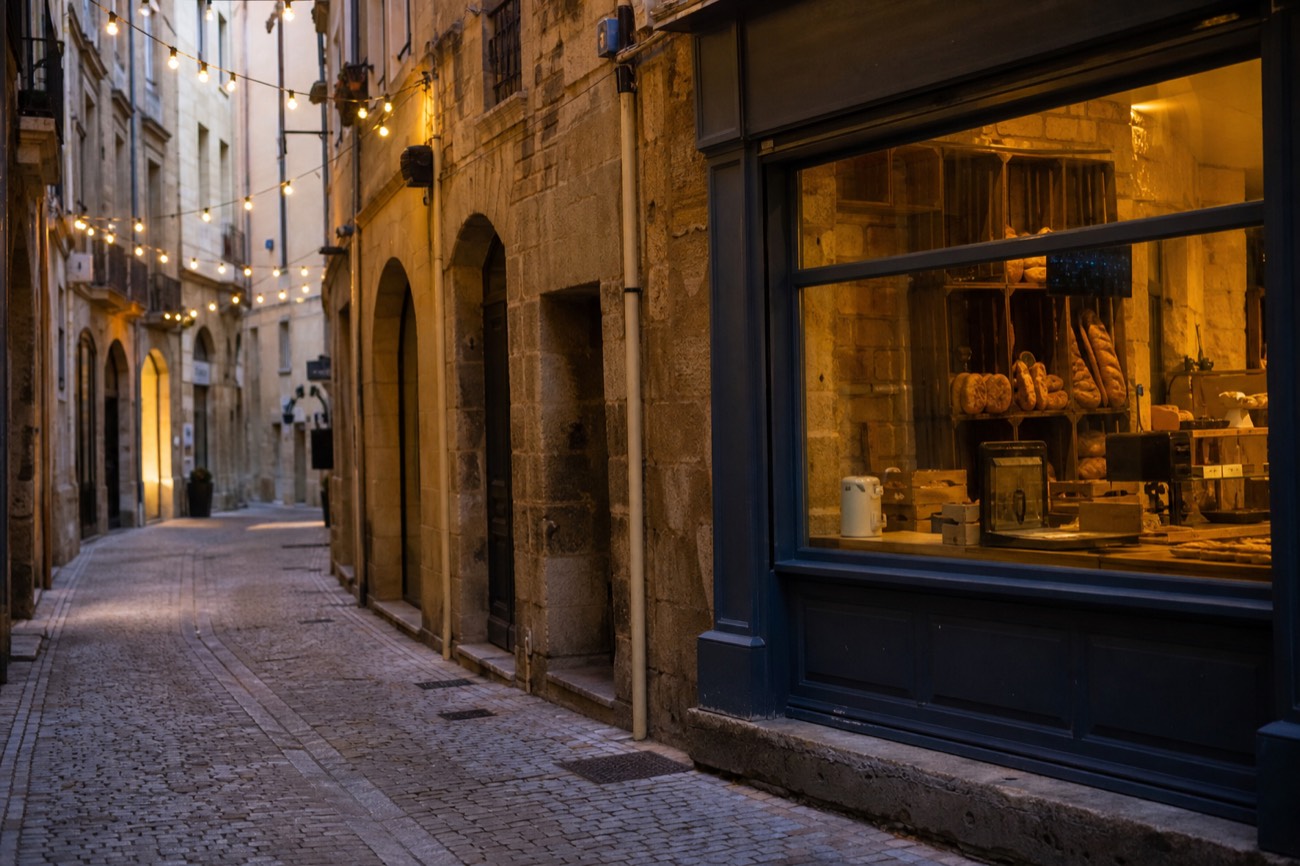
Stay centrally in Bordeaux city, in or near the Old Town and Saint-Pierre, rather than out in the wine region itself. Virtually every guided tour on this market departs from central Bordeaux, walking access to the Cité du Vin and Place de la Bourse is only useful if you're close, and the region's châteaux are all a short organized drive away regardless of which city neighborhood you pick. Staying out among the vineyards sounds romantic and occasionally is, but it trades away more convenience than most travellers expect.
Use the options below to weigh which outing fits your Bordeaux base. Start with the booking choice, or refine the shortlist after the guide.
Booking choice: Choose Médoc or Saint-Émilion when booking. One château, a guided tasting and French appetizers, with return minivan transport from Bordeaux. View Half-Day Château Tour
Why the city center wins for most visitors
The practical case is transport. Nearly every tour format described in our guide to what to expect on a Bordeaux wine tasting tour, from the half-day château tours to the full-day multi-winery trips, picks up in central Bordeaux. Staying anywhere within easy reach of downtown means a short walk or taxi to your pickup point rather than an early alarm to make it into the city before your tour even starts.
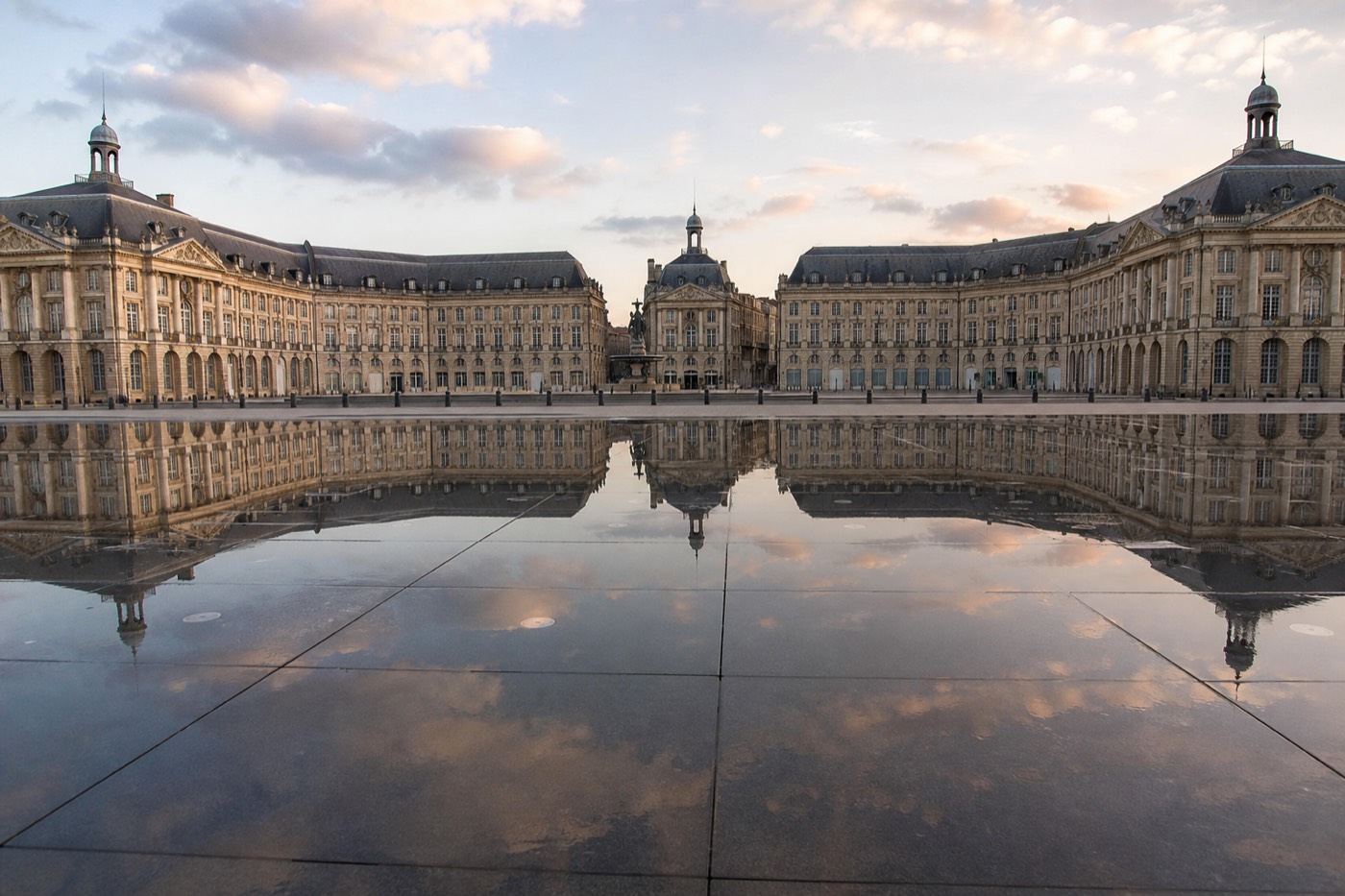
The Old Town and Saint-Pierre district put you within walking distance of the Cité du Vin, Place de la Bourse and its water mirror, and the medieval streets that make Bordeaux worth a night on their own merits. Restaurants and wine bars cluster here too, so evenings after a day of tasting don't require another taxi ride. If your trip includes a walking-format tour like the Old Town food and wine walking tour or the Chartrons wine and cheese walk, staying nearby means you can walk to the meeting point instead of budgeting extra time to get across the city.
A short distance north, the Chartrons quarter offers a quieter, more residential alternative with its own draw: this was historically the wine-merchant district, where négociants stored and shipped Bordeaux wine for centuries. It's still walkable to the center, still close to the riverfront, but trades some of Saint-Pierre's density for a calmer evening. Either the Old Town or Chartrons puts you in range of everything, which is the real point.
Most shared château tours in this shortlist meet at a fixed point in central Bordeaux, commonly Quinconces or the tourist office. Check the exact meeting point before choosing your hotel. The private Citroën DS tour lists hotel pickup in Bordeaux and its suburbs; that inclusion does not apply to every tour.
What about staying out in the wine region itself?
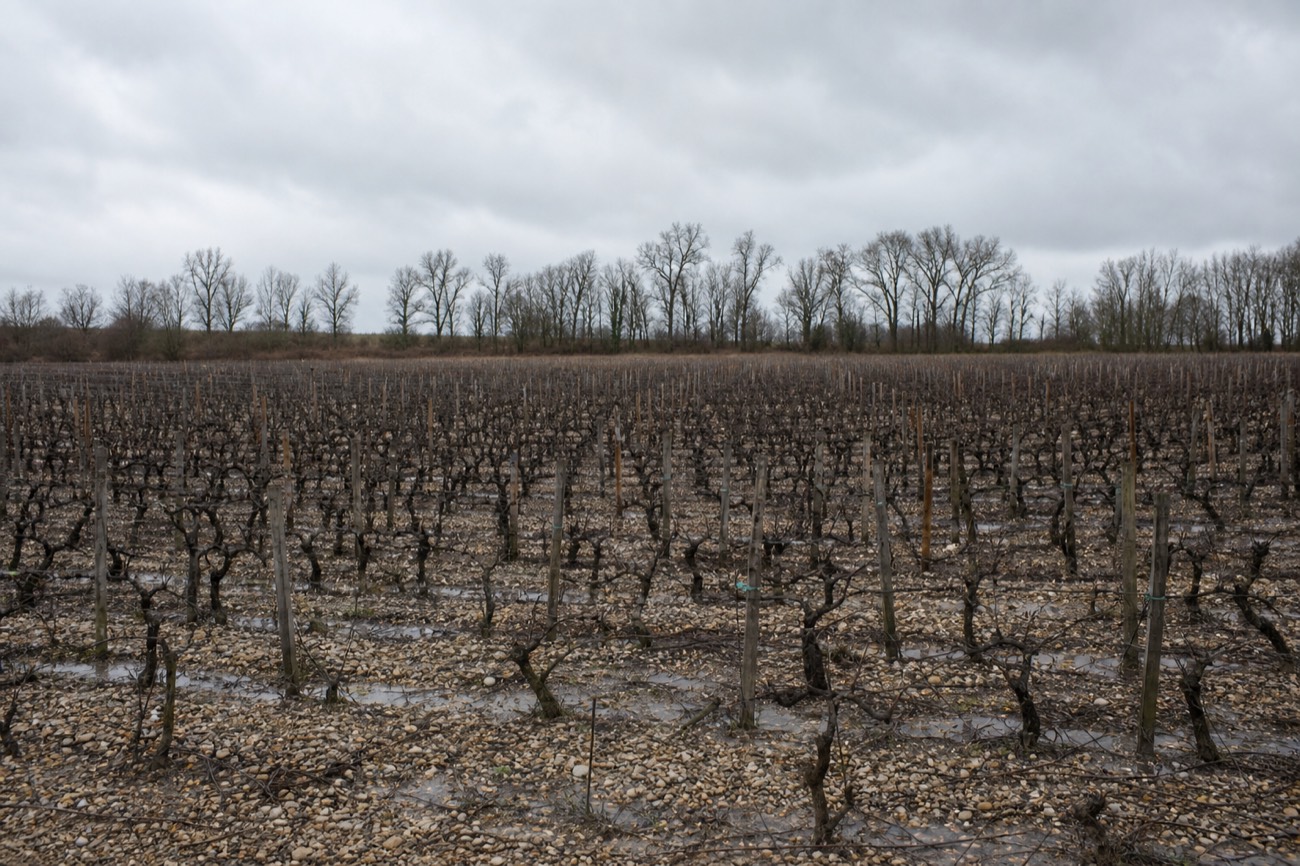
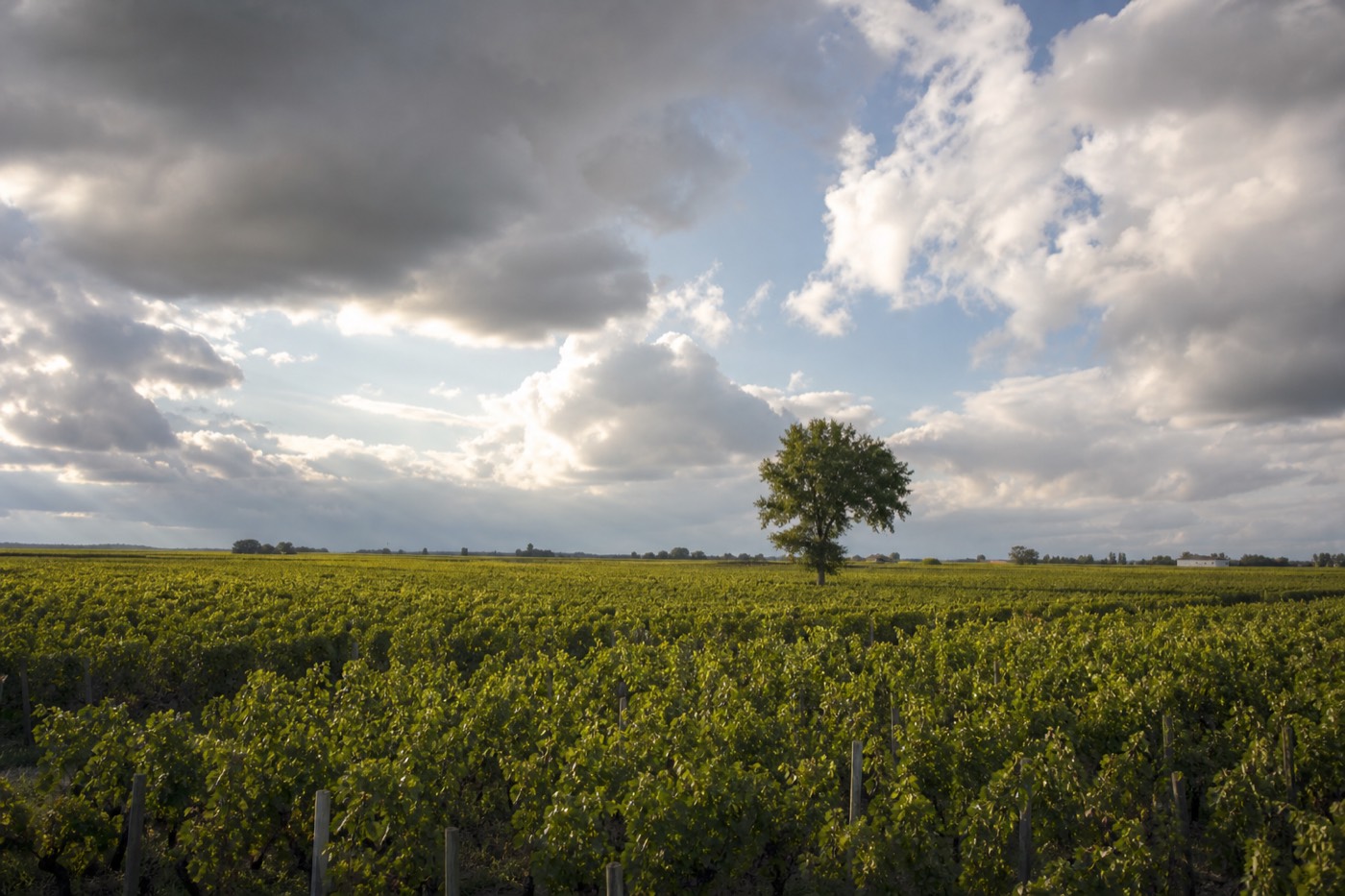
Basing yourself directly among the vineyards, in the Médoc or near Saint-Émilion, has a genuine appeal: you wake up already there, and evening light over the vines is hard to beat. But it comes with real trade-offs that are easy to underweight while planning from home.
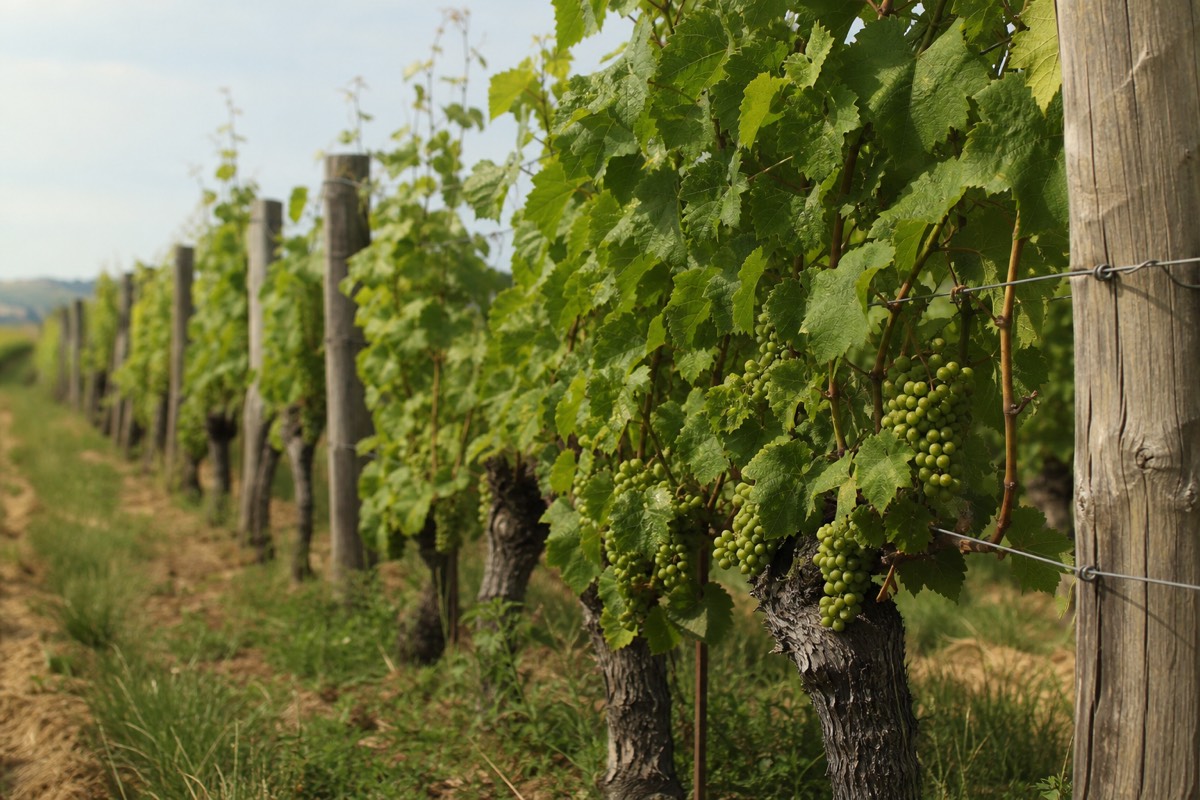
The first is transport. A car becomes close to essential, since the reliable, low-hassle option of organized pickup from central Bordeaux disappears if you're not staying in the city. You'd be self-navigating rural roads to reach even the tours you booked, adding logistics to a trip that's supposed to be about tasting wine, not managing directions. The second trade-off is amenities. Rural stays near the châteaux mean fewer restaurant choices, less nightlife, and a quieter pace that some travellers want but others find limiting after one evening.
Saint-Émilion village itself is the partial exception worth naming. It's a walkable, UNESCO-listed base with its own restaurants and the Monolithic Church and underground quarries on your doorstep, so staying there for a night as part of a longer trip can work well if you're specifically drawn to the Right Bank. It's still a meaningful drive from central Bordeaux, though, which matters if the rest of your itinerary is city-based. For more on whether it earns a dedicated stop, see is Saint-Émilion worth visiting and our Saint-Émilion day trip from Bordeaux guide.
What if I'm only in Bordeaux for a day or two?
Then the decision makes itself: stay central, full stop. Short stays don't have room for the extra transit that a rural base demands, and every tour pickup point, plus everything else worth seeing in the city, sits within a compact, walkable core. If you're weighing whether a short Bordeaux stop is worth it at all against a longer trip, our piece on how many days you need in Bordeaux covers that calculation directly, and is Bordeaux worth a day trip from Paris handles the even shorter version of the same question.
The same logic holds even if wine isn't the only thing on your list. A central base means the morning can start with a tour pickup and the evening can end with dinner in the Old Town, without a drive in either direction eating into the day. Travellers splitting their time between a wine-focused morning and city sightseeing in the afternoon get the most out of exactly this setup, since neither plan has to work around the other.
Whichever neighborhood you land in, the wine region itself stays reachable. Nothing in the Médoc or on the Right Bank is more than about an hour from a central Bordeaux hotel, and every guided format handles that drive for you. You can browse the full list of Bordeaux wine tours and match pickup logistics to wherever you end up staying.