What to Expect on a Bordeaux Wine Tasting Tour: Formats, Cost and Etiquette
Four tour formats exist under the label "Bordeaux wine tour," and they don't overlap as much as the search results suggest. Here's what actually happens on each one, what it costs, and how to taste without looking like you've never held a glass by the stem.
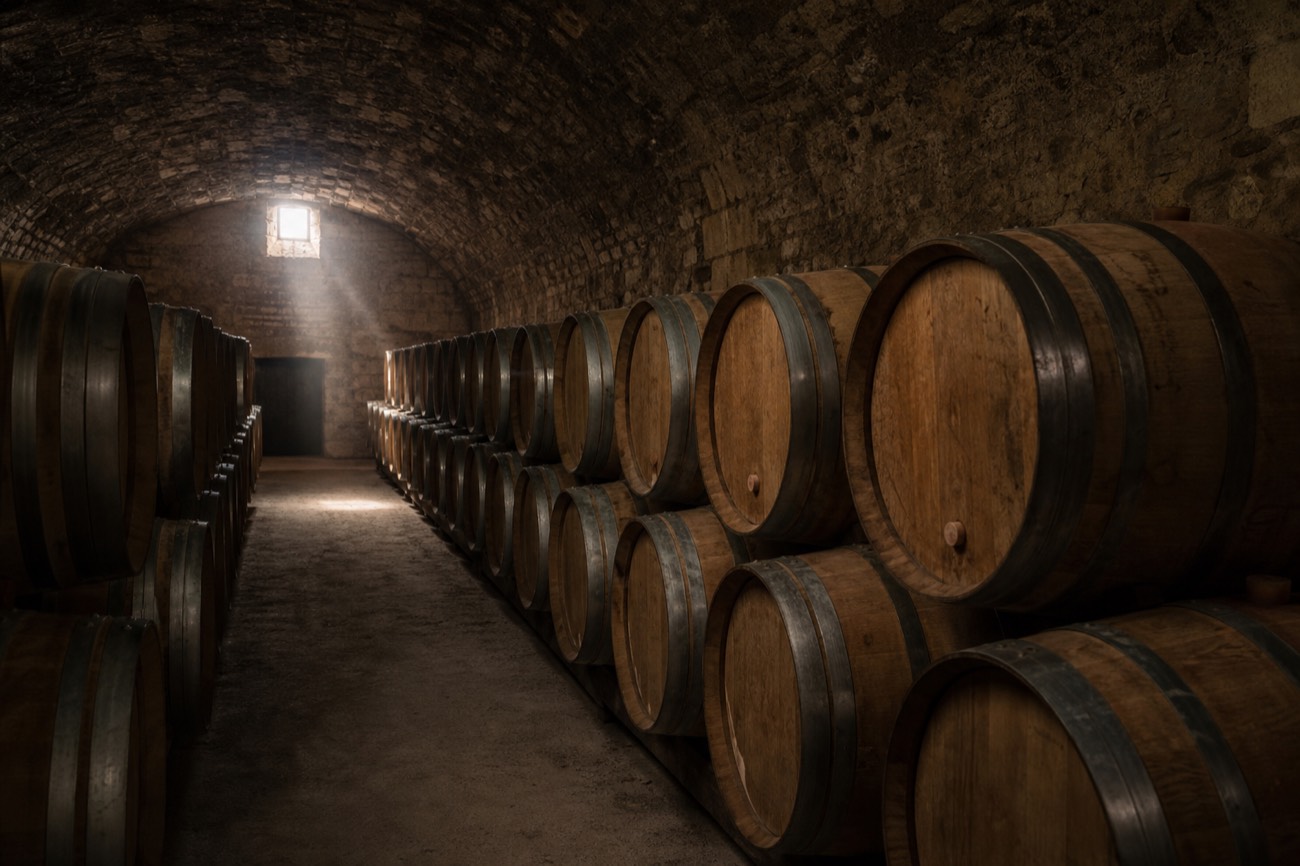
The price ladder, all 9 tours
Prices from the site's own current tour listings. The half-day château tour (gold) is the shared format on the market.
What formats does a Bordeaux wine tour actually come in?
Four distinct formats cover almost everything sold as a Bordeaux wine tour: in-city tasting classes (1-2 hours, no travel), half-day château tours (4 hours, one region, 1-2 estates), full-day multi-winery tours (8-9 hours, multiple regions, lunch included), and private tours (any length, one group, your pace). They differ less in quality and more in how much time, travel and money you're willing to trade for how many estates you see. Picking the wrong one is the single most common regret first-time visitors report: booking a full-day trip when they only had the appetite for ninety minutes, or booking a quick class when what they actually wanted was to stand in a vineyard.
Use the options below to weigh choose your Bordeaux tasting format. Start with the booking choice, or refine the shortlist after the guide.
Booking choice: Choose Médoc or Saint-Émilion when booking. One château, a guided tasting and French appetizers, with return minivan transport from Bordeaux. View Half-Day Château Tour
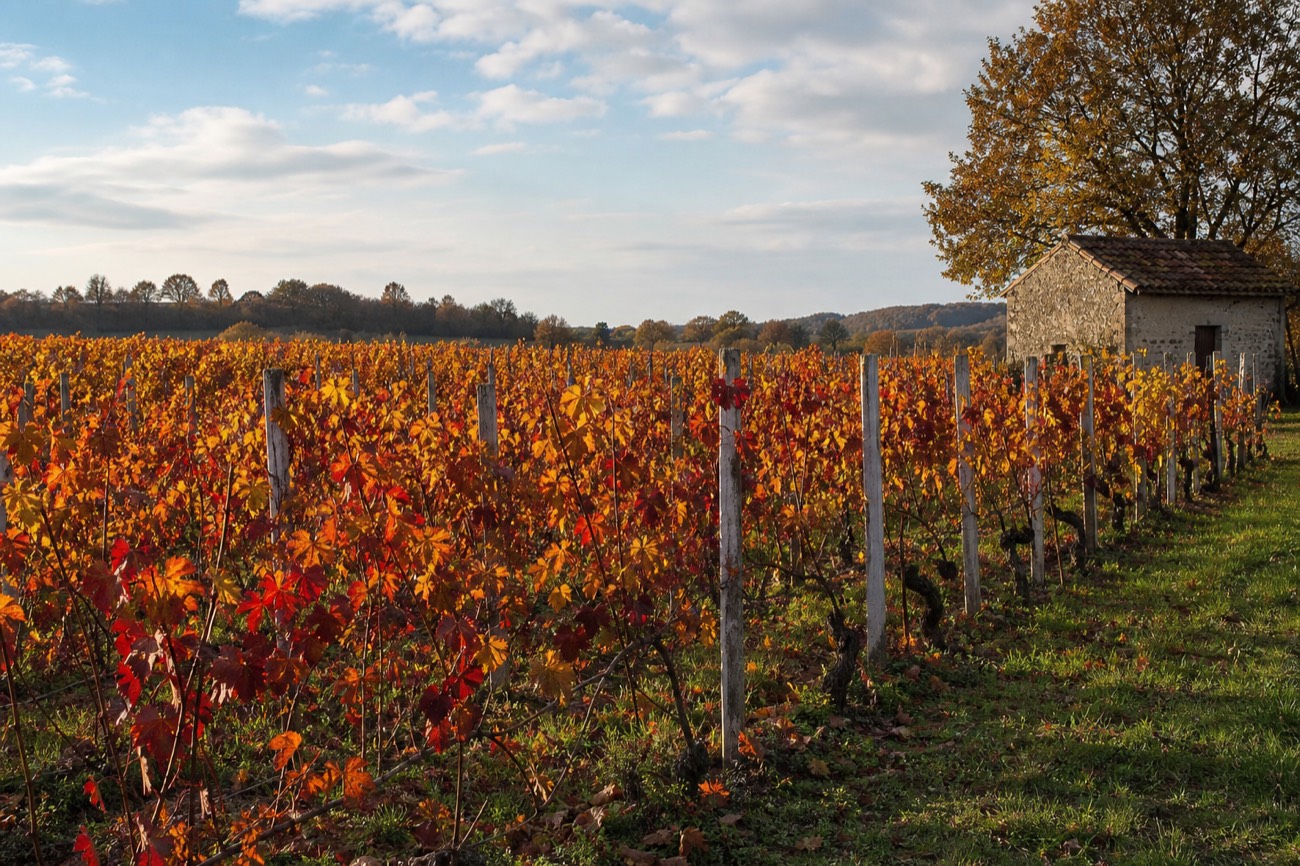
The wine and cheese tasting class is the simplest entry point: a seated session in the city, no bus, no driving, just a working understanding of what's in the glass. At the other end, the 3 wineries tour with a gourmet picnic takes a full day and crosses sub-regions by minivan. In between sit the half-day château tours, which are the most heavily booked format on the market precisely because they fit a single morning or afternoon without eating the rest of your trip.
| Format | Typical length | Where it happens | Best suited to |
|---|---|---|---|
| In-city tasting class | 1-2 hours | A wine bar or tasting room in Bordeaux itself | Short stays, beginners, no interest in driving out |
| Half-day château tour | 4.5 hours | One region (Médoc, Margaux or Saint-Émilion), 1-2 estates | Travellers with one free morning or afternoon |
| Full-day multi-winery tour | 8-9 hours | Multiple sub-regions, 2-3 estates, lunch included | Wine-focused travellers who want depth and variety |
| Private tour | Half or full day, flexible | Custom route, your choice of regions | Special occasions, groups with specific interests, dietary needs |
There's a fifth shape worth naming separately because it doesn't fit the grid above: the walking tour that blends wine into a broader food or city experience, like the Old Town food and wine walking tour. It's technically in-city and technically short, but it covers more ground on foot than a seated class and treats wine as one course in a bigger meal rather than the entire point.
A sixth variant worth flagging for a specific kind of traveller: the active format. Instead of a minivan, some full-day tours cover the ground by e-bike, which changes the pace of the whole day rather than just the transport. You cover less distance than a driven route but see far more of the actual countryside between stops, vine rows and gravel lanes rather than a highway shoulder. It suits travellers who'd rather earn their lunch stop than be delivered to it, and it's still fully guided, so nobody's expected to navigate on their own.
You do not need wine expertise to benefit from a guided introduction. A family-estate visit offers a personal explanation of the growing and cellar work; a shared château day arranges several parts of the trip together. The organic Yvrac visit is worth comparing on that basis, with its separate transport requirement, rather than treating it simply as the cheapest option.
What actually happens, hour by hour, on a guided château tour?
A typical full guided day starts around 8:30am with a minivan departure into the Médoc, hits the first château by 9:15am for a cellar tour and guided tasting, crosses to a second estate by late morning, breaks for a picnic or seated lunch around noon, then spends the afternoon on a second region before returning to the city by early evening. The shape holds whether you're doing a half-day or full-day version, just compressed or stretched depending on how many estates are on the route.
Here's what that looks like when it's written out, drawn from how a typical full-day route through Médoc and Saint-Émilion actually runs:
| Time | What happens |
|---|---|
| 8:30am | Depart Bordeaux by minivan, heading into the Médoc |
| 9:15am | First château visit in Margaux, cellar tour begins |
| 10:00am | Guided tasting of Cabernet Sauvignon-dominant reds |
| 10:45am | Drive north through Pauillac, photo stop at Château Latour |
| 11:15am | Second château visit in Saint-Julien or Pauillac |
| 12:00pm | Gourmet picnic lunch among the vines |
| 1:30pm | Return drive, crossing the Gironde |
| 2:30pm | Arrive Saint-Émilion village |
| 3:00pm | Third château visit, Merlot-dominant Right Bank tasting |
| 4:00pm | Visit the Monolithic Church and underground quarries |
| 4:30pm | Final glass at a négociant in the village |
| 5:30pm | Return to Bordeaux city |
A half-day tour, like the Médoc or Saint-Émilion half-day château tour, cuts this down to a single region and one or two estates rather than the full loop, which is why it runs 4.5 hours instead of 9. You don't get the underground quarries or the négociant stop, but you also aren't giving up an entire day of your trip. Across most formats, expect to taste somewhere between 6 and 12 wines spread over 3 to 5 wineries, mixing reds with at least one white, and often a rosé or a glass of Crémant de Bordeaux thrown in on top.
How much does a Bordeaux wine tour cost, and what changes at each price point?
Compare formats by what their quotes include. A city class pays for guided tasting time without a vineyard transfer. A shared château tour adds transport and arranged visits. A private route adds a dedicated guide and vehicle, while meals and tasting fees may still need checking. Use current quotes for the same party and date in the calculator below.
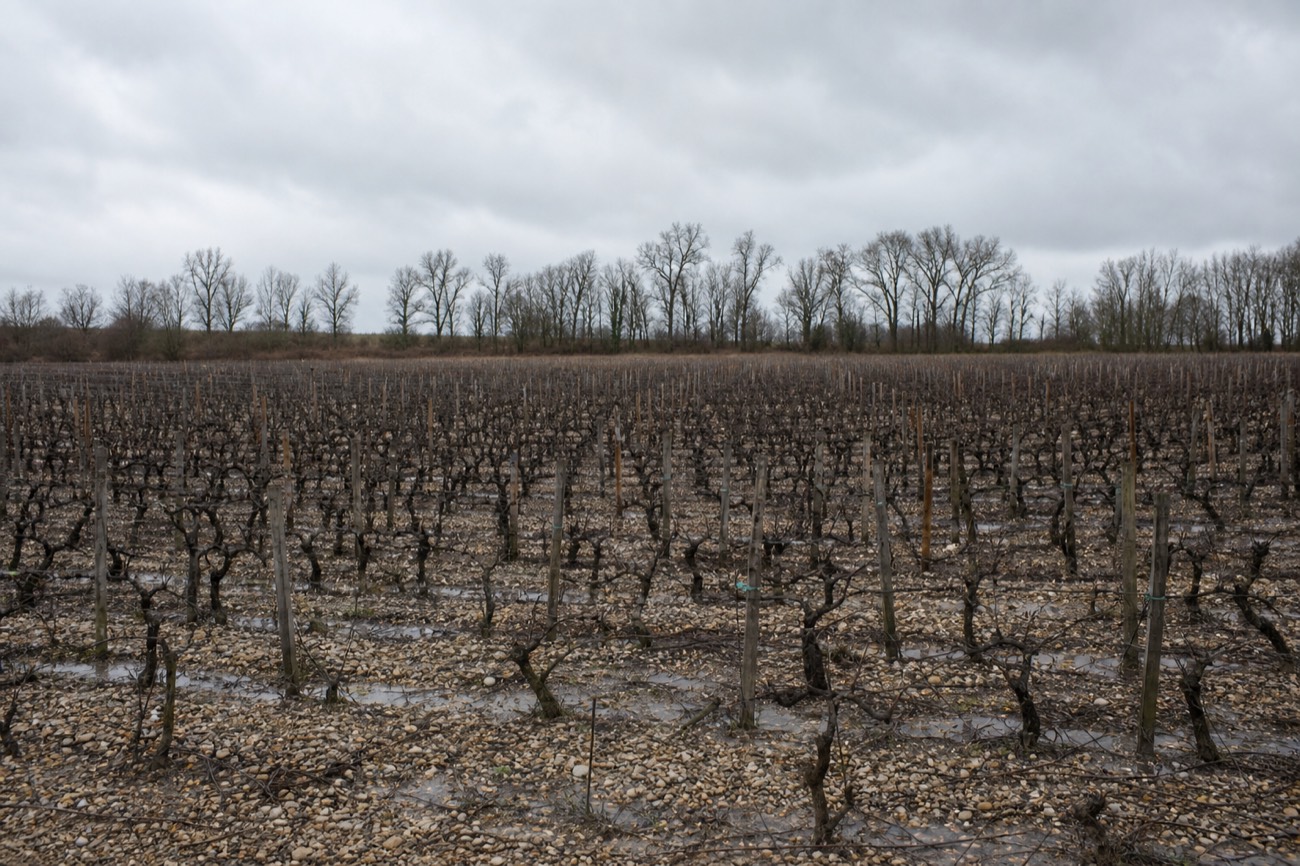
The organic family vineyard visit focuses on one estate with its growing, cellar work and wine range explained by a family member. Transport to Yvrac is separate. The private Médoc route instead provides a dedicated car and chauffeur-guide across several estates; confirm tasting fees and meals. Those inclusions explain more about the value than an old starting price.
| Price band | Examples | What's typically included | What's usually NOT included |
|---|---|---|---|
| a date-dependent price | Family vineyard visit, in-city tasting class | Guided tasting, one location, small group | Transport to/from hotel, lunch, multiple estates |
| a date-dependent price | Old Town walks, half-day château tours | Round-trip transport (château tours), 1-2 estates, guided cellar tour, cheese or charcuterie pairing | Full lunch (most 4-5h tours skip it) |
| a date-dependent price | e-Bike day trip, 3 wineries with picnic | Full day, multiple regions, 2-3 estates, lunch included | Private-only attention (still small group) |
| a date-dependent price | Private Citroën DS Médoc tour | Private guide and vehicle, flexible route, optional picnic | Nothing structurally, this is the top of the market |
For context on what you'd pay going it alone: independent château tastings run free to about EUR 20 per person when you can get an appointment, and a self-drive rental car runs roughly EUR 40-70 a day. The catch is booking access. The major classified growths (the names most people have actually heard of) require weeks or months of advance notice and essentially never take walk-ins, so the price of a guided tour is also buying you a door that would otherwise stay shut. For the full logic on whether that trade is worth it for your trip, see our honest breakdown of is a Bordeaux wine tour actually worth it.
One line item worth knowing before you book anywhere: hotel concierge desks in Bordeaux typically mark up the exact same tours by 15-20% over booking directly online. It's a convenience fee, not a different product, so unless your hotel is offering something genuinely bundled or exclusive, booking direct saves real money for identical inclusions.
How do you actually taste wine on a guided tour, and are you expected to spit?
Spitting is normal, expected and never judged on a Bordeaux tasting tour, but nobody will force you to do it either; the standard sequence is look, swirl, smell, sip, and either swallow or spit into the provided bucket, repeated for each pour while the guide walks you through what you're noticing. Most guests on a multi-stop day spit at least some of the earlier pours simply to stay upright through wine number eight or nine.
| Do | Don't |
|---|---|
| Hold the glass by the stem, not the bowl, so your hand doesn't warm the wine | Wear strong perfume or cologne, it interferes with everyone's sense of smell including your own |
| Swirl gently before smelling to release the aromas | Rinse your glass with water between pours, a small residue helps the next wine show properly |
| Use the spit bucket without embarrassment, guides expect it and provide it for exactly this | Chew gum or mints right before tasting, it masks what you're supposed to taste |
| Ask questions about soil, blend and vintage, guides are there for exactly this | Feel obligated to buy a bottle at every single stop, tasting and buying are separate decisions |
| Eat something before you start, even a light breakfast | Show up on an empty stomach expecting the charcuterie to be your first food of the day |
On buying: you are never required to purchase anything, at any estate, on any tour in this market. Some family-run properties do sell bottles on-site and appreciate the business, but the guides on every format described here are paid through the tour price, not commission on your wine purchases, so there's no pressure baked into the visit itself. If you do want to buy, ask the guide about shipping. Wine bought at a small estate usually can't leave in your carry-on, and most properties that deal with tourists regularly have a shipping arrangement.
Good questions to ask a guide mid-tasting: what grape or blend is dominant, how old are the vines, was this fermented or aged in oak, and how does this vintage compare to the one before it. Guides on these tours, whether at a family estate or a classified château, are used to explaining Cabernet Sauvignon versus Merlot dominance in plain language, and most enjoy the chance to go deeper if you show genuine curiosity rather than just working through the pour list.
Lunch is worth planning around separately from the tasting itself. Full-day tours running 7-9 hours typically build in a proper 2-3 course meal, either at a winery restaurant or a picnic among the vines, often paired with the wines you've just tasted and featuring regional specialties like duck, foie gras, cheese or seafood. Half-day tours running 4-5 hours usually skip lunch entirely, since there simply isn't time, so eat before you go or plan something after you're back in the city.
Private tour or group tour: which is actually worth the extra cost?
A private tour costs roughly EUR 300-600+ per person against EUR 150-250 per person for a comparable group tour, and the extra money buys flexibility: your own pace, your own stops, and a guide focused entirely on your group rather than splitting attention across a coach. Whether that's worth it depends on why you're going, not on some abstract idea of which format is better.
Group tours, the format behind most of the options covered in this guide, suit solo travellers, couples and first-timers well precisely because the cost is shared across the group. You still get a knowledgeable guide, round-trip transport and a well-run itinerary, just alongside other travellers rather than in a bubble. Private tours earn their premium for special occasions, groups with specific dietary needs, or anyone who wants to swap out a stop on the fly, and the private Citroën DS Médoc tour is the clearest example on this market: a classic car, a private guide, and a route built around your group alone.
| Group tour | Private tour | |
|---|---|---|
| Typical cost per person | EUR 150-250 | EUR 300-600+ |
| Pace | Fixed itinerary, shared with other travellers | Flexible, set by your group |
| Best for | Solo travellers, couples, first-timers, budget-conscious trips | Special occasions, dietary needs, groups who want full control |
| Guide's attention | Shared across the group | Focused on you alone |
Which format actually suits which kind of traveller?
Choose the in-city tasting class if you have under two hours and want a foundation; the half-day château tour if you have one free block of your trip and want one region done properly; the full-day multi-winery tour if wine is the main reason you're in Bordeaux; and the private tour if budget isn't the constraint and flexibility is. None of these is objectively "better," they answer different questions about your trip.
First-time visitors on a short stopover, including many doing a day trip from Paris, tend to do best with either the class or the half-day tour, since both fit inside a compressed schedule without requiring you to plan your whole day around wine. Travellers who've built their itinerary around Bordeaux specifically, or who are staying multiple nights, get more out of the full-day formats because the extra hours buy variety: different soils, different grape dominance, a proper sit-down lunch instead of a quick pairing plate. For a deeper look at how the two main regions differ in what you'll actually taste, see our guide to Bordeaux's wine regions, and if you're torn between the two most popular half-day options, Médoc or Saint-Émilion: which tour to book walks through the decision directly.
Families travelling with kids should know that most small-group tours accept children from around age 6, though tasting rooms themselves often carry a minimum age of 12-18 for alcohol service, meaning younger kids can join the château visit but won't be pouring a glass. Private tours accept all ages and let you set a slower pace, which matters more with young children than the tasting itself does. Solo travellers, including solo women, are well served by any group format: Bordeaux's wine regions have low reported crime against tourists, and every guided option here runs with a professional driver or guide.
One more variable worth weighing before you book: the season. Wine tours run year-round, but what's actually happening in the vines, from bud break to harvest, changes what you'll see and how full the tours run. Our guide to the best time of year for a Bordeaux wine tour breaks down the month-by-month picture in full.
Mobility is worth a straight answer too, since it rarely gets one. Cellars are often centuries old, with uneven stone floors, low doorways and the occasional flight of narrow stairs down to the barrel room. Most tours can accommodate limited mobility with advance notice, since group sizes are small enough for a guide to adjust the route, but if stairs or long stretches on foot are a real concern, mention it when you book rather than discovering the layout on arrival. Private tours give you the most control here, since the whole route can be shaped around what works for your group. Here's how all the tours discussed here in this market stack up on rating and popularity, which is a reasonable proxy for how well each format actually delivers on its promise:
| Tour | Format | Rating | Bookings |
|---|---|---|---|
| Médoc or Saint-Émilion half-day château tour | Half-day | 4.8 | 14,550+ |
| 3 wineries with gourmet picnic | Full-day | 5.0 | 3,282+ |
| Old Town food and wine walking tour | City walking | 5.0 | 3,228+ |
| Margaux discovery tour | Half-day | 4.7 | 3,893+ |
| Old Town wine and cheese tasting walk | City walking | 4.9 | 2,325+ |
| Wine and cheese tasting class | In-city class | 4.9 | 2,001+ |
| e-Bike to Saint-Émilion | Full-day | 4.9 | 1,999+ |
| Organic family vineyard tour | In-city/short | 5.0 | 1,181+ |
| Private Citroën DS Médoc tour | Private | 4.8 | 155+ |
How far ahead should you book?
Book the flagship half-day château tour and the full-day 3 wineries tour at least a few weeks out if you're travelling in summer or during September-October harvest season, since both fill on weekends during those windows; private tours need more lead time still, with the operator's own guidance suggesting 2-6 weeks ahead for prestigious estates. Shorter, smaller-group experiences like the in-city tasting class are the most forgiving if you're booking late.
| Tour type | When it fills up | Recommended lead time |
|---|---|---|
| Médoc or Saint-Émilion half-day tour | Summer weekends, harvest season | 2-3 weeks ahead in peak season |
| 3 wineries with picnic (full-day) | September-October | 2-3 weeks ahead for harvest season dates |
| Private Citroën DS tour | Year-round for popular estates | 2-6 weeks ahead for prestigious estates |
| In-city tasting class | Rarely sells out completely | A few days is usually enough |
Outside those peak windows, most formats have more flexibility, but booking earlier never hurts and locks in your preferred pickup time. Estates that only accept groups by appointment, which includes most of the classified names, need the operator's own lead time regardless of season, since the château itself is setting the schedule, not the tour company. For the fuller picture of how weather, harvest and crowds shift month to month, the guide to the best time of year for a Bordeaux wine tour lays out the full calendar.
Where do tours pick up, and do you need a car of your own?
Shared château excursions include transport from a central Bordeaux meeting point. City classes and walking tours start in town and do not include rural transfers. The organic visit starts at the vineyard in Yvrac, so arrange your own transport. Only assume hotel pickup when the specific listing includes it.
If you're staying centrally, near the Bordeaux wine regions' urban gateway around Place de la Bourse or the Old Town, pickup logistics are simple and you'll be within easy reach of every tour's meeting point; the best area to stay in Bordeaux for a wine trip breaks down exactly which neighbourhoods make that easiest. Travellers weighing whether to rent a car instead and do it all independently should read worth renting a car for Bordeaux wineries before deciding, since the calculation changes depending on how many days you have and how firmly you want to control your own schedule. Taxis within the city are reliable but run EUR 60-120+ one-way out to the vineyards themselves, which makes the bundled transport on a guided tour look like better value the moment you do the math on a round trip.
However you approach it, you can browse the full list of Bordeaux wine tours to compare formats side by side once you know which one fits your trip.