Médoc or Saint-Émilion: Which Bordeaux Wine Tour Should You Book
Most first-time visitors ask the same question at the booking stage: Médoc or Saint-Émilion? Here's the actual difference between the two, and a straight answer for who should book which.
Médoc vs Saint-Émilion, scored 1-5
Scores reflect what each region physically offers (scenery, prestige château access, walkability), not an overall verdict; priorities decide which numbers matter.
What's the real difference between a Médoc tour and a Saint-Émilion tour?
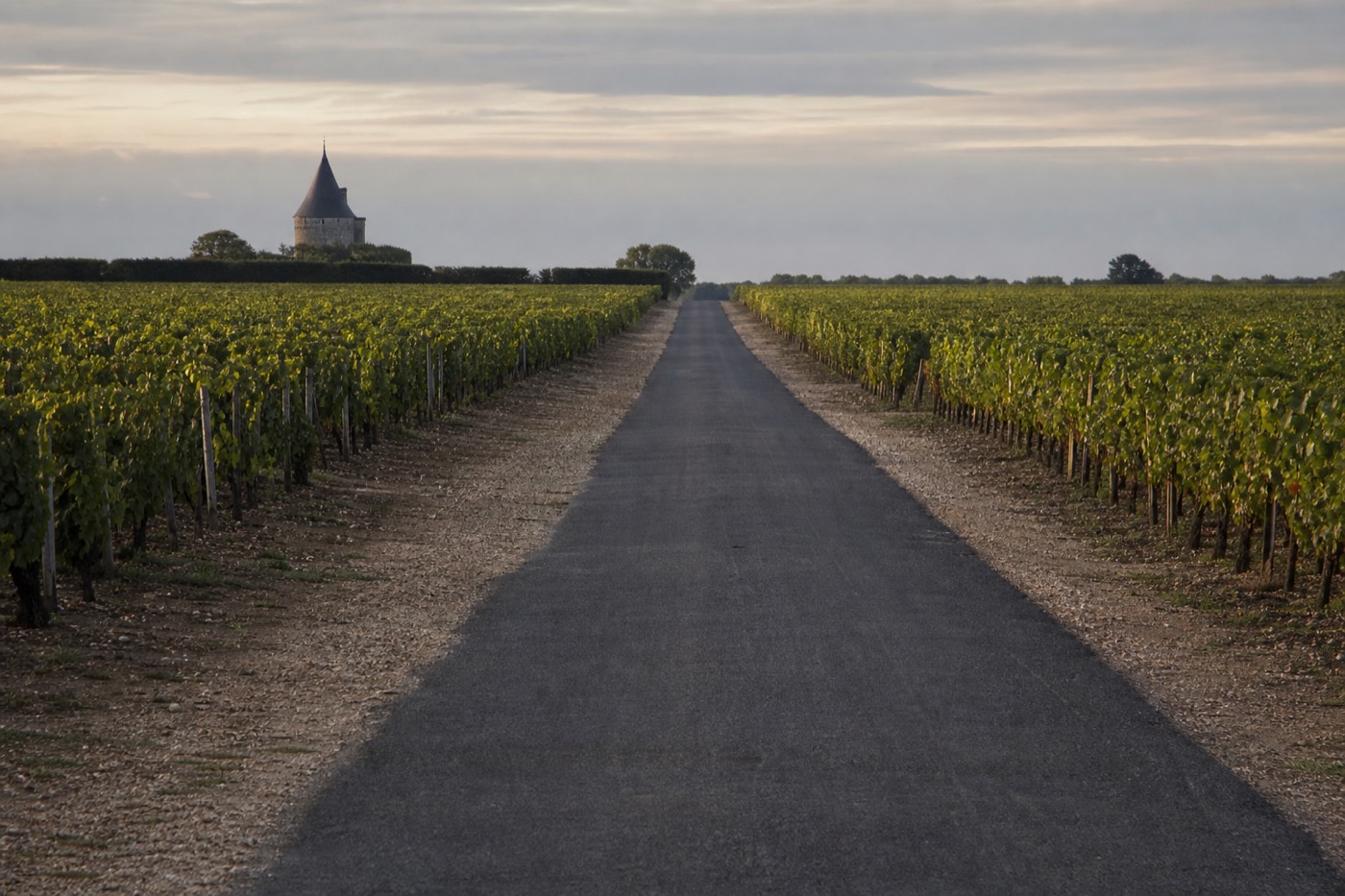
A Médoc tour puts you on flat gravel land west of the Gironde, walking through Cabernet Sauvignon-dominant estates with some of the most recognized château names in wine. A Saint-Émilion tour puts you inside a UNESCO-listed medieval hill village on the east side of the river, tasting Merlot-based wines and descending into limestone cellars carved under the town itself. Both regions sit within an hour of Bordeaux city, both are covered by real tours on this site, and both are genuinely worth a day. The difference is what kind of day you get: one is about prestige names and structured wine, the other is about a place you can wander on foot.
Use the options below to weigh which bank and tour format fit you. Start with the booking choice, or refine the shortlist after the guide.
Booking choice: Choose Médoc or Saint-Émilion when booking. One château, a guided tasting and French appetizers, with return minivan transport from Bordeaux. View Half-Day Château Tour
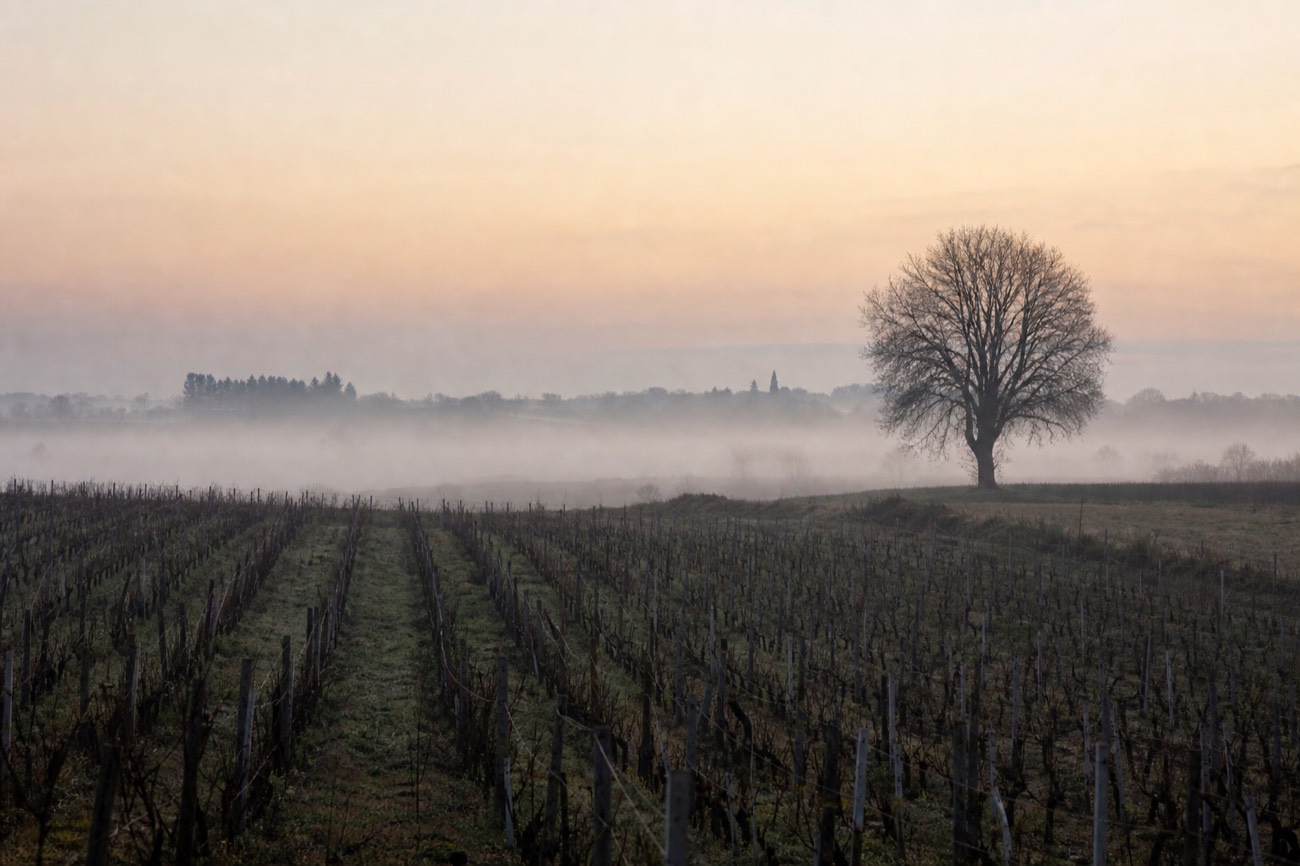
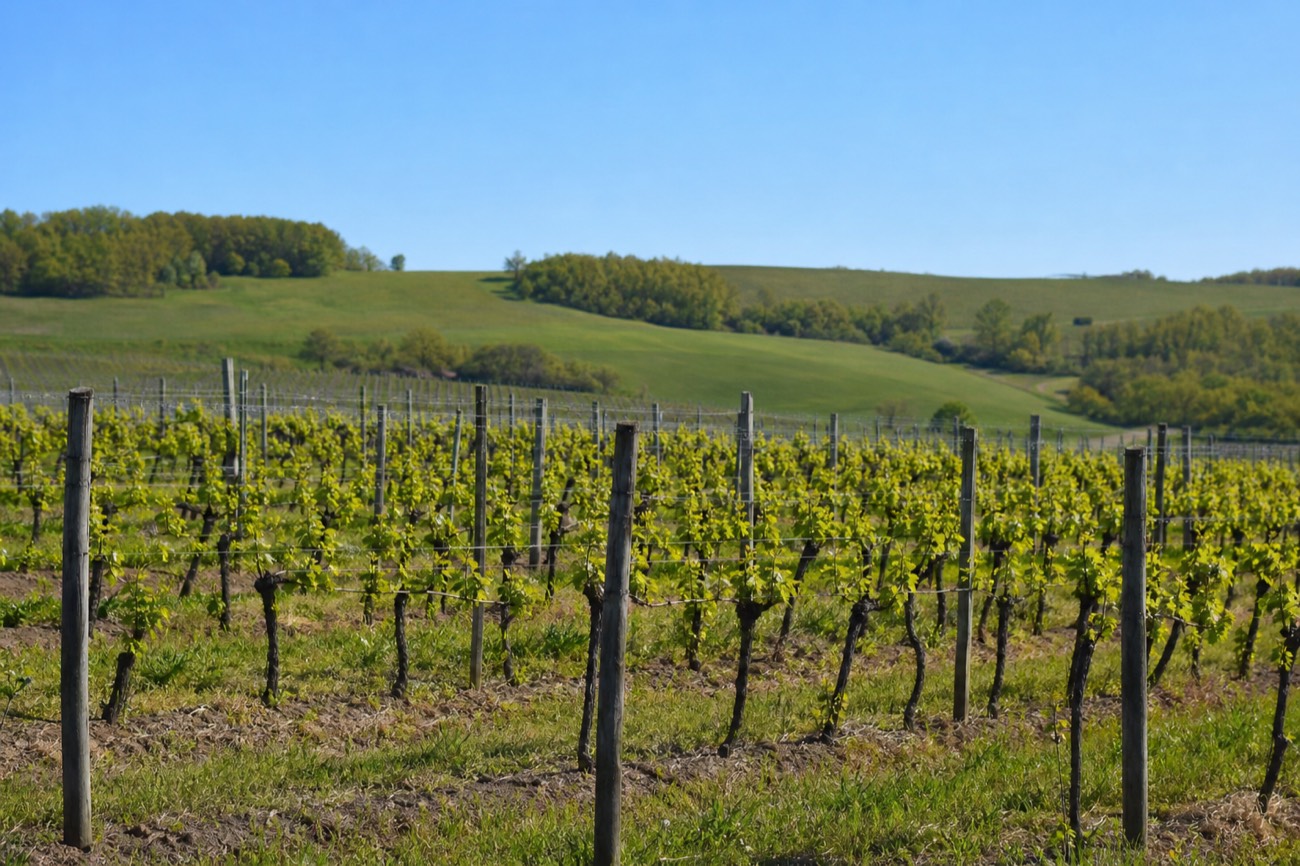
The Médoc is the Left Bank: flat, gravel-soiled, laid out in long straight rows that run to the horizon, with château after château along the D2 wine road through Margaux, Saint-Julien, Pauillac and Saint-Estèphe. It's the region behind the 1855 Classification, the ranking that put Lafite, Latour, Margaux and Mouton Rothschild on wine lists worldwide. Saint-Émilion is the Right Bank: a limestone plateau with an actual town at its center, cobbled streets, a bell tower you can see for miles, and the Monolithic Church carved from a single block of rock between the 9th and 12th centuries. Merlot rules here, on clay and limestone soils that produce rounder, more approachable reds than the structured Cabernet blends of the Médoc.
If you've already read the guide to Bordeaux's wine regions, this article picks up where that leaves off: not what the regions are, but which one to actually book given the tours available right now.
Side by side: landscape, wine and experience
A Médoc day is about driving a wine road between grand estates and tasting structured Cabernet blends in formal tasting rooms. A Saint-Émilion day is about walking a hill town on foot, ducking into underground cellars, and tasting rounder Merlot-based wines with time built in to explore the village itself. The table below lines up the concrete differences.
| Factor | Médoc (Left Bank) | Saint-Émilion (Right Bank) |
|---|---|---|
| Landscape | Flat, gravel soil, long straight vine rows, wine road (the D2) connecting estates | Limestone plateau, hillside town, cobbled streets, vineyards ringing the village |
| Dominant grape | Cabernet Sauvignon, structured and age-worthy | Merlot, rounder and more approachable |
| Signature names | Margaux, Pauillac, Saint-Julien, Saint-Estèphe, the 1855 Classification estates | Château Cheval Blanc, Pétrus, the Monolithic Church, the négociant houses in the village |
| Can you walk around on foot? | Limited: estates are spread along a road, mostly visited by car or minivan | Yes: the village itself is compact and walkable, with vineyards just outside |
| Cellar style | Above-ground château cellars, often modern or classical architecture | Underground limestone quarries and cellars beneath the town |
| Best for | Wine-focused travellers who want prestige access and structured tastings | Travellers who want scenery, a village to explore, and a lighter, more social pace |
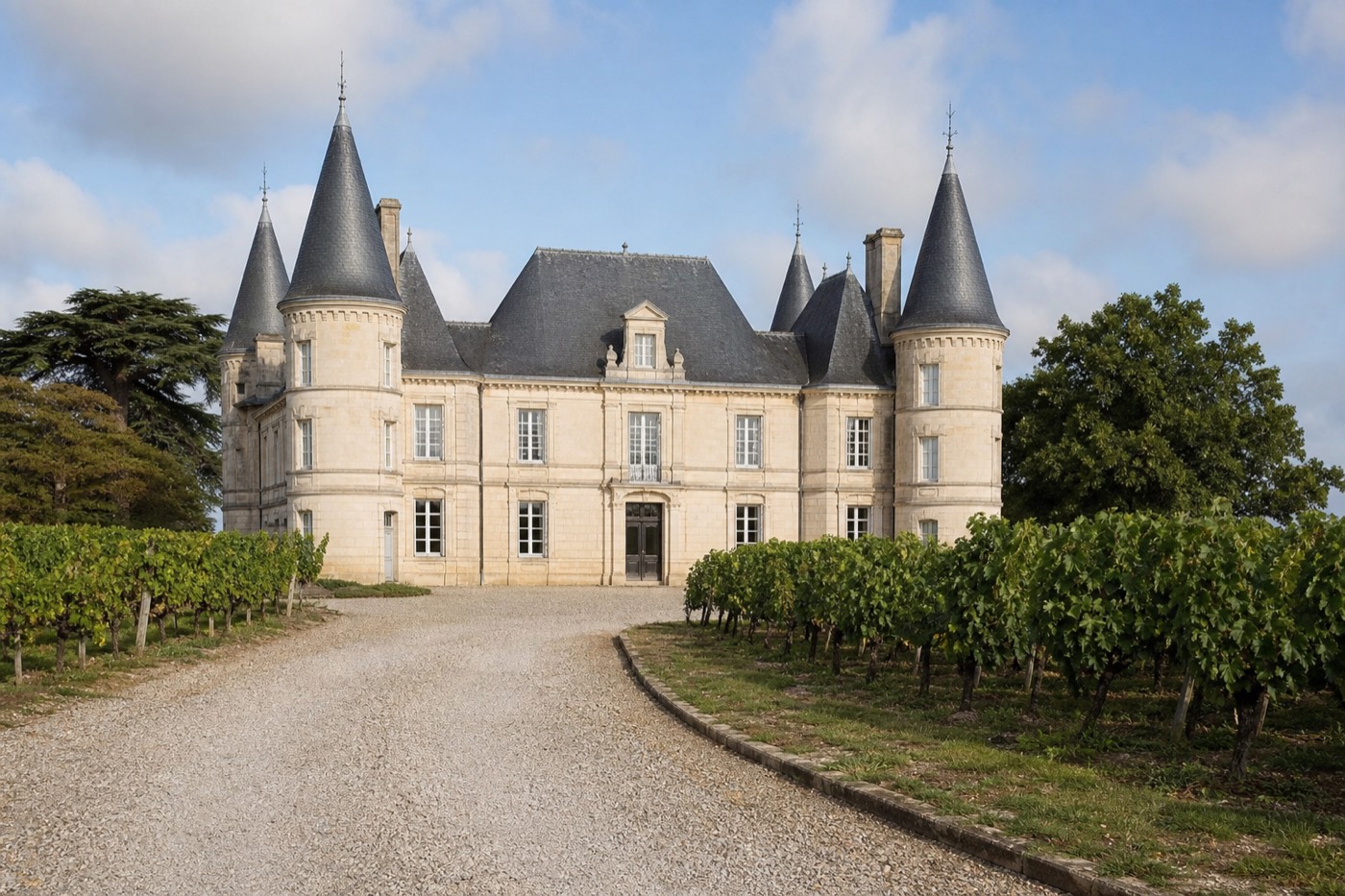
Neither side is the "better" region in any absolute sense. The 1855 Classification gave the Médoc most of its famous names, but as the best Bordeaux wineries and châteaux to visit guide lays out, those top names are largely closed to walk-in visitors without trade connections or advance notice. What a tour actually delivers on either side is a curated stand-in: a real château, a real tasting, a real guide, minus the logistics of trying to book a classified growth yourself.
What does a Médoc-focused tour actually look like?
A Médoc tour means a minivan or car ride through gravel vine country, one or two château stops with guided cellar tours, and a structured tasting of Cabernet Sauvignon-dominant reds, usually with cheese or charcuterie on the side. The pace is more formal than Saint-Émilion: less wandering, more focused tasting time inside estate walls.
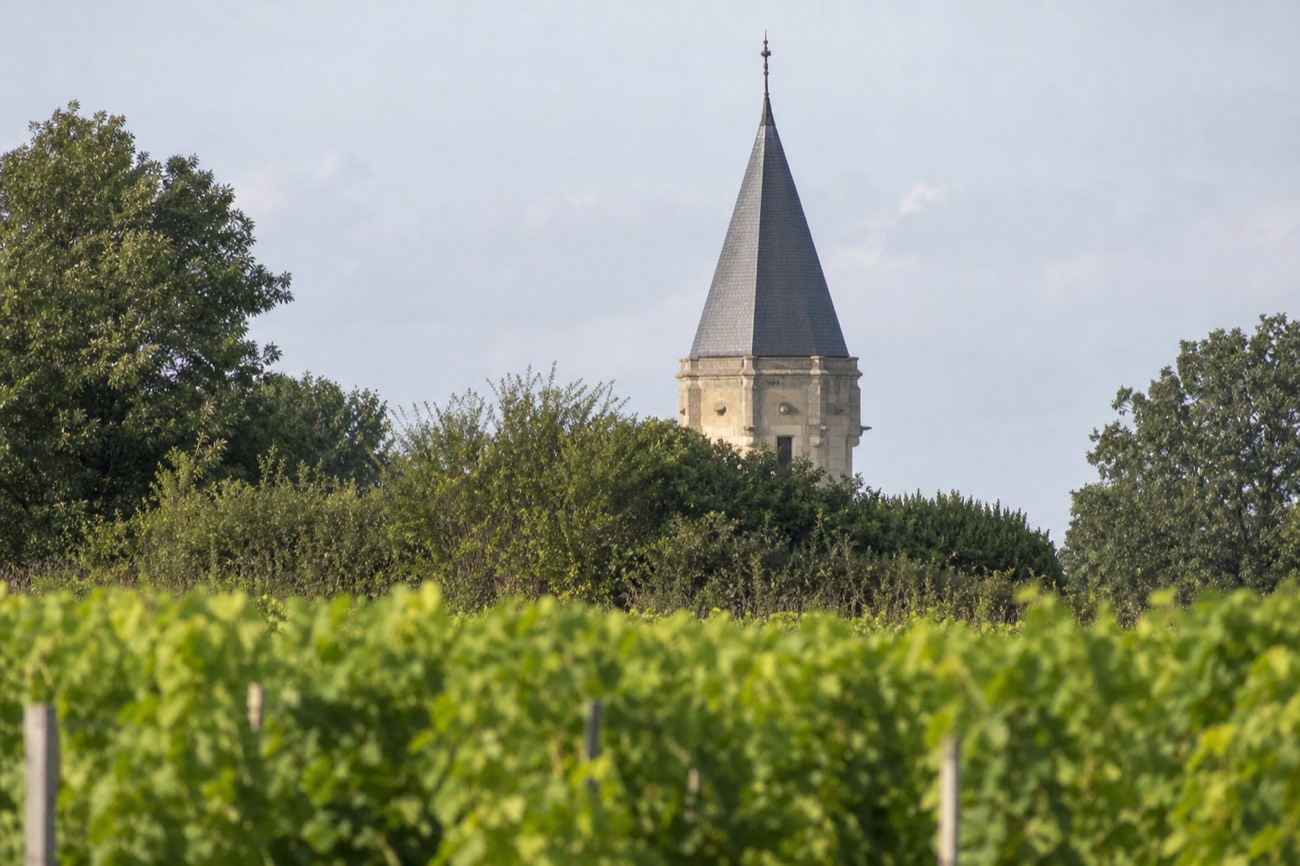
Two real options cover this side. The Médoc or Saint-Émilion half-day château tour is the site's most-booked experience by a wide margin, with and a 4.8 rating, and it is worth flagging clearly: this single tour lets you choose EITHER region at booking, so if you're still undecided after reading this whole article, that flexibility is a legitimate way to defer the choice. Picked for the Médoc option, it runs 4.5 hours, visits one to two châteaux, and includes a guided tasting with a cheese and charcuterie pairing, round-trip transport included, for a date-dependent price.
For a different pace entirely, the private Citroën DS Médoc tour is a private, full-day option in a classic Citroën DS, visiting two to three châteaux across Margaux, Saint-Julien, Pauillac and Saint-Estèphe, with an optional picnic. At a date-dependent price for an 8-hour private day, it's priced for travellers who want a personal pace and a memorable ride, not a shared minivan schedule. Its own listing text notes that tastings at prestigious estates often need booking two to six weeks in advance, which matters if you're set on a specific classified château rather than whichever estate the driver arranges.
A typical guided Médoc day, drawn from the site's own hour-by-hour breakdown of a full tour day, starts around 8:30am with departure from Bordeaux, a first château visit in Margaux by 9:15am, a guided tasting of Cabernet-dominant reds by 10am, then a drive north through Pauillac with a photo stop at Château Latour before a second château visit in Saint-Julien or Pauillac around 11:15am. That structure, formal stops with defined tasting windows, is the Médoc experience in miniature even on the half-day version.
What does a Saint-Émilion-focused tour actually look like?
A Saint-Émilion tour means arriving at or near an actual town, tasting Merlot-based wines at one or two estates, then walking the village itself, its cobbled streets, its underground cellars, and the Monolithic Church, on foot. It's the more physically active and visually varied of the two options, and the only side of the river with a genuine e-bike format.
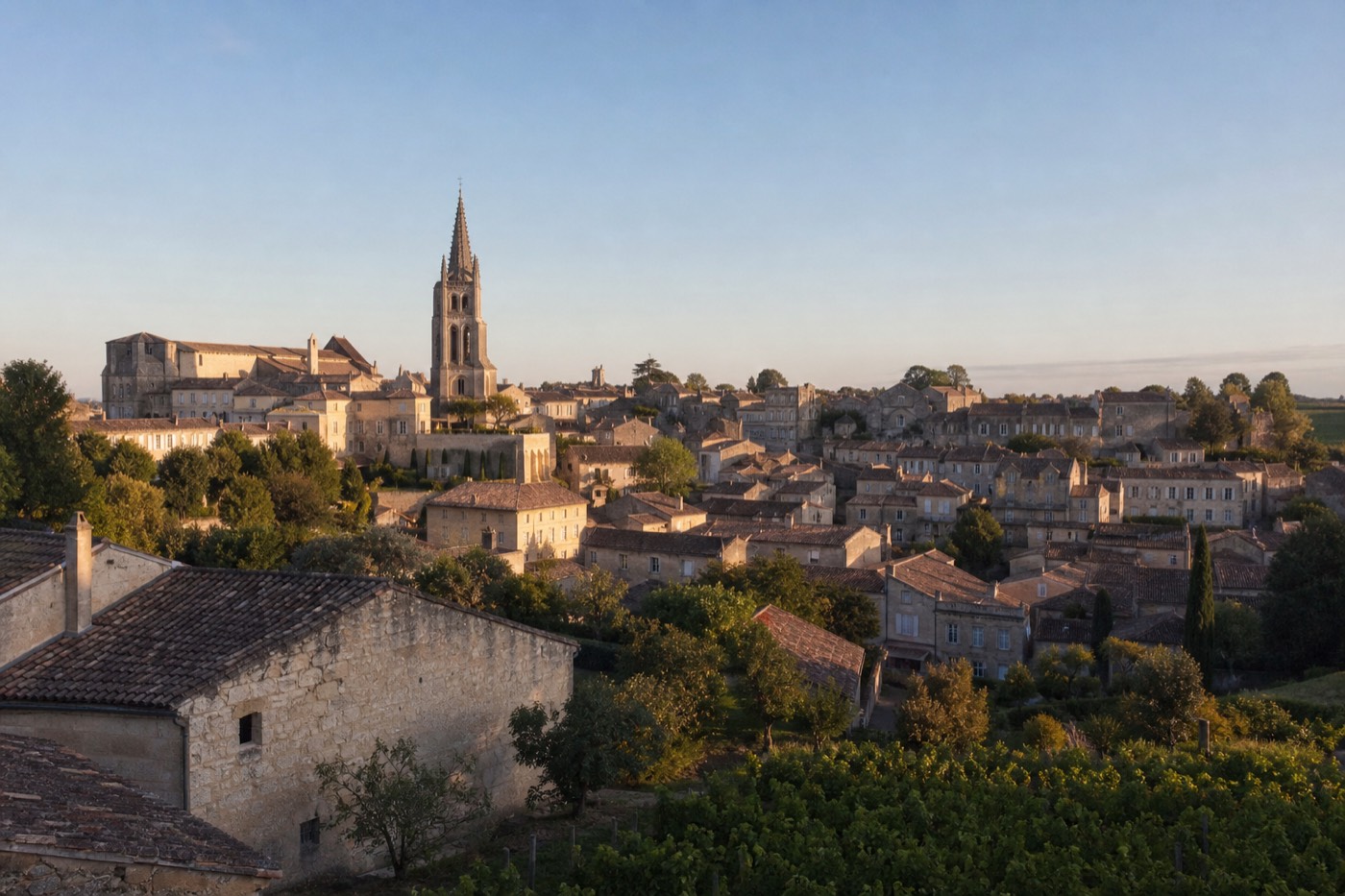
The same flagship half-day tour covers this side too, at the same a date-dependent price and four-hour format, with one to two château stops and a guided tasting finishing in a cheese and charcuterie pairing. But the more distinctive way to see Saint-Émilion is the e-bike tour to Saint-Émilion: a full 8.5-hour day covering the vineyards by electric bike, passing Château Cheval Blanc and Pétrus, with two château visits, a gourmet lunch, and free time to walk the village on your own. At a date-dependent price and a 4.9 rating from, it's priced close to the half-day Médoc option but delivers a full day, an active format, and direct village time. Nobody who wants to actually explore Saint-Émilion on foot rather than just visit a château near it should skip this option.
Both Saint-Émilion options put you inside the Monolithic Church and its underground quarries, one of the only places on either side of the river where the tasting stop and the sightseeing stop are the same walk. If you want the fuller version of that village day, including logistics for going independently, the Saint-Émilion day trip from Bordeaux guide covers it in more depth, and is Saint-Émilion worth visiting answers the shorter version of that question directly.
Which one should you book, by traveller type
First-timers with a single free day usually do best with the flagship half-day tour, picking whichever region matches their interest; wine collectors chasing prestige names lean Médoc; travellers who want scenery and a village to wander lean Saint-Émilion; and active travellers who'd enjoy pedaling through vines should book the e-bike day outright. The table below breaks this down by traveller type rather than by region, since that's usually the more useful lens.
| Traveller type | Recommended pick | Why |
|---|---|---|
| First-timer, one day only | Médoc or Saint-Émilion half-day château tour, either region | Most-booked and highest-rated flagship format, 4.5 hours, round-trip transport, no decision-fatigue since you choose region at booking |
| Wine collector wanting prestige names | Médoc side of the flagship tour, or the private Citroën DS Médoc tour | Left Bank is home to the 1855 Classification names; the private option adds flexibility for estates that need advance notice |
| Wants scenery and a village to wander | Saint-Émilion side of the flagship tour | Compact, walkable medieval town with the Monolithic Church, cobbled streets, and vineyards just outside |
| Active traveller, enjoys cycling | e-bike tour to Saint-Émilion | Full day covering vineyards by electric bike, passes two of the region's most cited estates, includes village free time |
| Special occasion, wants a private day | Private Citroën DS Médoc tour | Private car and guide, flexible pace, classic car adds a memorable element for anniversaries or celebrations |
| Undecided, wants both regions eventually | Book the flagship tour for one region now, add a second day later | The flagship tour only covers one region per booking; a full-day, multi-winery format can cover more ground on a longer visit |
Anyone weighing this decision against how much time they actually have in the city should also check how many days you need in Bordeaux: a single day means picking one side, while two days lets you do both properly.
How the two regions score against each other
Scored on a simple 1-5 scale across the four traits that matter most for this decision, Saint-Émilion edges ahead on scenery and walkability, while the Médoc edges ahead on prestige access; wine style is a matter of taste rather than a clear winner. The chart below is a rough scoring based on what each region actually delivers, not a ranking of which is "better" overall.
Read this as a decision aid, not a scorecard for which region is objectively superior. A Cabernet-leaning collector will rate the Médoc's structured wine style a 5 for their own purposes and someone who wants a town to photograph will rate Saint-Émilion's walkability the same. The scores above reflect what each region physically offers, and your own priorities decide which numbers matter to you.
How do the three tours compare side by side?
The three tours built around this decision differ mainly on price, format, and how much of the region they cover: the flagship tour is the affordable shared option that lets you choose either region, the e-bike tour is the only full-day Saint-Émilion-only format, and the private Citroën DS tour is the priciest and the only Médoc-only private option. Laid out together, the trade-offs are easier to see than reading about each one separately.
| Tour | Price | Duration | Rating (bookings) | Region covered | Format |
|---|---|---|---|---|---|
| Médoc or Saint-Émilion half-day château tour | a date-dependent price | 4.5h | 4.8 (14,550+) | Choice of Médoc or Saint-Émilion at booking | Shared minivan, round-trip transport included |
| e-bike tour to Saint-Émilion | a date-dependent price | 8.5h | 4.9 (1,999+) | Saint-Émilion only | Full-day electric bike, lunch included |
| Private Citroën DS Médoc tour | a date-dependent price | 8h | 4.8 (155+) | Médoc only | Private classic car, optional picnic |
What jumps out is that the e-bike tour and the flagship tour sit close in price despite one being a half-day and the other a full day, because the e-bike format trades a vehicle for pedal power and folds in a full lunch. The private Citroën DS tour costs roughly three times the flagship price, which buys a private guide, a private vehicle, and control over the pace rather than more wine or more château stops necessarily.
Which sub-appellations do you actually visit?
A Médoc-focused tour typically moves through Margaux, Saint-Julien, Pauillac and Saint-Estèphe, the string of appellations that make up the 1855 Classification heartland, while a Saint-Émilion-focused tour stays centered on the Saint-Émilion village and its immediately surrounding vineyard. That's a real structural difference: the Médoc side is a region you drive through, appellation by appellation, while the Saint-Émilion side is anchored to one specific place.
| Region | Sub-appellations you pass through or visit | A name you'll likely hear |
|---|---|---|
| Médoc | Margaux, Saint-Julien, Pauillac, Saint-Estèphe | Château Latour, typically a photo stop rather than an entry, on the Pauillac drive |
| Saint-Émilion | The Saint-Émilion village itself and its bordering vineyard | Château Cheval Blanc and Pétrus, both passed on the e-bike route |
Neither format gets you inside the very top classified names, Lafite, Latour, Margaux, Mouton Rothschild or Pétrus, since those estates require trade connections or advance arrangements the standard tours can't provide on short notice. What you get instead is the drive through their home appellations and, on the e-bike route, a pass-by view of two of the most cited Right Bank names, which is a meaningfully different experience from reading about them.
When do these tours tend to book out?
The flagship half-day tour fills fastest on summer weekends and during harvest season given how high its overall booking volume already runs, the private Citroën DS tour needs two to six weeks of advance notice specifically for tastings at prestigious estates, and July-August is the busiest and most rushed stretch across both regions generally. None of this is unique to one tour, but it affects how far ahead you should book depending on which one you're eyeing.
| Tour | When it tends to book out | Why |
|---|---|---|
| Médoc or Saint-Émilion half-day château tour | Summer weekends, harvest season | Highest booking volume on the site by a wide margin (14,550+) |
| Private Citroën DS Médoc tour | 2-6 weeks ahead, per the tour's own listing | Tastings at prestigious estates need advance arrangement |
| e-bike tour to Saint-Émilion | July-August generally busier and more rushed across the region | Peak tourist season for both banks, not specific to this tour |
What's actually included on each tour?
All three tours include a guided tasting, but they differ on how many château stops you get, whether food is a pairing or a full meal, and whether transport is a shared minivan, a private car, or your own legs on an e-bike. This is often the deciding factor once price and region are settled.
| Tour | Château stops | Food | Transport |
|---|---|---|---|
| Médoc or Saint-Émilion half-day château tour | 1-2 | Cheese and charcuterie pairing | Round-trip minivan transport included |
| e-bike tour to Saint-Émilion | 2 | Full gourmet lunch | Electric bike provided, self-powered between stops |
| Private Citroën DS Médoc tour | 2-3 | Optional picnic | Private classic car with driver/guide |
Is the private Citroën DS tour worth the extra cost over a group tour?
A private tour like the Citroën DS Médoc option runs roughly EUR 300-600+ per person against roughly EUR 150-250 per person for a shared group format, and that premium buys flexibility and privacy rather than more wine, better estates, or a longer route. Whether it's worth it depends entirely on what you value on the day itself.
Private tours suit special occasions, anniversaries, proposals, milestone birthdays, where a classic car and an undivided guide add to the experience itself rather than just the wine. They also make sense for travellers with dietary restrictions or a specific pace they want to keep, since there's no group of strangers to accommodate. Group tours, meanwhile, suit solo travellers and couples who don't mind sharing a minivan with other guests and would rather put the savings toward a second day or a full-day format instead. Neither is the wrong call: the flagship half-day tour, at a date-dependent price and the 3 wineries tour, at a date-dependent price for a full day, both sit comfortably inside the typical group-tour price band, while the a date-dependent price Citroën DS day sits at the lower end of what a genuinely private full day usually costs. For the broader cost-benefit question behind all of this, is a Bordeaux wine tour actually worth it makes the case either way before you commit to a price point.
Does traveling with kids or solo change which region makes more sense?
The region matters less than the tour format here: private tours welcome all ages including young children, while small-group tours often accept kids from around age six, and either region is considered very safe for solo travellers, including solo women, thanks to low crime rates and professional drivers and guides. One caveat applies on both sides of the river: tasting rooms may set a minimum age, typically 12 to 18, for anyone actually sampling the wine, so younger kids can join the château visit itself but won't be pouring a glass.
For a family with younger children, the private Citroën DS Médoc tour removes the age question entirely since it's a private booking built around your group. For solo travellers or couples on either bank, the shared flagship tour or the e-bike day both work fine: professional guides run the day, and neither region carries meaningfully different safety considerations from the other.
Can you do both regions in one visit?
Not on a single half-day tour, since the flagship a date-dependent price tour requires choosing one region at booking, but the full-day guided format does cross both banks in a single day, and a two-day visit lets you book one region per day cleanly. If crossing both banks in one day matters more to you than spending extra time in either, that changes which tour makes sense.
The site's own full guided-day itinerary shows what a cross-region day looks like: departure from Bordeaux into the Médoc for a morning château visit and Cabernet tasting, a drive north through Pauillac, a second Médoc château around midday, a gourmet picnic lunch in the vines, then a return crossing the Gironde estuary to arrive in Saint-Émilion by early afternoon for a third château visit, the Monolithic Church, underground quarries, and a final glass at a négociant in the village before heading back to Bordeaux around 5:30pm. That's a genuinely full day, and it's the shape the 3 wineries tour with a gourmet picnic follows, covering three wineries across different sub-regions rather than committing to just one bank.
If a single day feels rushed either way, splitting it across two days, one region per day, is the cleaner option most repeat visitors end up choosing. It also means you're not compressing a full-day format into an afternoon after a morning flight, which several guests on shorter itineraries end up doing anyway.
The bottom line
If you can only book one tour and want the simplest path, book the flagship half-day tour and pick the region that matches what you actually want: Médoc for prestige château names and structured Cabernet, Saint-Émilion for a walkable medieval village and Merlot-based wines. If you have a full day to spend and enjoy cycling, the e-bike tour to Saint-Émilion is the most distinctive single format on the site. If you want a private, flexible pace with a classic car, the private Citroën DS Médoc tour is worth the higher price. And if you're still not sure, book a Bordeaux wine tour and let the region choice wait until checkout, since the flagship tour supports exactly that.