Best Bordeaux Wineries and Châteaux to Visit
Most people searching for Bordeaux's best wineries picture Château Margaux with the gates thrown open. The reality is a two-tier system, and knowing which tier you're in decides whether your trip works.
How accessible is each tier, really
Scored 1 (essentially closed to individual visitors) to 5 (bookable within days), based on realistic access without trade connections.
What does "château" actually mean in Bordeaux?
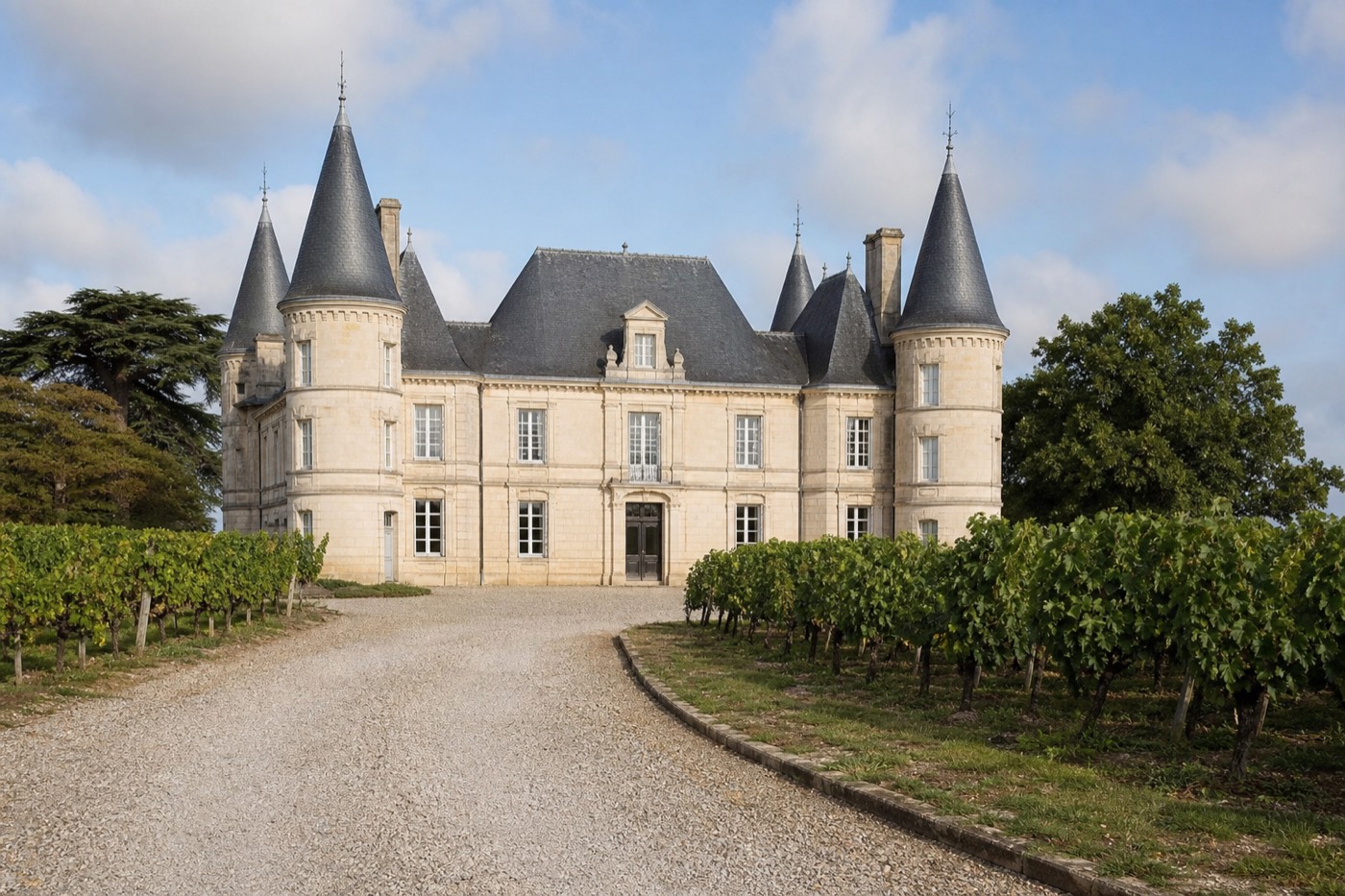
In Bordeaux, château just means a wine estate: the winemaking property, its vineyard and its cellar, regardless of whether there's an actual castle on site. Some are genuine 18th-century manor houses with turrets. Many others are a working barn, a modern tasting room and a gravel courtyard. The word is a legal and commercial label on a wine bottle, not an architectural promise, and first-time visitors who expect a fairy-tale building at every stop are often surprised by how functional the real ones look.
Use the options below to weigh which kind of château visit do you want. Start with the booking choice, or refine the shortlist after the guide.
Booking choice: Nine hours: Graves/Pessac-Léognan, then Saint-Émilion/Pomerol; three winery visits, tastings and a picnic with minivan transport. View Three-Château Picnic Day
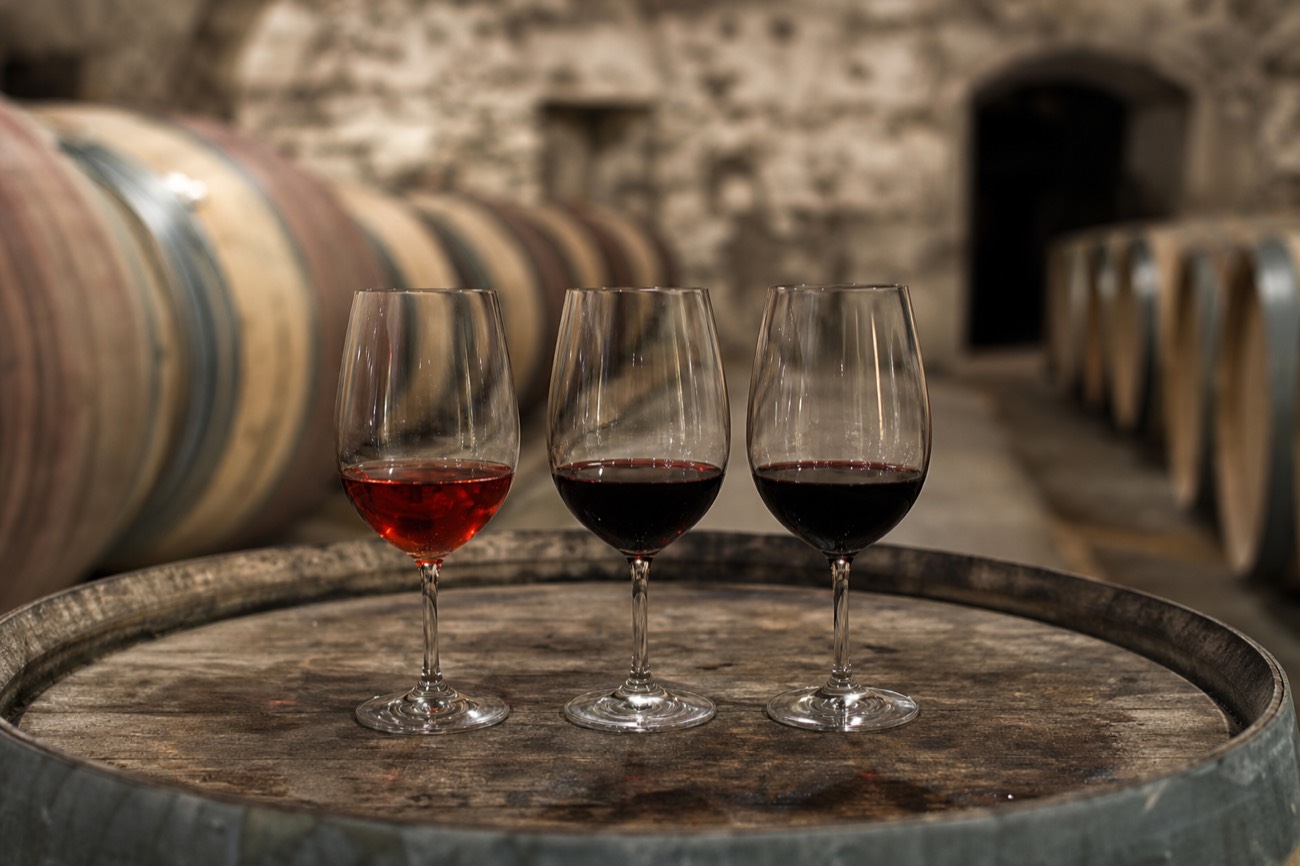
That distinction matters because it resets expectations before you book anything. A "château tour" is a winery tour. What varies enormously is scale: a five-generation family operation working a few hectares looks nothing like a classified growth with a production hall the size of an aircraft hangar. Both call themselves château. The guide to Bordeaux's wine regions covers how the appellation itself shapes what's in the glass; this page is about which doors actually open to a visitor and what you get on the other side of each one.
It also explains why a single sub-region can contain both a grand estate and a tiny family plot within a few hundred meters of each other, something that confuses visitors who assume geography alone signals prestige. Two neighboring Médoc properties can be worlds apart in scale, visitor infrastructure and price while sharing the same soil and roughly the same grape blend. Knowing that going in means you stop judging a château by its gate or its name and start judging it by whether it's actually set up to receive you, which is the entire organizing idea behind this guide.
What is the 1855 Classification, and why doesn't it decide where you should go?
The 1855 Classification ranked Médoc estates into five tiers of "growths" for the Paris Universal Exhibition, using the wine prices of that era as the yardstick, and the list has barely changed in 170 years. It's a snapshot of mid-19th-century commercial reputation frozen in place, not a living scorecard of who makes the best wine today. Treating it as a modern quality ranking is the single most common mistake visitors make when planning a Bordeaux trip.
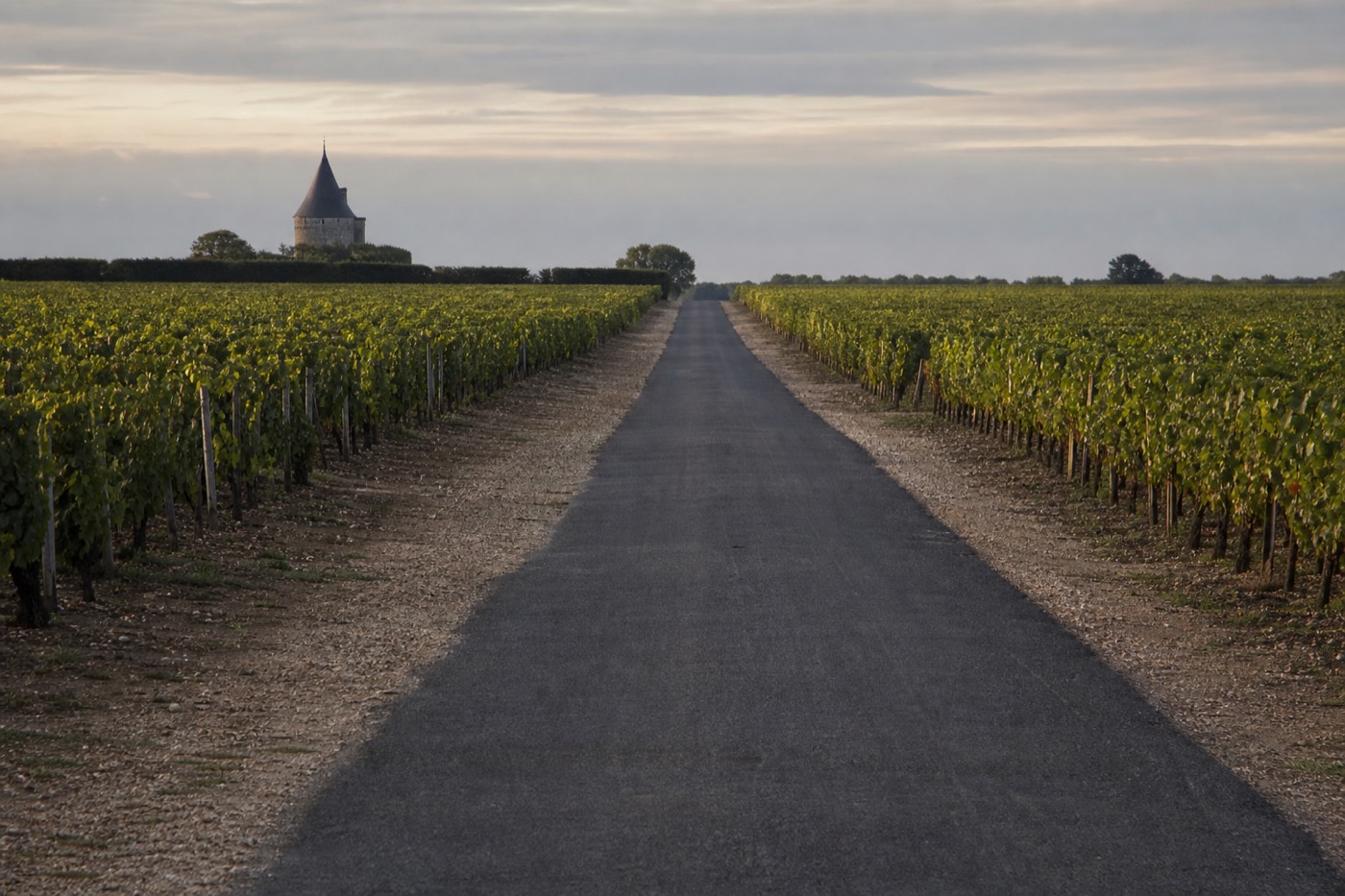
The five original growths (First through Fifth) cover a specific set of Médoc estates. Wines outside that list, including all of Saint-Émilion and Pomerol on the Right Bank, were never part of it. Saint-Émilion runs its own separate, periodically revised classification; Pomerol has none at all and relies purely on reputation. So a "non-classified" Right Bank estate can easily outprice and outrank a lower-tier 1855 growth on the secondary wine market. Read the classification as history and prestige, not as a shopping list, and see the 1855 Bordeaux Wine Official Classification for the full original ranking.
The practical fallout: the five First Growths (Lafite Rothschild, Latour, Margaux, Mouton Rothschild, and Right Bank equivalent Château Cheval Blanc's peer Pétrus) are essentially closed to individual tourists. No walk-ins, and most require trade connections or advance notice measured in months, not days. A tour bus does not pull up to Château Margaux's gates and let people in. What tours can offer instead is a photo stop at the gates, a visit to a nearby lower-classified or unclassified château making excellent wine at a fraction of the access difficulty, or both in the same afternoon.
It's also worth remembering the classification only ever covered the Médoc. The Right Bank's Saint-Émilion runs its own separate ranking, periodically revised rather than locked to a single 19th-century snapshot, and Pomerol has never had any classification system at all despite producing some of the region's most expensive bottles. So a visitor chasing "classified" wine on the Right Bank is chasing a different, more frequently updated system than the one that made the Médoc famous, and that's a genuinely useful thing to know before assuming the two sides of the river work the same way.
Which famous names can you actually visit, and which are effectively closed?
A small number of famous names occasionally accept pre-booked groups months in advance; the great majority of prestige estates are functionally closed to individual travellers, and the wineries built for visitors are a different, excellent, more accessible tier. Understanding this split before you book saves real disappointment.
| Access tier | Examples of the type | How you actually get in | Realistic for a first-time visitor? |
|---|---|---|---|
| First Growths / icon estates | Lafite, Latour, Margaux, Mouton Rothschild, Pétrus | Trade connections, wine club membership, or requests submitted months ahead; often refused entirely | No, in almost all cases |
| Other classified growths | Various 2nd-5th growth Médoc estates, Saint-Émilion Grand Cru Classé properties | Advance appointment (weeks), sometimes bookable via a specialist tour operator | Rare, mostly via a private tour built around it |
| Visitor-built classified estates | Estates with dedicated welcome centres and set tasting programs | Direct booking or through a guided tour, often same-week availability | Yes, this is where most guided tours actually take you |
| Family and independent estates | Small producers, organic growers, multi-generation family properties | Direct booking, guided small-group tour, sometimes walk-in | Yes, and often the warmest welcome of the four tiers |
This is exactly why the region's featured tour is built the way it is. The Médoc or Saint-Émilion half-day château tour, 4.8 rating) doesn't promise a First Growth cellar door. It gets you into one or two real working estates that are set up to receive groups, with a guided tasting and a cheese and charcuterie pairing built in, which is a far more realistic and honestly more enjoyable way to spend a half day than chasing an appointment that was never going to happen.
How do prestige châteaux compare to accessible family estates?
Prestige châteaux sell scale, pedigree and often a photo-stop-only experience; accessible family estates sell personal attention, hands-on explanation and a tasting you can actually book this week. Neither is objectively "better," they answer different questions about what you want from a visit.
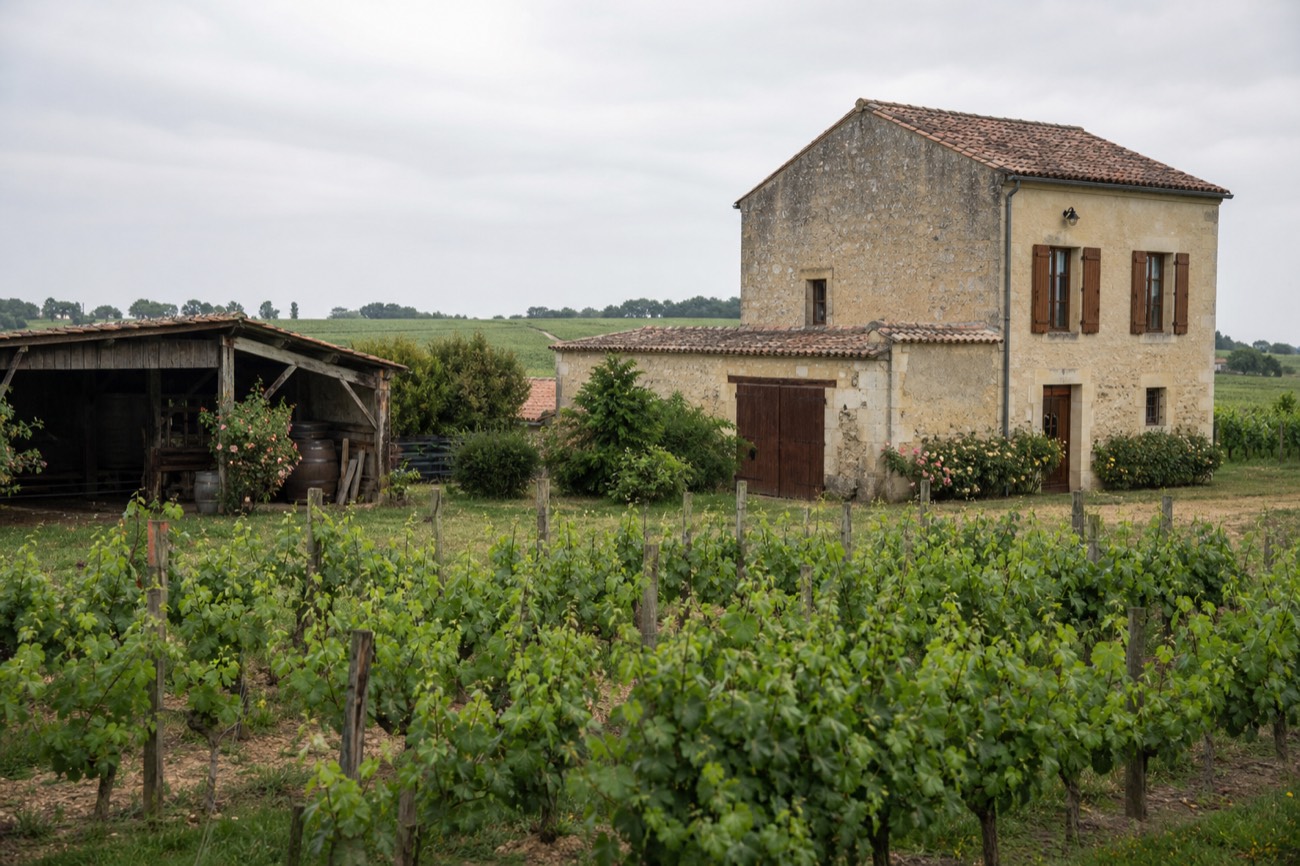
The organic family vineyard visit at Pestoury in Yvrac is the clearest example of a more personal estate experience. A family member explains the growing and cellar work, then guides a tasting across the estate's styles. Allow 1.5 hours at the vineyard and arrange your own transport. Check the date-specific quote and available wines rather than relying on a fixed price or tasting count.
The verified Margaux half day includes two winery visits and tastings, plus an exterior photo stop at Château Margaux. It offers a classified-estate visit without promising admission to the famous First Growth itself. Allow four hours from the meeting point in Bordeaux and confirm which estates will be visited on your date.
| What you want | Best-suited tier | Tour that delivers it |
|---|---|---|
| To see the famous Médoc names, even from outside the gate | Prestige photo-stop + accessible classified tasting | Margaux discovery tour |
| A relaxed, personal, family-run experience | Family/independent estate | Organic family vineyard tour |
| Flexibility between Left Bank structure and Right Bank Merlot in one trip | Visitor-built classified estates, choice of region | Médoc or Saint-Émilion half-day château tour |
How do you actually get access: guided tour vs. booking independently?
A guided tour is the reliable route into Bordeaux's wineries for almost every visitor; independent booking works only if you already know which estates take walk-ins or you're willing to plan appointments weeks ahead yourself. The two paths suit very different trip styles.
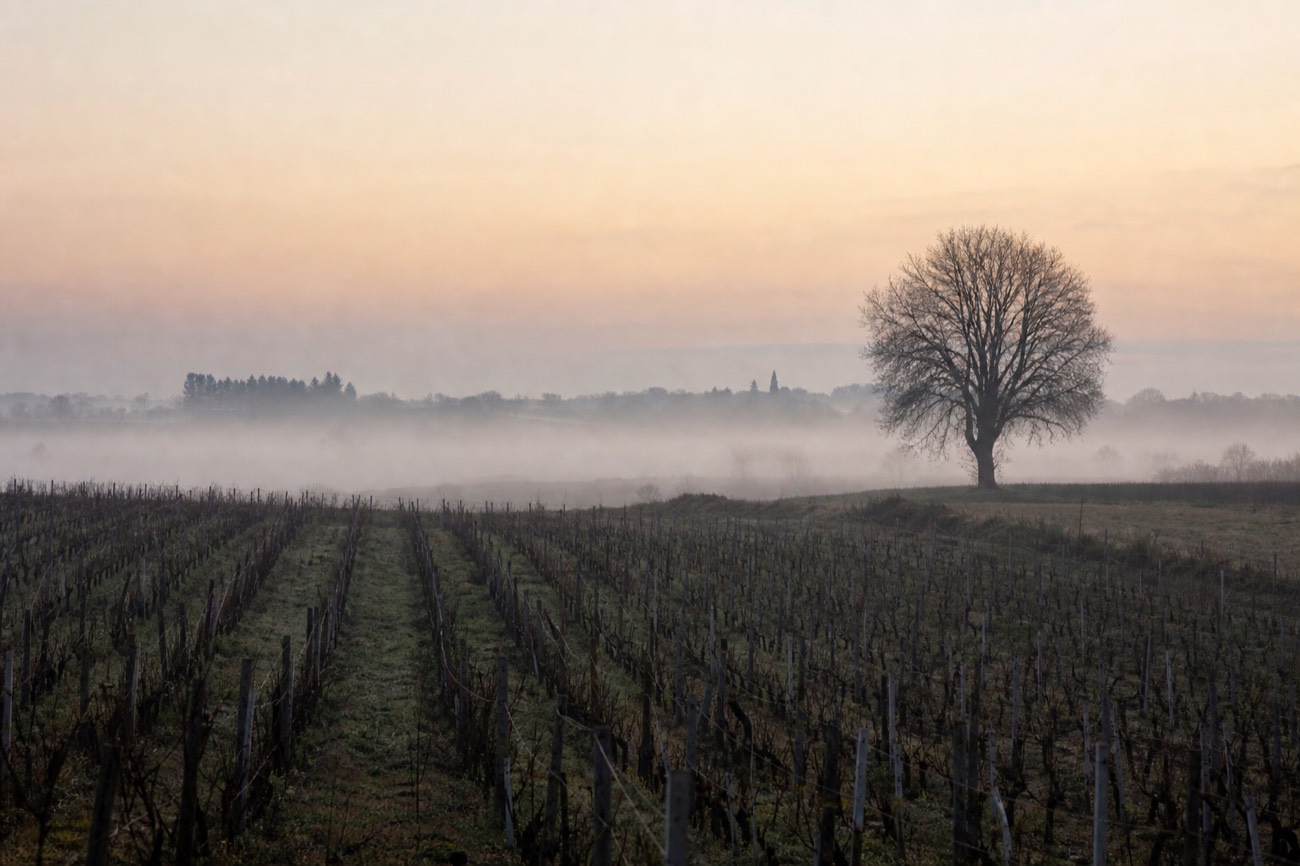
Most classified estates, even the accessible visitor-built ones, run on appointment systems, and many are 30-60 minutes outside the city with limited or no public transport. A guided tour solves three problems at once: it has existing relationships with estates that get a group in the door, it handles the drive so nobody has to find their way down unfamiliar rural roads after a tasting, and it bundles multiple estates or regions into a single planned day. That's the whole logic behind the site's flagship pick, the Médoc or Saint-Émilion half-day château tour mentioned above, which lets you choose Left Bank structure or Right Bank Merlot without doing any of the appointment-chasing yourself.
Independent booking can still make sense if you're renting a car anyway and want full control of pace. Self-drive rental runs roughly EUR 40-70 a day, and most independent château tastings are free to about EUR 20 per person, but that price only applies to estates that accept individual bookings; the major classified growths that do reply to individual requests still often want weeks or months of notice, and roads are good but parking is tight at some châteaux. For most first-time visitors without a car and without a French wine-trade contact, the guided route is simply the one that works. The guide on getting from Paris to Bordeaux covers the wider transport picture if a car isn't part of your plan, and worth renting a car for Bordeaux wineries weighs the self-drive option against a guided day in more depth.
A useful middle path for travellers who still want a car-owning feel of exclusivity: the private Citroën DS Médoc tour, a private half or full day in a classic car visiting 2-3 châteaux across Margaux, Saint-Julien, Pauillac and Saint-Estèphe, with an optional picnic. Its own listing notes that booking tastings at prestigious estates needs 2-6 weeks' advance notice, which is a rare piece of concrete honesty about how far ahead this world actually runs.
Should you book a private tour or join a small group?
A private tour costs roughly double a small-group tour but buys real flexibility on pace, itinerary and dietary needs; a small-group tour costs less and suits solo travellers, couples and first-timers who don't need to customize the day. Both routes get you into the same tier of visitor-built and family estates described above, the difference is entirely in how the day is shaped around you.
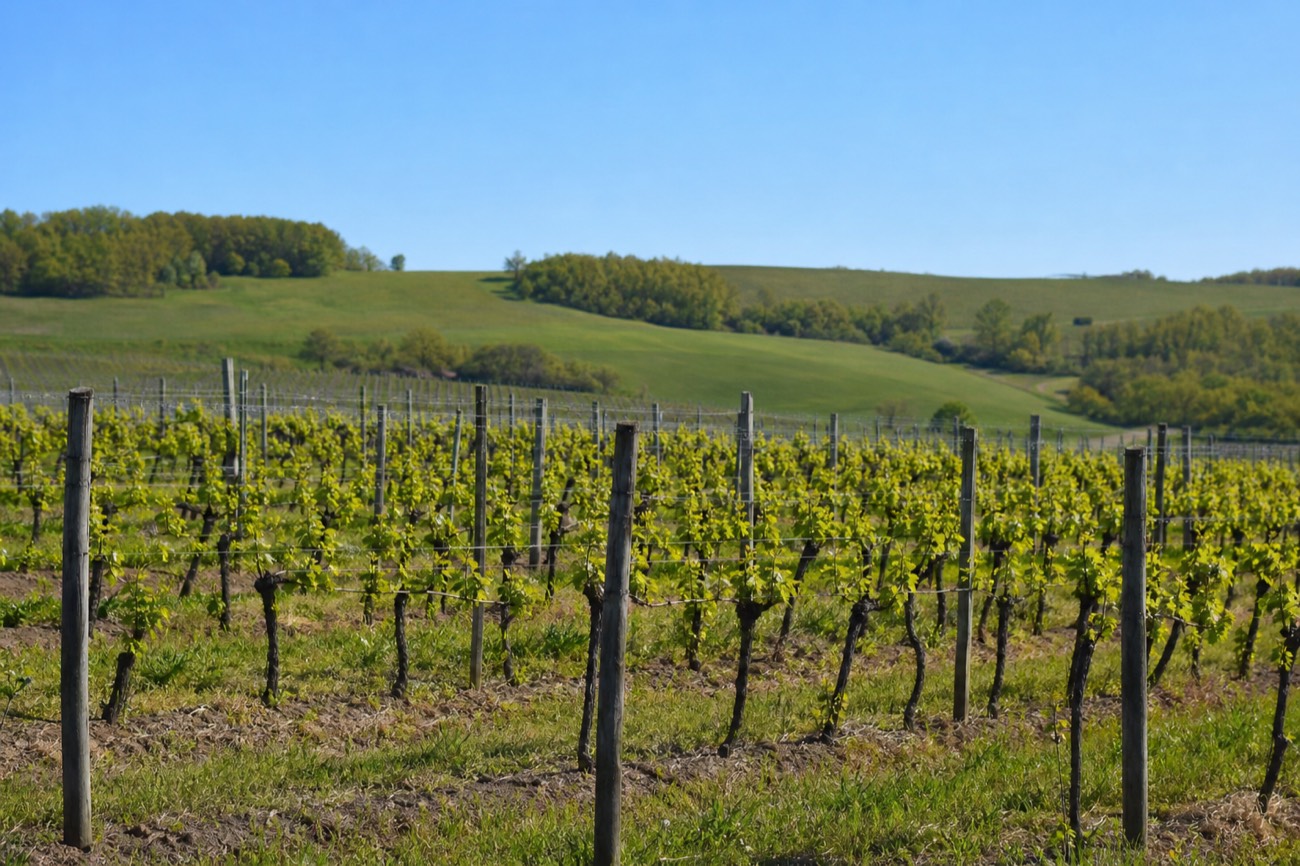
Private tours typically run roughly EUR 300-600 per person against EUR 150-250 per person for a small group, and that premium buys the ability to swap out a stop, linger longer at an estate you like, or build the day around dietary restrictions and a specific occasion like an anniversary or a proposal. Group tours, by contrast, run on a fixed itinerary and schedule, which keeps the price down and works well for anyone travelling alone. Bordeaux and its wine country carry low crime rates against tourists, and both formats use professional drivers and guides, so solo travellers, including solo women, are generally considered safe taking either option.
Travelling with kids changes the calculation slightly. Private tours generally welcome children of any age since the itinerary is yours to control. Small-group tours often accept kids from around age 6, but individual tasting rooms can set their own minimum age for alcohol service, typically somewhere between 12 and 18, so younger children can usually still join the château or vineyard visit itself even if they can't taste. Worth asking about directly when booking if travelling with a mixed-age family.
| Private tour | Small-group tour | |
|---|---|---|
| Typical cost per person | Roughly EUR 300-600 | Roughly EUR 150-250 |
| Itinerary | Customizable, can swap stops or linger | Fixed, set in advance |
| Best suited to | Special occasions, dietary needs, larger budgets | Solo travellers, couples, first-timers, budget-conscious groups |
| Example on this site | Private Citroën DS Médoc tour | Médoc or Saint-Émilion half-day château tour |
What does each of the three linked tours actually get you into?
These three tours cover three different access strategies: pick-your-region flexibility, a Left Bank prestige-adjacent route, and a small family estate with no coach involved. Reading them side by side makes the choice concrete rather than abstract.
| Tour | Access you actually get | Price | Duration | Rating / bookings |
|---|---|---|---|---|
| Médoc or Saint-Émilion half-day château tour | Choice of Left Bank Médoc or Right Bank Saint-Émilion, 1-2 visitor-built châteaux, guided tasting, cheese/charcuterie pairing, round-trip transport | a date-dependent price | 4.5h | 4.8, |
| Margaux discovery tour | 5th Grand Cru Classé château visit and tasting, plus a photo stop at Château Margaux's gates (private estate, no entry) | a date-dependent price | 4h | 4.7, |
| Organic family vineyard tour | Five-generation family estate in Yvrac, personally guided, organic practices, full tasting range: red, white, rosé, sparkling | a date-dependent price | 1.5h | 5.0, |
None of these three requires trade connections or months of lead time, which is exactly why they're the ones worth booking rather than emailing a First Growth estate and waiting on a reply that may never come.
How accessible is each access tier, in practice?
The gap between "famous name" and "bookable this week" is wider than most people expect before they start planning. The chart near the top of this page scores each tier on realistic accessibility for an individual traveller booking without trade connections, from 1 (essentially closed) to 5 (bookable same-week, no special access needed). Here's what that scoring looks like broken down by price and lead time.
| Access tier | Typical price band | Lead time needed |
|---|---|---|
| First Growths / icon estates | Rarely priced for individual visits; trade access only | Months, or never for most individuals |
| Other classified growths | Roughly free to EUR 20+/person where accepted | 2-6 weeks |
| Visitor-built classified estates | a date-dependent price as part of a guided tour, or free-EUR 20 independently | Days, via a guided tour |
| Family and independent estates | a date-dependent price on a guided small-group tour | Days, often same-week |
Which wineries suit what you actually want from the day?
The right winery choice depends on what's in the glass you want to end up with: structured, age-worthy reds point toward Médoc's classified estates, approachable Merlot points toward Saint-Émilion and Pomerol, sweet dessert wine points toward Sauternes, and family intimacy points toward the small independent estates. Use the wine style you're chasing, not the fame of the name, to choose, and let the tour format follow from that decision rather than the other way around.
Structure and age-worthy reds mean Médoc. Its Cabernet Sauvignon-dominant gravel-soil estates produce the tannic, cassis-and-cedar wines built to sit in a cellar for years, and they're reachable via the Margaux discovery tour mentioned earlier or the Médoc side of the flagship half-day tour. Anyone who already knows they like a firm, structured red, or wants to understand what the 1855 Classification was actually ranking, should start here.
Approachable, rounder Merlot means Saint-Émilion and Pomerol. Their clay and limestone soils produce softer, plum-forward wines that ask less of a first-time taster, and they're reachable via the Saint-Émilion side of the flagship tour or the full-day e-bike tour to Saint-Émilion, which passes Château Cheval Blanc and Pétrus (from outside, both remain effectively closed to visitors) on the way to two included château stops. This is usually the friendlier introduction for someone who isn't sure yet what style they prefer.
The standard Médoc or Saint-Émilion half day does not cover Sauternes. A private Graves–Sauternes 2CV route and a local Sauternes château outing are now included in the choices below. Check the starting point: the local Sauternes outing does not establish a transfer from Bordeaux.
Family intimacy and a personal welcome mean the smaller independent estates: the organic family vineyard tour in Yvrac, or the picnic-lunch format on the 3 wineries tour with a gourmet picnic, which spreads a full day across estates in different sub-regions rather than concentrating on one. Both suit travellers who care more about the person pouring the wine than the name on the label.
| What you're chasing | Region | Dominant grape / style | Where to book it |
|---|---|---|---|
| Structure, tannin, ageability | Médoc | Cabernet Sauvignon, gravel soil | Margaux discovery tour |
| Approachable, rounder red | Saint-Émilion / Pomerol | Merlot, clay-limestone soil | e-bike tour to Saint-Émilion |
| Sweet dessert wine | Sauternes | Botrytis-affected Sémillon/Sauvignon Blanc | Not currently a dedicated tour, check live listings |
| Personal, family-run welcome | Yvrac (near Bordeaux) | Full range: red, white, rosé, sparkling | Organic family vineyard tour |
The Wikipedia overview of Bordeaux wine is a useful independent primer on how these styles map to the region's geography if you want the full picture before you book.
What does a full day of château-hopping actually look like?
A typical guided full day moves through two regions and three châteaux, timed around a lunch break, rather than trying to cram in every famous name. Knowing the rhythm in advance helps set expectations for pace.
| Time | Stop |
|---|---|
| 8:30am | Depart Bordeaux by minivan into the Médoc |
| 9:15am | First château visit in Margaux, cellar tour |
| 10:00am | Guided tasting of Cabernet Sauvignon-dominant reds |
| 10:45am | Drive north through Pauillac, photo stop at Château Latour |
| 11:15am | Second château visit in Saint-Julien or Pauillac |
| 12:00pm | Gourmet picnic lunch among the vines |
| 1:30pm | Return drive, crossing the Gironde estuary |
| 2:30pm | Arrive Saint-Émilion village |
| 3:00pm | Third château visit, Merlot Right Bank tasting |
| 4:00pm | The Monolithic Church and underground quarries |
| 4:30pm | Final glass at a négociant in the village |
| 5:30pm | Return to Bordeaux city |
Most standard tours pour 6-12 wines across 3-5 wineries over the course of a visit, mixing reds and whites, and many include a rosé or a Crémant de Bordeaux sparkling somewhere in the lineup. If you're deciding whether that pace suits your trip length at all, the guide on what to expect on a Bordeaux wine tasting tour walks through the logistics in more detail, and the guide to the best time of year for a Bordeaux wine tour covers how harvest season and shoulder months change what's available at each estate.
How far ahead should you book, and does the season matter?
Book the flagship half-day tour and the full-day picnic tour further ahead if your trip falls in summer or harvest season; both fill up during those windows, while shoulder-season dates generally stay open closer to departure. Timing your booking is as much a part of planning as picking the winery itself.
The site's featured tour, the Médoc or Saint-Émilion half-day château tour, fills on summer weekends and again during harvest season, when both demand and the estates' own visiting hours get busier. The full-day 3 wineries tour with a gourmet picnic sees its own squeeze in September and October, exactly the stretch when harvest activity makes the vineyards most photogenic and most in demand at the same time. If you already know your travel dates fall in July, August, or the harvest weeks of September and early October, booking earlier rather than later is worth it, particularly for the picnic-lunch format, since lunch seating and vehicle capacity are naturally limited.
The private Citroën DS Médoc tour runs on its own separate clock entirely: its own listing calls for 2-6 weeks' notice specifically to secure tastings at prestigious estates, regardless of season, since that lead time is about the estate's appointment book rather than the tour's own availability. The organic family vineyard tour, by contrast, being smaller-scale and independent, tends to have more flexible short-notice availability, though as with any small operation it's worth checking the live listing rather than assuming a slot is guaranteed.
If you're still weighing whether a guided château day is the right way to spend a day of your trip at all, is a Bordeaux wine tour actually worth it lays out the honest case for and against before you book. Ready to lock in a date? Book a Bordeaux wine tour and choose the access tier that matches what you actually want to taste.