Bordeaux Wine Regions Explained: Médoc, Saint-Émilion, Pomerol, Graves, Sauternes
Every Bordeaux wine region traces back to one river and the soil it left behind. Understand the estuary and the rest of the map makes sense.
Drive time from Bordeaux city, region by region
Approximate one-way drive times from Bordeaux city centre; Graves/Pessac-Léognan is the closest region, Sauternes the farthest.
Why does the Gironde estuary split Bordeaux into two wine worlds?
The Gironde estuary runs like a spine through the Bordeaux region, and the soil deposited on its west bank versus its east bank is different enough that it produces two genuinely different styles of wine, known simply as the Left Bank and the Right Bank. This isn't marketing language, it's geology: gravel on one side, clay and limestone on the other, and the grape varieties that thrive best in each.
Use the options below to weigh which Bordeaux region fits your trip. Start with the booking choice, or refine the shortlist after the guide.
Booking choice: Choose Médoc or Saint-Émilion when booking. One château, a guided tasting and French appetizers, with return minivan transport from Bordeaux. View Half-Day Château Tour
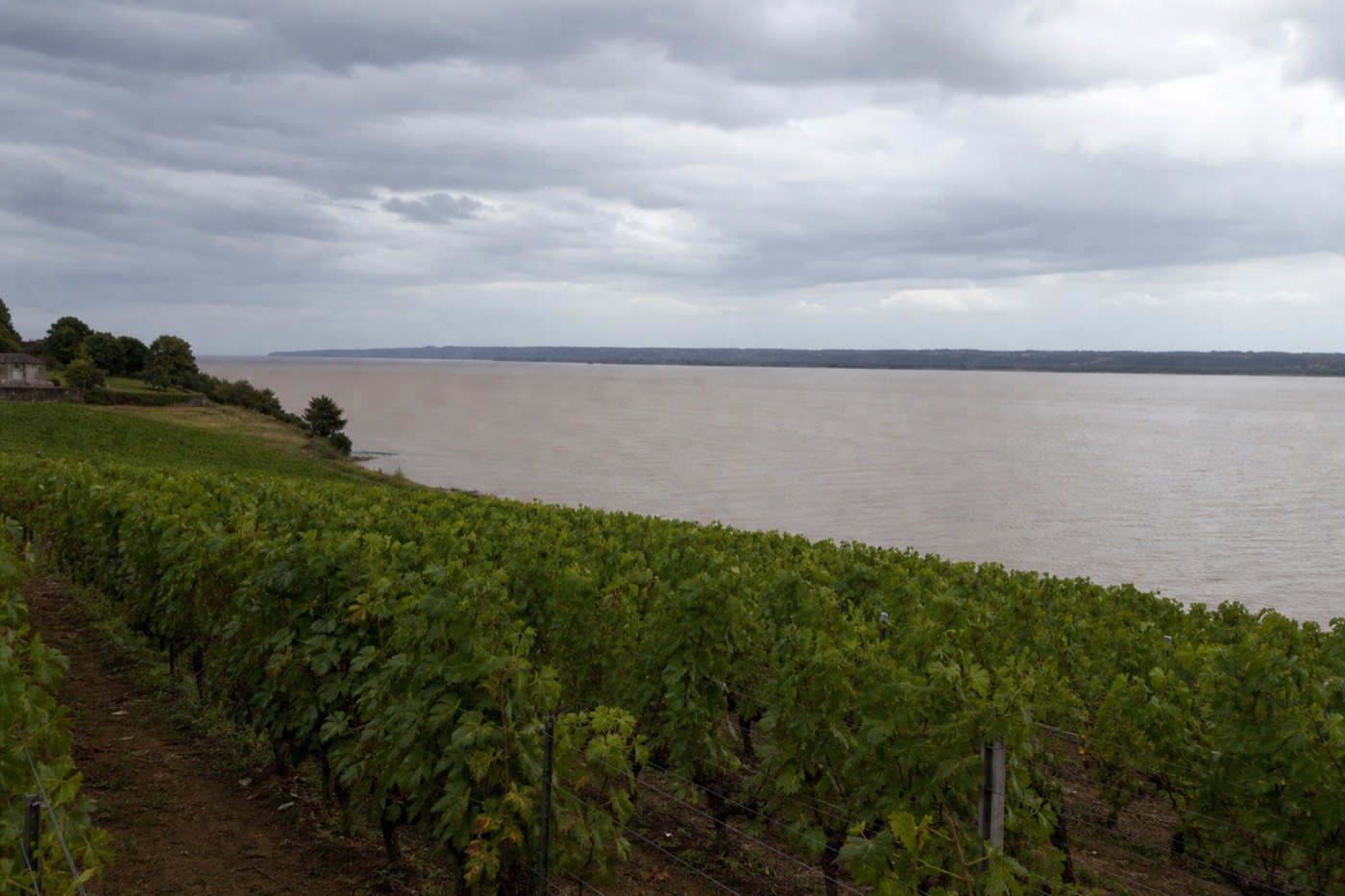
The Left Bank sits west of the Gironde and covers the Médoc, Graves and Sauternes appellations. Its soils are gravel-heavy, well-drained and relatively poor in nutrients, conditions that stress Cabernet Sauvignon vines just enough to concentrate flavor and build thick-skinned, tannic, age-worthy grapes. The Right Bank sits east of the river and covers Saint-Émilion and Pomerol. Its clay and limestone soils hold more moisture and suit Merlot, which ripens earlier and produces rounder, softer, more immediately approachable wine. Everything else in this guide, the communes, the grape blends, the taste profiles, flows from that one split. See the Gironde estuary for the wider geography.
Practically, all of these regions sit 30-60 minutes' drive from Bordeaux city, which is why nearly every tour on this site is built as a day trip or half-day loop rather than requiring an overnight stay. A full-day itinerary often crosses the Gironde estuary itself: the 3 wineries tour with gourmet picnic lunch is the site's typical guided day, departing the city into the Médoc in the morning, working north through Pauillac, then driving back south in the early afternoon, crossing the river, and finishing in Saint-Émilion by mid-afternoon. That single river crossing, done in a minivan seat with a full stomach after a picnic lunch, is as good an illustration of the Left Bank/Right Bank split as any map, and it's a natural moment to notice how different the two sides feel even before the wine changes. The guide to the best Bordeaux wineries and châteaux to visit covers which individual estates within these regions you can realistically get into.
Why does Cabernet Sauvignon dominate one side and Merlot the other?
Cabernet Sauvignon needs more warmth and a longer growing season to ripen fully, so it does best in the Left Bank's fast-draining gravel, which warms quickly and stresses the vine into concentrating flavor; Merlot ripens earlier and prefers the Right Bank's cooler, moisture-holding clay and limestone, where Cabernet would often struggle to fully mature. The grape didn't choose the bank, the soil and drainage chose the grape.
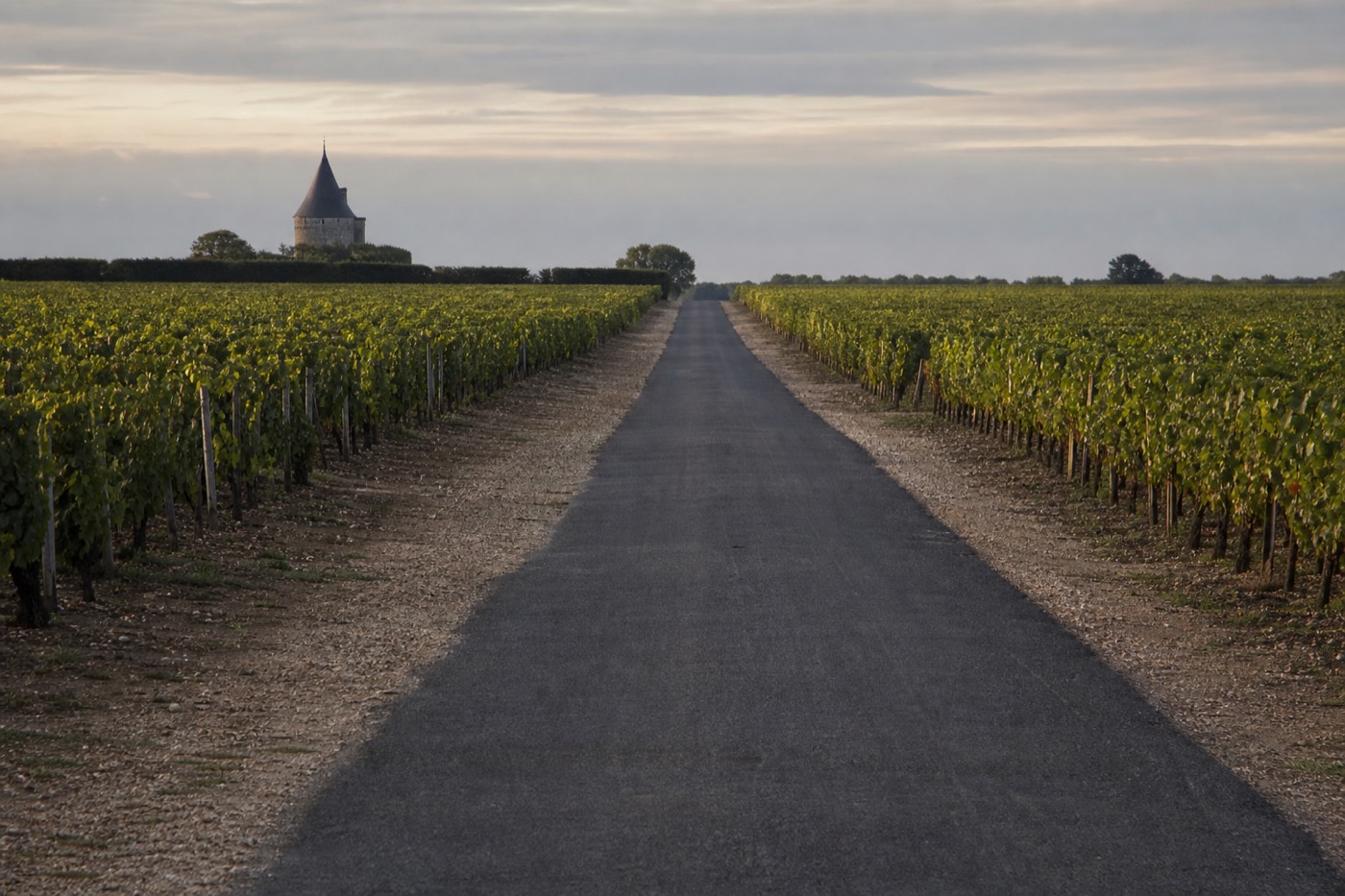
Gravel is the key to the Left Bank. It drains fast, stores daytime heat and releases it back overnight, and offers the vine relatively little in the way of nutrients or water. A vine grown in that kind of stress puts less energy into leaf growth and more into a smaller crop of thicker-skinned, more concentrated grapes, exactly the profile Cabernet Sauvignon needs to fully ripen its notoriously firm tannins. Push Cabernet Sauvignon onto cooler, wetter ground and it often ends up green and underripe, with harsh, unpleasant tannin rather than the structured kind that ages well.
Clay and limestone are the key to the Right Bank. Both hold moisture and stay cooler than gravel, conditions Merlot handles comfortably since it ripens earlier in the season and doesn't need the same accumulated heat. Planted on the Right Bank's cooler ground, Merlot reaches full ripeness reliably and produces the softer, rounder, more immediately drinkable wine the region is known for. This is also why the two sides rarely swap grapes in any serious way: it isn't tradition alone keeping Cabernet Sauvignon out of Saint-Émilion, it's that the ground itself makes it a harder grape to get right there.
| Cabernet Sauvignon (Left Bank) | Merlot (Right Bank) | |
|---|---|---|
| Ripening | Later, needs more accumulated warmth | Earlier, tolerates a cooler site |
| Preferred soil | Gravel, fast-draining, low nutrients | Clay and limestone, moisture-retentive |
| Skin and tannin | Thicker skin, firmer tannin | Thinner skin, softer tannin |
| Resulting wine style | Structured, age-worthy | Rounder, approachable sooner |
What is the Médoc, and why does it dominate Bordeaux's reputation?
The Médoc is the Left Bank peninsula north of Bordeaux city, home to almost all of the 1855 Classification's most famous names, built on gravel soils that favor structured, Cabernet Sauvignon-dominant reds meant to age for decades. It's the region most people picture when they imagine "Bordeaux wine country," and for good reason: this is where the classification system was born.
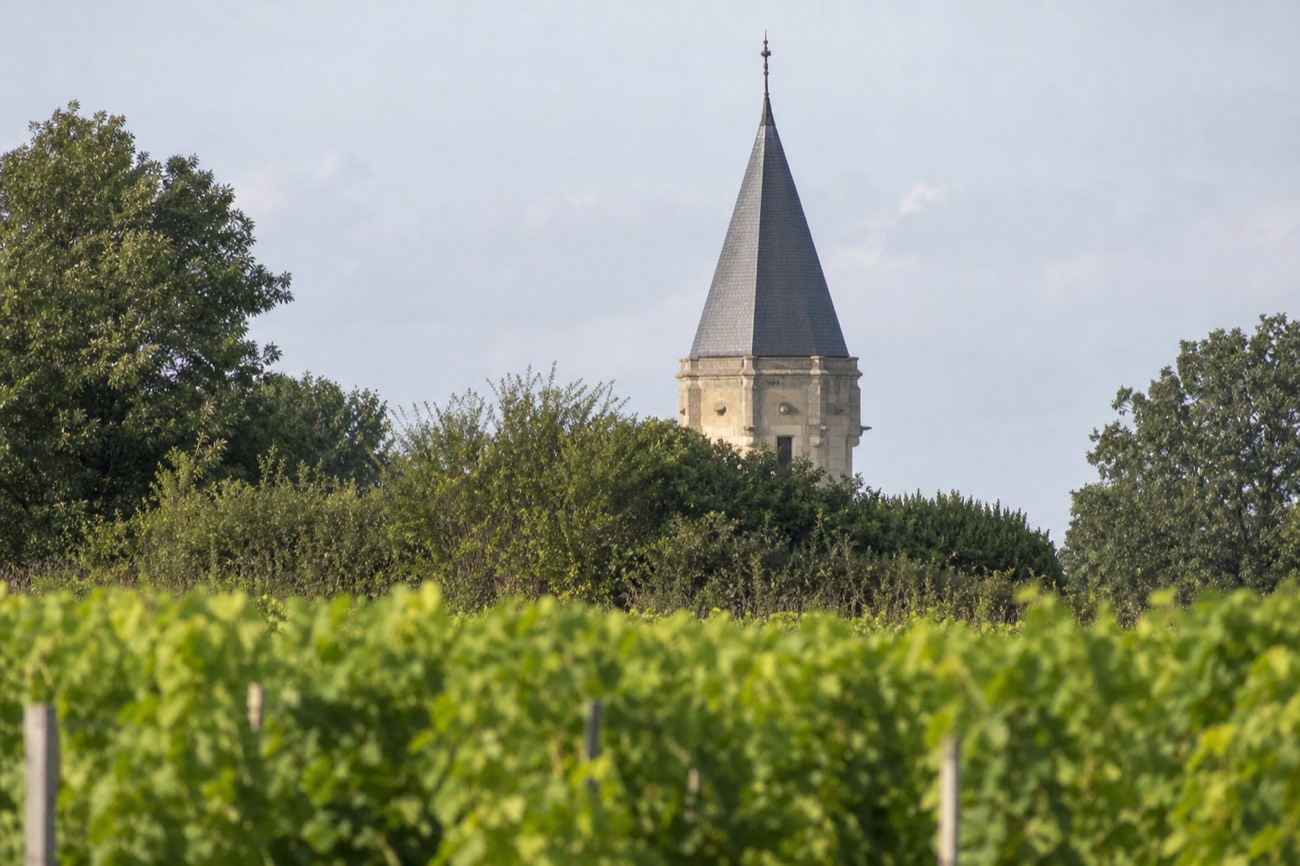
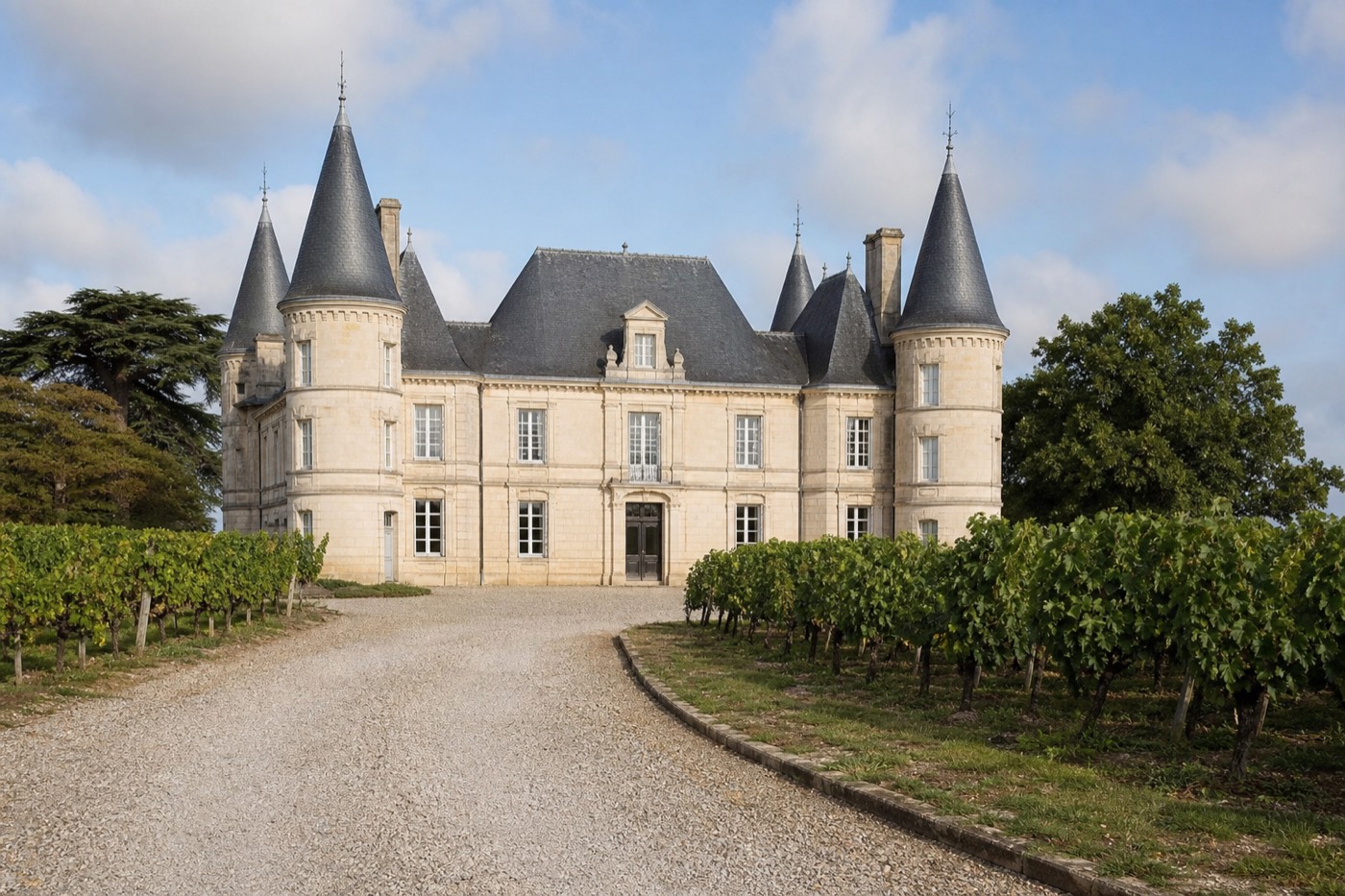
Within the Médoc, four communes carry particular weight, and each has its own reputation within the broader gravel-and-Cabernet Sauvignon character of the region. Margaux is generally considered the most elegant and perfumed of the four. Pauillac is home to some of the Médoc's most famous names and is generally the most powerful and structured in style. Saint-Julien sits between the two, often described as the most consistently balanced of the Médoc communes. Saint-Estèphe, the northernmost of the four, tends to be described as firmer and more tannic than its neighbors.
Haut-Médoc is the broader appellation surrounding and including these four communes, covering the southern, generally higher-quality part of the Médoc peninsula (the name literally means "high Médoc"). Wines labeled simply "Médoc" come from the northern part of the peninsula, generally considered a step below Haut-Médoc in prestige, though often good value. This is the terrain covered by the Margaux discovery tour and the Left Bank option on the Médoc or Saint-Émilion half-day château tour, and the full Left Bank sweep, Margaux through Saint-Julien and Pauillac to Saint-Estèphe, is exactly the route the private Citroën DS Médoc tour is built around. A typical guided visit here means a cellar tour first, then a seated tasting of Cabernet Sauvignon-dominant reds, often with a drive-by photo stop at one of the famous names further north before the day moves on.
| Médoc / Haut-Médoc at a glance | |
|---|---|
| Grape mix | Cabernet Sauvignon-dominant |
| Soil | Gravel, well-drained, nutrient-poor |
| Wine style | Structured, tannic, built to age for decades |
| What a visitor sees | Classified château architecture, Margaux/Pauillac/Saint-Julien/Saint-Estèphe communes, guided cellar tours |
What makes Saint-Émilion different, and why is it a UNESCO site?
Saint-Émilion is a medieval village on the Right Bank's limestone plateau, a UNESCO World Heritage Site built literally out of the stone quarried beneath it, and its Merlot-dominant wines are rounder and more approachable than the Left Bank's Cabernet-driven reds. It's the Right Bank region most tours visit, and the only one that doubles as a genuine historic-town destination in its own right.
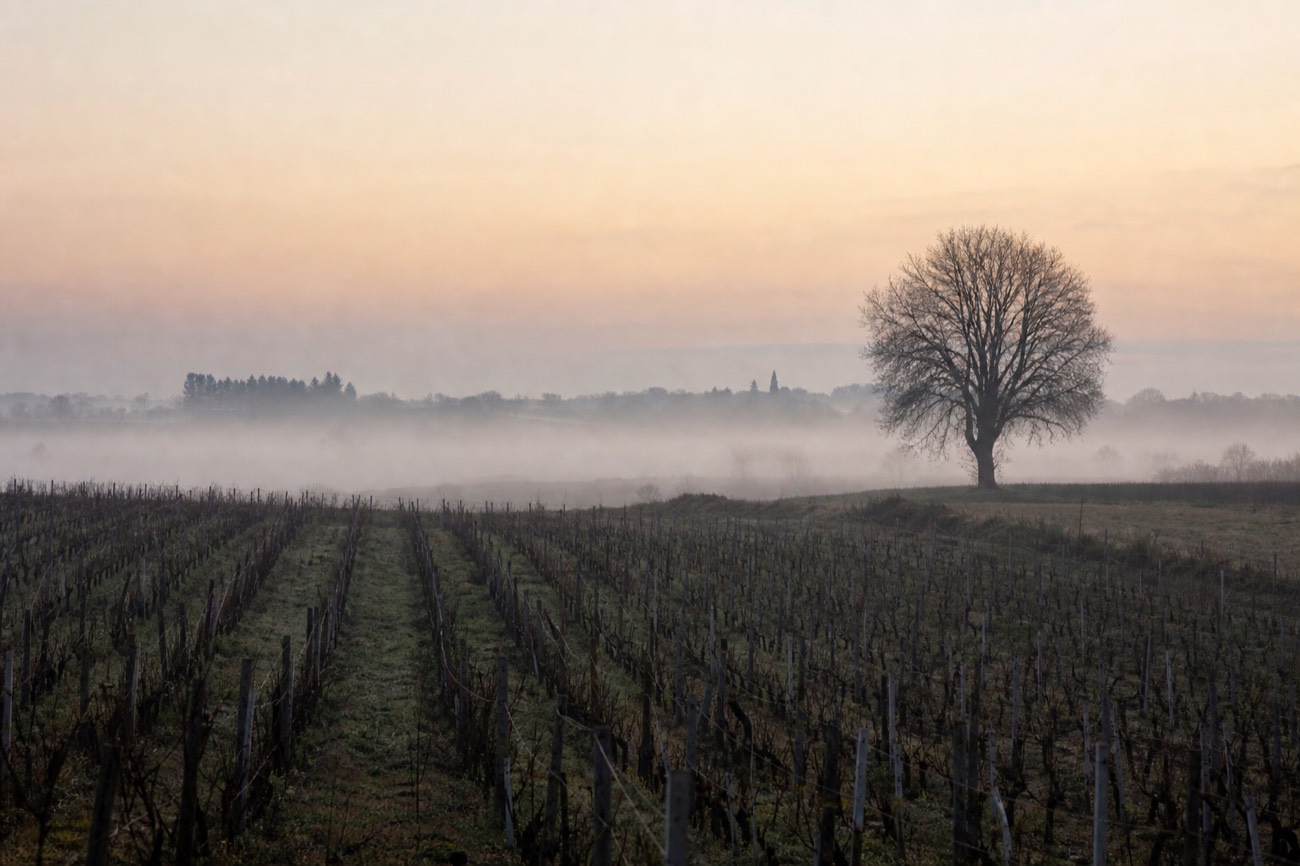
The village's most striking feature is the Monolithic Church, carved from a single block of limestone between the 9th and 12th centuries, with a nave 38 meters long and 20 meters high. The underground limestone quarries that supplied stone across the region riddle the ground beneath the village, and many are now used as wine cellars, so a Saint-Émilion visit typically pairs a cellar tasting with a walk through medieval streets and a look at the church, something no other Bordeaux wine region offers in one stop. Saint-Émilion also runs its own separate classification system distinct from the 1855 Médoc ranking, revised periodically rather than frozen since the 19th century. See Saint-Émilion for more on the village's history.
The Bordeaux e-bike day includes vineyard cycling, two château visits, a picnic and a guided village visit. Cheval Blanc and Pétrus are passing views. Admission to the Monolithic Church and other underground monuments is not established by this listing; arrange it separately if it matters to you.
| Saint-Émilion at a glance | |
|---|---|
| Grape mix | Merlot-dominant |
| Soil | Limestone plateau |
| Wine style | Rounder, softer, more approachable sooner |
| What a visitor sees | Medieval village, Monolithic Church, underground limestone quarries used as cellars |
What is Pomerol, and why does it have no formal classification at all?
Pomerol is a small Right Bank appellation next to Saint-Émilion with no formal classification system whatsoever, yet it's home to Pétrus, one of the most sought-after and expensive wines in the world, built entirely on reputation and clay-heavy soil that suits Merlot exceptionally well. It's the clearest proof in the whole region that classification and quality don't always track together.
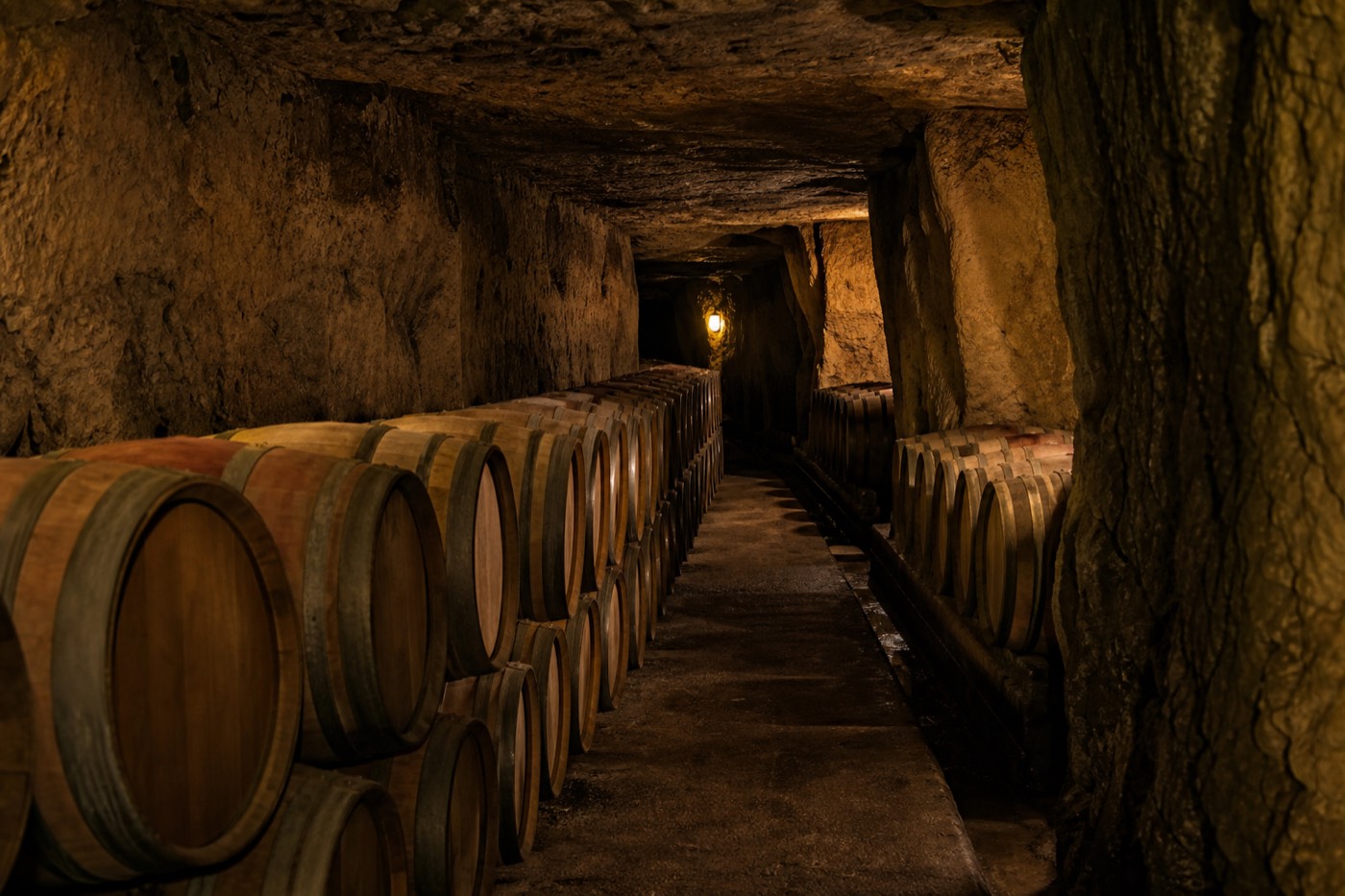
Pomerol is tiny compared to the Médoc or Saint-Émilion, and largely made up of small family-run estates rather than grand visitor-ready châteaux. Its clay and iron-rich soils push Merlot toward a plush, velvety texture that collectors prize, but the flip side is that very few Pomerol estates have any visitor infrastructure at all. Access here leans heavily toward the "trade connections only" end of the access spectrum. Most travellers experience Pomerol by passing through it on the way to or from Saint-Émilion, as the e-bike tour to Saint-Émilion route past Pétrus illustrates, rather than by booking a dedicated Pomerol tasting.
| Pomerol at a glance | |
|---|---|
| Grape mix | Merlot-dominant |
| Soil | Clay, iron-rich |
| Wine style | Plush, velvety texture, collector-prized |
| What a visitor sees | Very limited visitor infrastructure; mostly seen passing through en route to Saint-Émilion |
What are Graves and Pessac-Léognan, and how do they differ from the rest of the Left Bank?
Graves lies south of the Médoc, named for its gravel soils, and is the one major Bordeaux region that produces serious quantities of both red and white wine, with Pessac-Léognan carved out of its northern end as the appellation closest to Bordeaux city itself. It's also the region that leads directly into Sauternes.
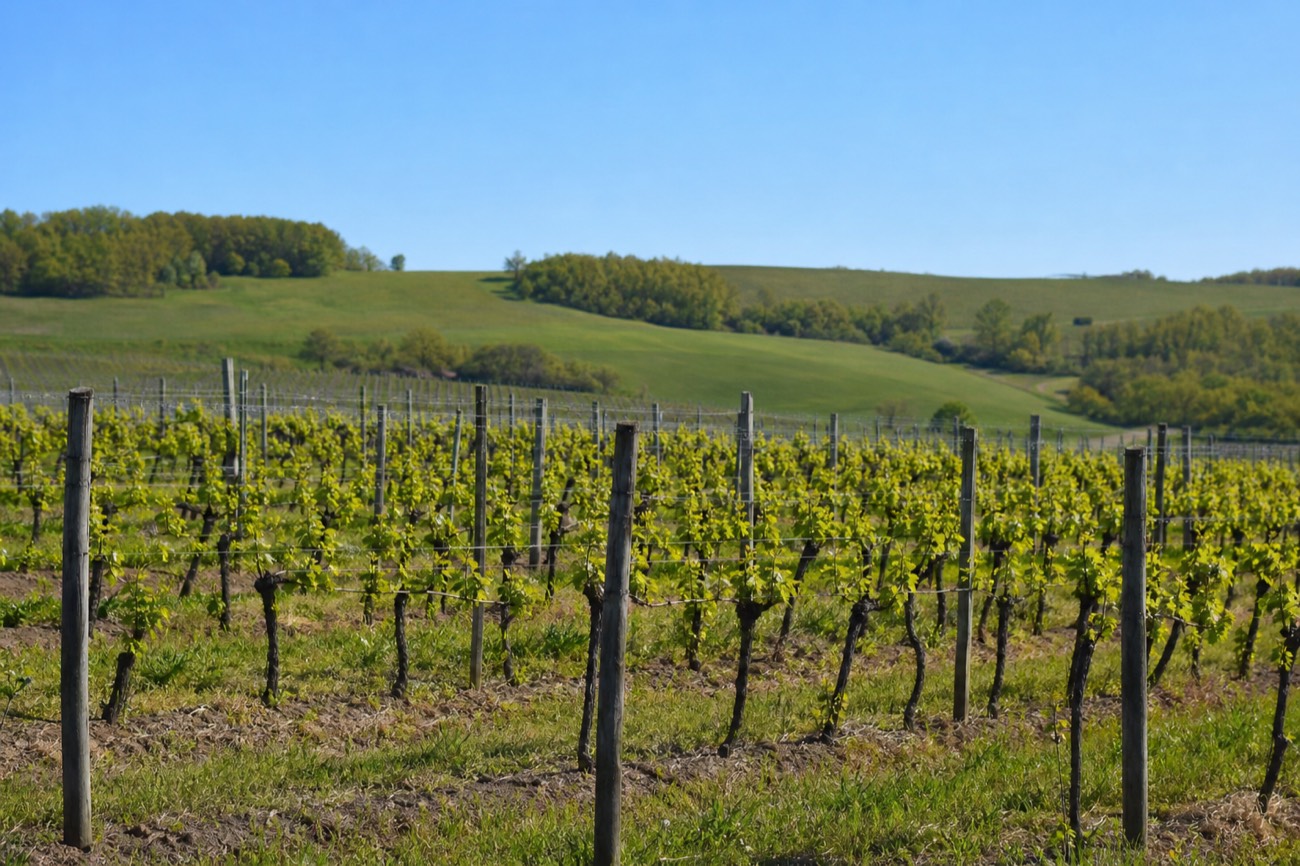
The standard Médoc or Saint-Émilion half day does not cover Sauternes. A private Graves–Sauternes 2CV route and a local Sauternes château outing are now included in the choices below. Check the starting point: the local Sauternes outing does not establish a transfer from Bordeaux.
| Graves / Pessac-Léognan at a glance | |
|---|---|
| Grape mix | Both red (Cabernet-based) and white (Sauvignon Blanc/Sémillon) |
| Soil | Gravel |
| Wine style | Left Bank-style reds alongside notable dry whites |
| What a visitor sees | Closest region to Bordeaux city; no dedicated tour currently listed on this site |
What is Sauternes, and why does "noble rot" make its wine sweet?
Sauternes sits about 40 km south of Bordeaux within the Graves area, and its sweet white wine comes from grapes deliberately left on the vine to be infected by botrytis, a fungus nicknamed "noble rot" that concentrates sugar and flavor into a small, shriveled, intensely sweet grape. It's the one Bordeaux region built entirely around a single, unusual winemaking process.
The standard Médoc or Saint-Émilion half day does not cover Sauternes. A private Graves–Sauternes 2CV route and a local Sauternes château outing are now included in the choices below. Check the starting point: the local Sauternes outing does not establish a transfer from Bordeaux.
| Sauternes at a glance | |
|---|---|
| Grape mix | Botrytis-affected Sémillon and Sauvignon Blanc |
| Soil | Within the Graves area, south of Bordeaux |
| Wine style | Sweet, concentrated dessert wine |
| What a visitor sees | Château d'Yquem (the only Premier Cru Supérieur), Château Suduiraut, Château Rieussec; harvest runs into October-November; no dedicated tour currently listed |
Left Bank vs. Right Bank: how do they actually compare?
Left Bank wines lean structured, tannic and built to age for decades on Cabernet Sauvignon and gravel; Right Bank wines lean softer, rounder and more approachable sooner on Merlot and clay-limestone, and that single grape-and-soil difference explains almost everything else that separates the two sides of the river.
| Left Bank (Médoc, Graves, Sauternes) | Right Bank (Saint-Émilion, Pomerol) | |
|---|---|---|
| Dominant grape | Cabernet Sauvignon | Merlot |
| Typical soil | Gravel, well-drained, nutrient-poor | Clay and limestone, more moisture-retentive |
| Taste profile | Tannic, structured, cassis and cedar notes | Rounder, softer, plum and dark-fruit notes |
| Ageing potential | Often built to age for decades | Generally approachable sooner, though top estates still age well |
| Home of the 1855 Classification | Yes, the original ranking covers Médoc estates | No; Saint-Émilion has its own separate system, Pomerol has none |
| Notable landscape feature | River-facing gravel terraces | Limestone plateau and underground quarries |
The single tour that lets you compare both sides directly in one booking is the Médoc or Saint-Émilion half-day château tour, which offers a genuine choice between the two rather than forcing a pick blind. For travellers who want to taste both styles side by side rather than choose one, the full-day 3 wineries tour with a gourmet picnic visits estates across different sub-regions in a single day.
How accessible is each region on a realistic day trip?
Drive time from Bordeaux city is the practical filter most trip planning starts from, and the chart near the top of this page lays that out region by region. All five regions are close enough for a day trip, but the actual visiting experience varies by how visitor-ready each region's estates are.
| Region | Approx. drive time from Bordeaux | Best suited to |
|---|---|---|
| Médoc / Haut-Médoc | 30-45 min | Structured reds, the 1855 Classification's home ground |
| Saint-Émilion | 40-50 min | Merlot tasting plus a genuine historic-village visit |
| Pomerol | 40-50 min | Passing through en route to Saint-Émilion; dedicated visits are rare |
| Graves / Pessac-Léognan | 20-40 min | Red and white wine in one region, closest to the city |
| Sauternes | 45-60 min | Sweet wine specifically, less commonly covered by current tours |
Which region suits which kind of traveller?
Pick your region by what you want in the glass and how much you care about historic atmosphere: structure-seekers go Left Bank, approachability-seekers go Right Bank, and anyone who wants a walkable medieval village with their wine should make Saint-Émilion the priority. None of these choices are wrong, they just serve different versions of the same day.
Travellers who want big, age-worthy reds and a direct line to the 1855 Classification's history belong in the Médoc. The Margaux discovery tour puts you inside a classified estate rather than just looking at gates from the road, and the Left Bank side of the flagship half-day tour covers the same broad style if you're not fixed on Margaux specifically. Anyone who has read about the Médoc's famous names and wants to understand what all the fuss is about should start here rather than the Right Bank.
Travellers who want a softer, easier-drinking red paired with a genuinely beautiful historic village belong in Saint-Émilion. The Right Bank side of the flagship tour handles this in a half day, while the full-day e-bike tour to Saint-Émilion adds real time in the village itself, the Monolithic Church, and the underground quarries, at a slower and more active pace than a minivan seat allows. This is also the region to prioritize if the wine matters less to your travel companions than the setting does.
Travellers who don't want to choose at all should look at the 3 wineries tour with a gourmet picnic, which spans multiple sub-regions in a single full day and lets you taste both styles back to back rather than committing in advance. And travellers who are short on time but still want real flexibility should book the Médoc or Saint-Émilion half-day château tour, since the choice of region is made at booking rather than dictated by the tour itself.
How do these regions fit into a trip that starts in Paris?
All five regions are reachable as day trips once you're in Bordeaux, and Bordeaux itself is a straightforward TGV ride from Paris, roughly two hours at its fastest, which is why so many visitors treat the whole wine country as an extension of a Paris trip rather than a separate destination. The train does the heavy lifting; the regions themselves are all short drives from the station.
The TGV runs from Paris Montparnasse to Bordeaux Saint-Jean, with a fastest journey time around 2 hours 8 minutes and roughly 25 direct departures on a typical weekday, so there's rarely a shortage of options for a day trip or a short stay. Fares rise the closer to departure you book, so travellers with fixed dates generally do better booking their train in advance rather than waiting. Flying between Paris and Bordeaux takes roughly 1 hour 15 to 20 minutes in the air, though airport transfers on both ends usually erase most of that time saved over the train. Driving the same route via the A10 motorway takes roughly 6 hours, a reasonable option only if a car is otherwise part of the plan. The guide on getting from Paris to Bordeaux covers the fuller logistics, including whether a same-day round trip from Paris is realistic, and whether Bordeaux is worth a day trip from Paris tackles that question directly. See the TGV itself for background on the high-speed line.
Once you've made the trip down, the five regions in this guide are all close enough to Bordeaux's Saint-Jean station or city centre that no second long journey is needed, only the 20-60 minute regional drives already covered above. Still weighing Left Bank against Right Bank for your specific trip? The difference between Médoc and Saint-Émilion wine breaks the taste comparison down further, and Médoc or Saint-Émilion: which tour to book turns that into a direct booking decision. Whichever region wins, you can browse the full list of Bordeaux wine tours to see current availability.