Getting from Paris to Bordeaux: Train, Cost and Day-Trip Planning (2026)
Paris and Bordeaux sit 537 kilometres apart, and the TGV covers that in as little as two hours and eight minutes. The train makes a day trip mathematically possible. Whether it makes a good day trip is a separate question, and the answer depends entirely on what you do once you step off at Saint-Jean.
Paris-Bordeaux round trip, by transport mode
Total door-to-door estimates including transfers, security and station time, not just time in transit.
How do you get from Paris to Bordeaux?
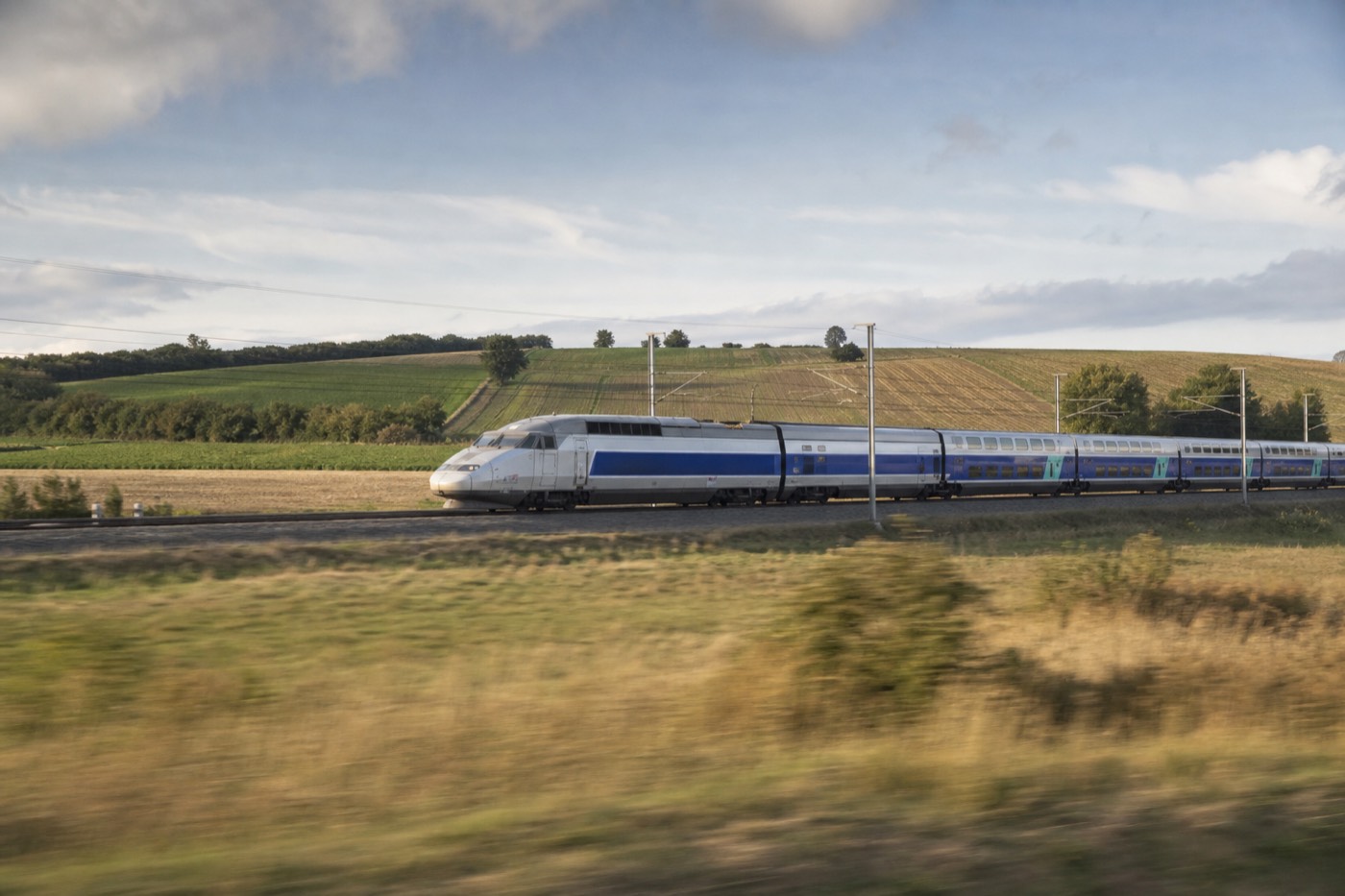
The TGV high-speed train from Paris Montparnasse to Bordeaux Saint-Jean is the fastest and most practical option, with a best-case journey time of 2h08 and around 25 direct departures on a typical weekday. Driving takes roughly six hours via the A10 motorway, and flying from Paris CDG or Orly to Bordeaux-Mérignac (BOD) takes about 1h15 to 1h20 gate to gate, though airport transfers and security eat into that advantage. For a single day trip, the train wins outright: it's the only option that gets you a genuinely usable day in the vineyards and still has you home for a late dinner.
Use the options below to weigh choose an outing after fixing your rail times. Start with the booking choice, or refine the shortlist after the guide.
Booking choice: A 2.5-hour minivan outing to Château Luchey-Halde in Pessac-Léognan, including a guided visit and three wines. View Pessac-Léognan Château Visit
The rail distance between the two cities is 537 km, covered on the LGV Sud Europe Atlantique, a dedicated high-speed line that opened on 2 July 2017 and cut roughly an hour off the old journey time. Not every train hits the fastest 2h08, some services run 2h10 to 2h30 depending on how many intermediate stops they make, and a handful of slower off-peak or connecting services stretch to around 3h05. Even the slower end still beats driving by a wide margin, and unlike a flight, the TGV drops you directly into central Bordeaux instead of an airport 12 km outside town.
| Mode | Typical journey time | Departure/arrival points | Notes |
|---|---|---|---|
| TGV train | 2h08-3h05 (most 2h10-2h30) | Paris Montparnasse to Bordeaux Saint-Jean, both city-centre stations | ~25 direct departures on a typical weekday |
| Driving | ~6 hours | Door to door via the A10 motorway | Tolls, fuel, and a full day of driving each way if done round-trip |
| Flying | ~1h15-1h20 in the air | Paris CDG/Orly to Bordeaux-Mérignac (BOD) | Add airport transfers, check-in and security both ends; BOD is ~12 km / ~30 min from the city centre |
Most travelers weighing these options are really asking two separate questions at once: how to cover the Paris-Bordeaux leg, and then how to get around once they're actually in wine country. The two rarely use the same mode. Someone who takes the TGV in from Paris almost never also drives themselves to a château that afternoon, they join a tour or arrange a transfer instead, since renting and navigating an unfamiliar car on a tight day-trip schedule adds risk without adding time. That local transport question is covered further down, once the Paris leg itself is settled.
What does a Paris-Bordeaux train ticket cost?
SNCF prices TGV tickets dynamically, so the fare for the same route can vary several times over depending on how far ahead you book and which train you pick, with no single fixed price to quote. The general pattern holds across the French high-speed network: booking weeks or months in advance gets you the cheapest seats, and prices climb steadily as the departure date approaches, with last-minute or peak-hour tickets costing substantially more than the same journey booked early.
Because fares shift by demand, day of week and how close you book, the only reliable way to see what you'd actually pay is to check a live fare search rather than trust a number printed months earlier. SNCF Connect's Paris-Bordeaux route page shows real-time pricing and the full day's timetable, and it's worth comparing two or three departure times, since an early-morning or late-evening train is often cheaper than a mid-morning one on the same day. If your dates are flexible, shifting a day-trip departure earlier or a return later by even an hour can change the fare noticeably.
A few practical fare habits worth knowing before you book:
- Advance-purchase fares are consistently the cheapest way to fly by rail on this route; if your day-trip date is fixed, book as soon as you know it.
- First class costs more than second class but rarely changes the outcome of a day trip, since the time saved is zero and the seat comfort matters more on longer hauls.
- Round-trip tickets bought together sometimes price differently than two one-way tickets bought separately, so it's worth comparing both in the SNCF Connect search before paying.
- Weekday off-peak departures (very early morning, or mid-afternoon) tend to undercut weekend and holiday fares, which spike with demand.
| Booking timing | General fare pattern | What it means for a day trip |
|---|---|---|
| Weeks to months ahead | Cheapest tier of tickets typically available | Best value if your day-trip date is already fixed |
| 1-2 weeks ahead | Mid-range pricing, fewer of the cheapest seats left | Still workable, but check a couple of departure times for the best fare |
| Last few days / same week | Highest fare tier, cheapest seats usually gone | Expect to pay more; a flexible departure time helps more than it does at other tiers |
None of these figures are fixed amounts, they describe the direction fares move, not a euro number, since SNCF adjusts pricing by demand in real time. Treat the table as a planning pattern: book as early as the trip is confirmed, and if the date has to move, check fares again rather than assuming the price holds.
Is it faster to drive or take the train?
The train is faster by a wide margin for a Paris-Bordeaux connection: driving via the A10 motorway takes roughly six hours door to door versus the TGV's 2h08 best case, and driving also removes the option of resting, working or drinking on the way. For a day trip specifically, driving simply doesn't leave enough hours on the ground to make the trip worthwhile, twelve hours of round-trip driving against a handful of hours in the vineyards is a poor trade.
Where driving does make sense is once you're already in Bordeaux and want to reach the wine regions themselves, which sit 30 to 60 minutes outside the city by car. That's a completely separate leg from the Paris connection, and most visitors who take the train from Paris then either join an organized tour with hotel pickup or rent a car locally for the vineyard portion, rather than driving the full Paris-Bordeaux stretch themselves. Rental cars in the Bordeaux area run roughly EUR 40-70 a day, on top of parking, which can be limited at some châteaux.
| Factor | TGV train | Self-drive (Paris-Bordeaux) |
|---|---|---|
| Time, one-way | 2h08-3h05 | ~6 hours |
| Usable hours in Bordeaux on a day trip | 6-7 hours realistic | Effectively none once round-trip driving is counted |
| Cost driver | Dynamic fare, cheaper booked in advance | Fuel, tolls, and possible parking in central Bordeaux |
| Best suited to | Day trips and any visit where time matters | Multi-day stays, or once already based in Bordeaux for local touring |
What does a realistic day-trip schedule actually look like?
A workable Bordeaux day trip from Paris means catching an early TGV, arriving by mid-morning, and getting roughly six to seven usable hours on the ground before a train back that leaves time to reach Montparnasse at a reasonable hour. That's enough time for one focused activity, either a half-day vineyard tour or a city walking and tasting experience, but not both, and not a leisurely multi-château day like the one a Bordeaux-based visitor would do.
Here's what that day actually looks like scheduled out, built around catching one of the earliest useful TGV departures and returning on a mid-to-late evening train:
| Time | Activity |
|---|---|
| Outbound train | Choose a confirmed train with enough time for station-to-meeting-point travel. |
| Arrival at Saint-Jean | Use the arrival on your ticket; leave margin for delays. |
| Station transfer | Reach the exact provider meeting point before its check-in deadline. |
| Booked activity time | Use the listed start and duration. The Médoc or Saint-Émilion half day currently starts at 14:00 and lasts 4.5 hours; the Pessac-Léognan visit is shorter. |
| Before or after the activity | Add city sightseeing only where the actual timetable leaves room. |
| Return station transfer | Leave a generous margin after the scheduled tour return. |
| Return train | Choose a confirmed departure that accommodates the activity, transfers and a delay buffer. |
Compare that to the site's own "Typical Tour Day" for someone actually based in Bordeaux, which runs 8:30am to 5:30pm and covers three château visits across two sub-regions, a proper picnic lunch in the vines, and the Saint-Émilion village on top. A day-tripper from Paris loses the first two hours of that itinerary to the train ride in and the last hour or two to getting back to the station in time, which is why the honest version of a Paris day trip is one vineyard tour or one city experience, not both, and definitely not the full three-château loop.
The schedule above assumes everything runs on time, which is worth building in a margin for. Trains occasionally run a few minutes late, and Bordeaux's Old Town streets around Saint-Pierre can be slower to navigate on foot than a map suggests, all narrow medieval lanes rather than a grid. Padding fifteen to twenty minutes into both the outbound arrival and the pre-departure return window absorbs most of that risk without costing a meaningful chunk of the day. It's also worth checking, before locking in a departure time, whether the specific tour or walk you want has a pickup point close to the station or closer to the city centre, since that changes how much of your morning goes to transfers rather than the activity itself.
For the half-day vineyard portion, the Médoc or Saint-Émilion half-day château tour fits this window well: it's a 4-hour format with round-trip transport from central Bordeaux, so it slots neatly between a morning arrival and an early-evening train. If wine isn't the only draw, the Old Town food and wine walking tour covers the city's food and wine culture in three hours without needing any vineyard transfer at all, which leaves more buffer around the train times.
Does a day trip actually give you enough time?
A Paris day trip gives you roughly six to seven usable hours in Bordeaux, enough for one half-day vineyard tour or one city-based food and wine experience, but not enough to properly see multiple châteaux, linger over a long lunch, or add Saint-Émilion's medieval village on top. Anyone who wants the full multi-château, picnic-lunch, two-sub-region kind of day needs to either stay overnight in Bordeaux or start their trip already based there.
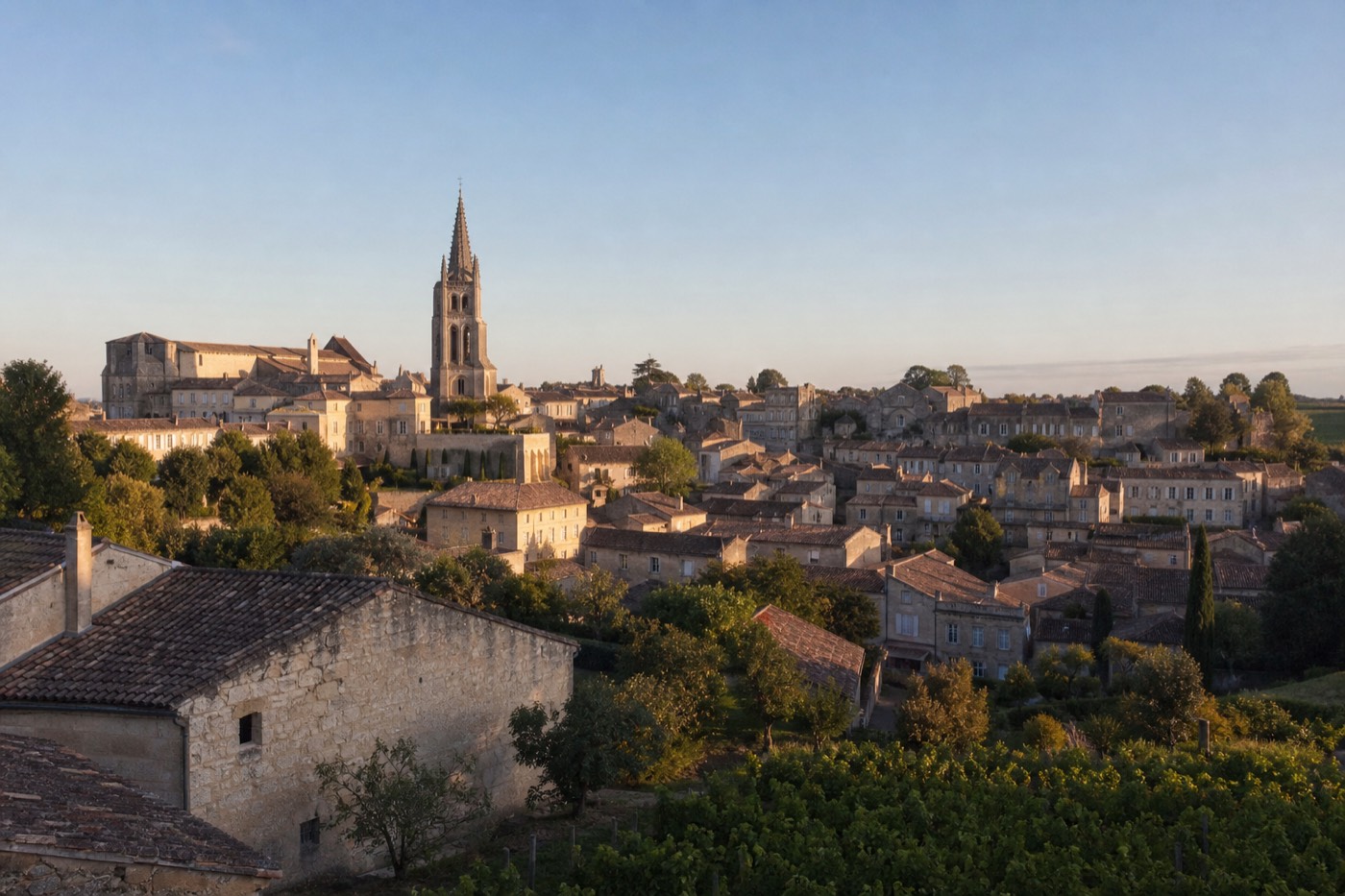
Score the day trip against what a full Bordeaux visit typically involves, and the gaps are clear:
| What you want | Feasible on a Paris day trip? | Why |
|---|---|---|
| One half-day château tour | Only when the actual departure and return fit your trains | Fits inside a 6-7 hour ground window with a morning train in, evening train out |
| One city walking/tasting experience | Yes | No vineyard transfer needed, easiest to slot around train times |
| Multiple châteaux across two sub-regions | Difficult | The site's own full tour day runs 8:30am-5:30pm; a day-tripper starts two hours later and must leave two hours earlier |
| A full-day 9-hour tour with picnic lunch | No | Leaves no margin for the train connection either direction |
| Saint-Émilion village plus a Médoc château on the same day | No | The two sub-regions sit on opposite sides of the Gironde estuary, a return crossing adds time the schedule doesn't have |
| A relaxed, unhurried pace | No | Every hour on a day trip is scheduled against a fixed return train |
None of that makes a day trip a bad idea, it makes it a specific kind of trip: a focused taste of Bordeaux rather than a proper visit. For the fuller reasoning on who that suits and who it doesn't, see is Bordeaux worth a day trip from Paris.
Day trip or overnight stay: which should you plan?
Book a day trip if your itinerary is Paris-centred and Bordeaux is a one-day detour; plan an overnight stay of at least two nights if wine is a real priority, since that opens up a full-day multi-château tour, a relaxed Old Town evening, and a buffer against any train delay. The train schedule itself doesn't force either choice, both are genuinely possible, the deciding factor is how much of the trip you want Bordeaux to be.
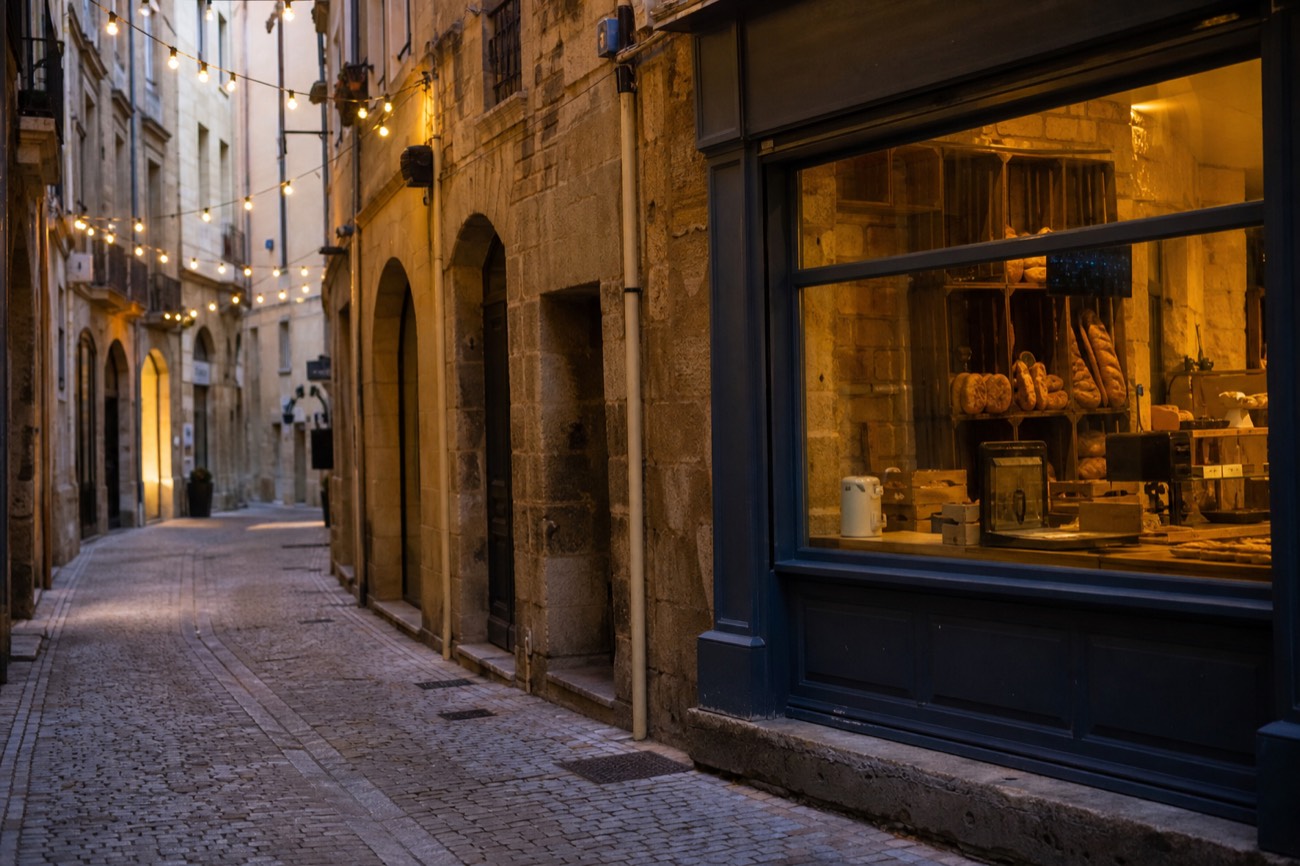
An overnight stay removes the two biggest constraints of a day trip: the fixed return train and the two-hour tax on each end of the day for transfers. With even one night in Bordeaux, a full 9-hour tour like the 3 wineries tour with a gourmet picnic becomes realistic without any schedule pressure, and there's room to add a relaxed dinner or a second, shorter activity like the wine and cheese tasting class the next morning before heading back to the station. It also removes the single point of failure a day trip carries: if a train is delayed or a tour runs long, a day-tripper's whole schedule can unravel, while an overnight visitor simply has more slack. If you do decide to stay over, the best area to stay in Bordeaux for a wine trip covers where to base yourself.
| Day trip | Overnight stay (1-2 nights) | |
|---|---|---|
| Ground time in Bordeaux | ~6-7 hours | Effectively unlimited within the stay |
| Best-suited tour length | Half-day (4h) formats | Full-day (8-9h) formats fit comfortably |
| Multi-region tours (Left Bank + Right Bank same day) | Not realistic | Realistic |
| Resilience to a delayed train or a tour running long | Low, one fixed return train | High, no same-day return to catch |
| Best for | Paris-based trips adding one focused Bordeaux experience | Visitors for whom Bordeaux wine is a trip priority, not a side stop |
For a broader look at how many days actually make sense for a first Bordeaux visit, the site's guide on how many days you need in Bordeaux breaks down the tradeoffs between a one-day taste and a fuller stay. And for readers still deciding what the trip should even center on once they're on the ground, the guide to Bordeaux's wine regions lays out the Left Bank/Right Bank split that shapes most tour choices either way.
How the transport options actually compare
Ranked purely on what matters for a Paris-Bordeaux connection, speed and simplicity, the TGV outperforms both driving and flying once total door-to-door time and hassle are counted, not just the headline travel time. Counting total round-trip time, including transfers, security and station waits rather than just time in transit, the TGV comes out fastest at roughly 4h15-6h round trip, flying trails at around 6 hours once airport overhead is added, and driving is slowest by far at close to 12 hours round trip.
Figures are total round-trip time estimates built from the journey times above: TGV at 2h08-3h05 each way plus station time, flying at ~1h15-1h20 in the air plus airport transfers and security both ends, driving at ~6 hours each way via the A10.
The flight time in the air looks competitive with the train on paper, but once CDG or Orly check-in, security, and the BOD-to-city transfer are added, the total door-to-door time comes out close to or longer than simply staying on a train that drops you directly into Bordeaux Saint-Jean, a five-minute walk or short tram ride from the Old Town. Driving remains the slowest option for this specific route by a wide margin, and it's the only one of the three that leaves the traveler too tired to enjoy the day on either end.
There's also a comfort dimension the numbers don't capture. A TGV seat allows movement, a table for a laptop or breakfast, and a phone signal for most of the route, none of which a car offers the driver, and none of which a plane offers once seatbelt signs are on. For a day trip specifically, where the traveler needs to arrive alert enough to actually enjoy a tasting rather than recover from the journey, that matters as much as the raw time saved.
The TGV itself runs on the LGV Sud Europe Atlantique high-speed line, part of the broader French TGV network; the Bordeaux extension opened in July 2017 and shaved close to an hour off journeys that used to take over three hours on the older line.
What should first-time visitors know before booking?
Book the train as early as your dates allow to lock in a lower advance fare, pick an early-morning departure to maximize ground time, and decide the vineyard-versus-city question before arrival, since there isn't enough time on a day trip to improvise once you're there. A few smaller details make the day run smoother too.
- Bordeaux Saint-Jean station sits a short tram or taxi ride from the city centre, and most half-day tours offer pickup from central hotels or the station area, worth confirming at booking.
- If the plan is a vineyard tour, book the tour slot around the train times rather than the other way round, since tour departure windows are more fixed than train departure choices on a route with roughly 25 daily services.
- Carry a printed or downloaded ticket and photo ID; French train stations don't require the airport-style security queues that eat into flight time, which is part of why the TGV keeps its time advantage.
- Anyone extending beyond a single day should read things to do in Bordeaux beyond wine tasting for what fills a second day once the vineyard tour is done.
It helps to work backward from the return train rather than forward from the arrival time. Deciding first "I need to be back at Saint-Jean by 5:30pm" fixes the rest of the day automatically: it tells you how long a tour or walk can realistically run, and it removes the temptation to add "just one more stop" that eats the buffer meant for getting back to the station. A short table is often the easiest way to plan this out before booking anything.
| Step | What to decide | When to lock it in |
|---|---|---|
| 1. Pick the day | Fix the calendar date for the trip | As early as possible, fares rise closer to departure |
| 2. Book the outbound TGV | An early-morning departure maximizes ground time | Weeks ahead if the date is firm |
| 3. Book the return TGV | Early-to-mid evening, leaving buffer before it | Same time as the outbound, often cheaper together |
| 4. Choose one activity | A half-day château tour or a city walking/tasting tour, not both | Once the train times are set, so pickup windows fit |
| 5. Confirm pickup logistics | Hotel, station, or a fixed meeting point | At tour booking, and again the night before |
Whichever schedule ends up working, most first-timers still start from the same question, which format to prioritize once they're on the ground. The site's overview of what to expect on a Bordeaux wine tasting tour is a useful read before booking, and browsing to book a Bordeaux wine tour directly shows the full range of half-day and full-day formats sized to fit a day trip or a longer stay.