Things to Do in Bordeaux Beyond Wine Tasting
The vineyards get all the attention, but Bordeaux is a real city with its own riverfront, a UNESCO-listed old town, and a wine culture you can taste without leaving the city limits. Here's what to do when you're not in a vineyard.
Do you need to leave the city to experience Bordeaux's wine culture?
No. Bordeaux the city is itself a working wine town, with a historic wine-merchant quarter, a full wine museum on the riverbank, and Old Town walking tours that combine tastings with the same medieval streets tourists come to see anyway. The vineyards are 30 to 60 minutes away by design; the city center holds its own version of the same story, just told through architecture, a river, and food rather than rows of vines.
Use the options below to weigh build your Bordeaux city day. Start with the booking choice, or refine the shortlist after the guide.
Booking choice: A three-hour Old Town walk with artisan food stops, canelé, and a seated wine, cheese and charcuterie tasting. View Old Town Food Walk
Most visitors spend at least part of a Bordeaux trip inside the city itself, whether that's the day before a vineyard tour, the day after, or a full standalone day between wine-region visits. This guide covers what's actually there: the riverfront square everyone photographs, the wine museum, the historic merchant district, and the medieval old town, plus how the Old Town food and wine walking tour and the sommelier-led wine and cheese walk already fold city sightseeing into a wine experience, if you'd rather not plan the city portion yourself. If you're still choosing where to base yourself for a mix of city days and vineyard tours, the best area to stay in Bordeaux for a wine trip covers the neighbourhood options.
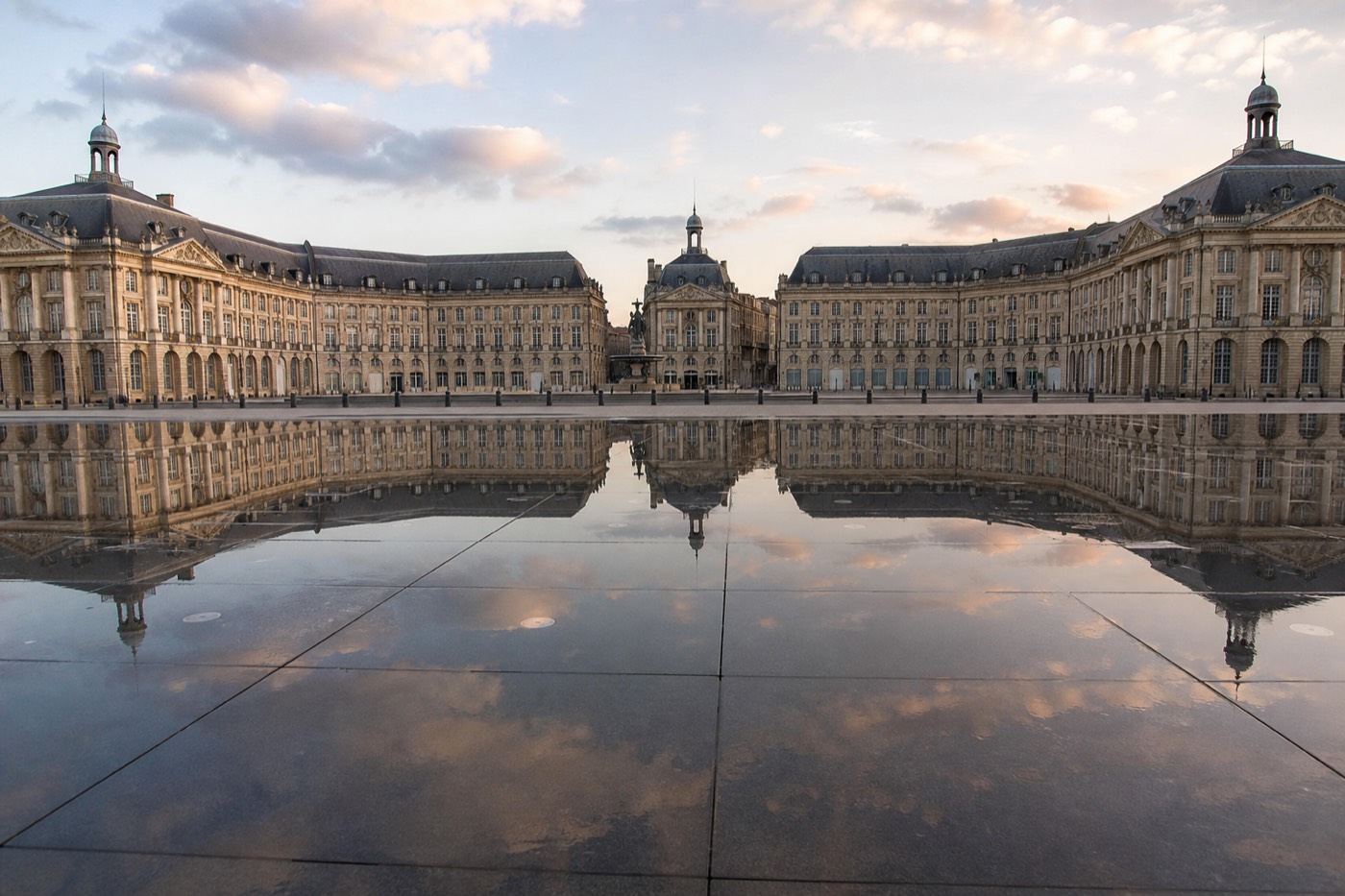
What is Place de la Bourse and why does everyone photograph it?
Place de la Bourse is Bordeaux's signature riverfront square, an 18th-century stone facade facing the Garonne that's mirrored in the water mirror, a shallow reflecting fountain built directly across from it that turns the whole building into a photograph of itself. It sits on the quay, an easy walk from the Old Town, and is the single most recognizable image of the city.
The water mirror itself alternates between a thin reflecting sheet of water and a light mist that rises off the stone, so the square looks different depending on when you visit: glassy and reflective at some hours, hazy with mist at others. It's free to visit, open to the public, and sits right along the riverfront walk, which makes it an easy stop to combine with anything else on the quay.
Because it sits directly on the Garonne, Place de la Bourse works as a starting or ending point for almost any city walk. Arrive early and the square is quiet enough to actually see the reflection clearly; arrive at midday and it's busier but still an easy five or ten minute stop rather than something that needs a dedicated block of your day. It's also one of the few sights in this guide that costs nothing and needs no planning, which makes it the natural first stop for anyone easing into a city day after a morning flight or an early vineyard pickup the day before.
What can you see at La Cité du Vin?
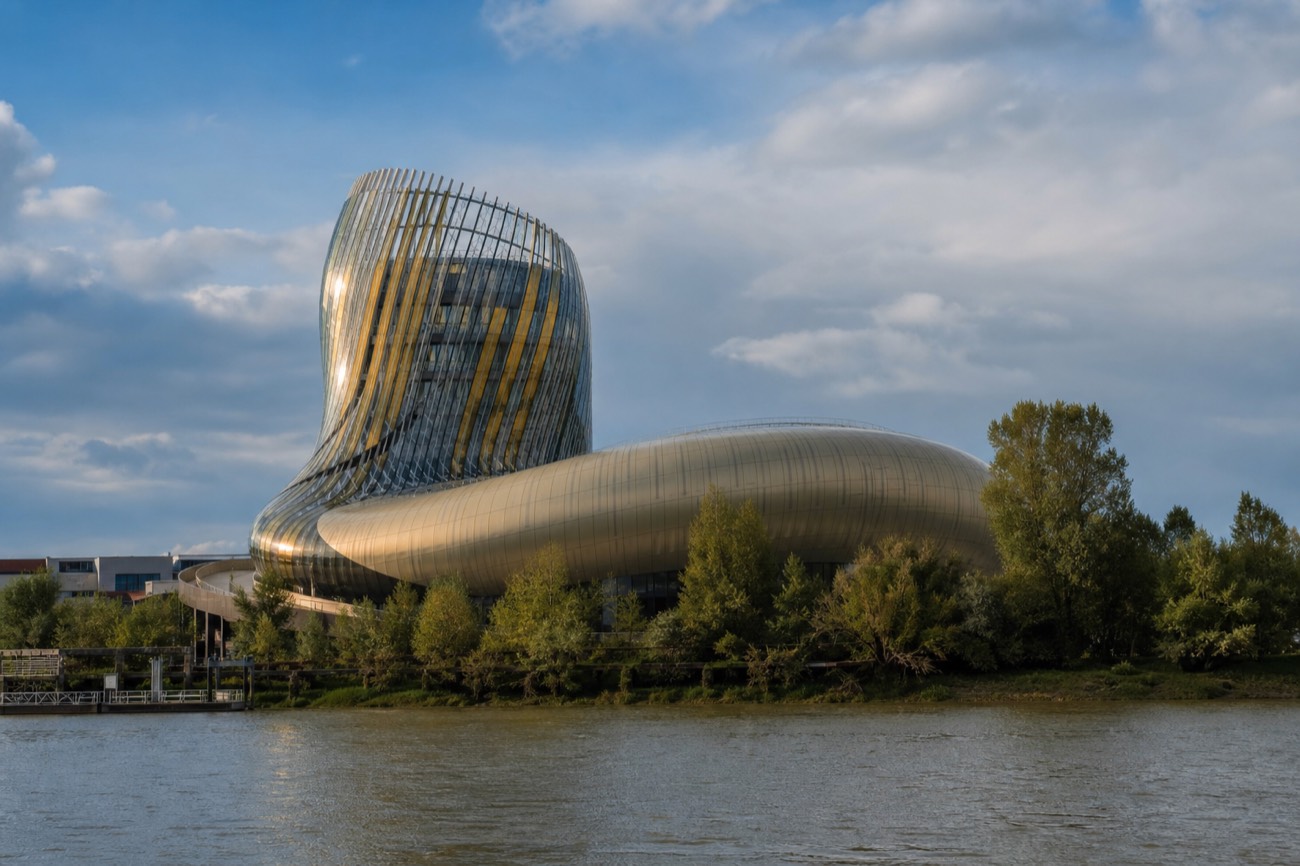
La Cité du Vin is Bordeaux's dedicated wine museum, a distinctive building on the riverbank built around the history and culture of wine as a global subject, not just Bordeaux's own production. It sits north of the Old Town along the river and is one of the few attractions in the city built specifically around wine as a cultural and historical topic rather than a tasting stop.
For visitors who want context before or after a vineyard day, walking through a wine museum in the city adds a different layer than a château visit does: the château shows you a single estate's process, while a city wine museum situates that estate inside the much larger history of Bordeaux wine as a global trade and culture. It pairs naturally with a riverfront walk, since it sits along the same stretch of the Garonne as much of the rest of the city's wine-focused sightseeing.
It's worth building a specific block of time around this one rather than treating it as a quick stop on the way to somewhere else, since it's a museum experience rather than a five-minute photo stop. Pairing it with the riverfront walk toward Chartrons, both sit along the same northern stretch of the quay, turns the museum visit into a half-day rather than an isolated errand. For current opening hours and ticket details, check the museum's own listing rather than relying on secondhand information, since hours and pricing can shift seasonally.
La Cité du Vin requires its own admission. The tasting classes and walks below do not include the museum; its product page could not be verified in this review.
What is the Chartrons quarter?
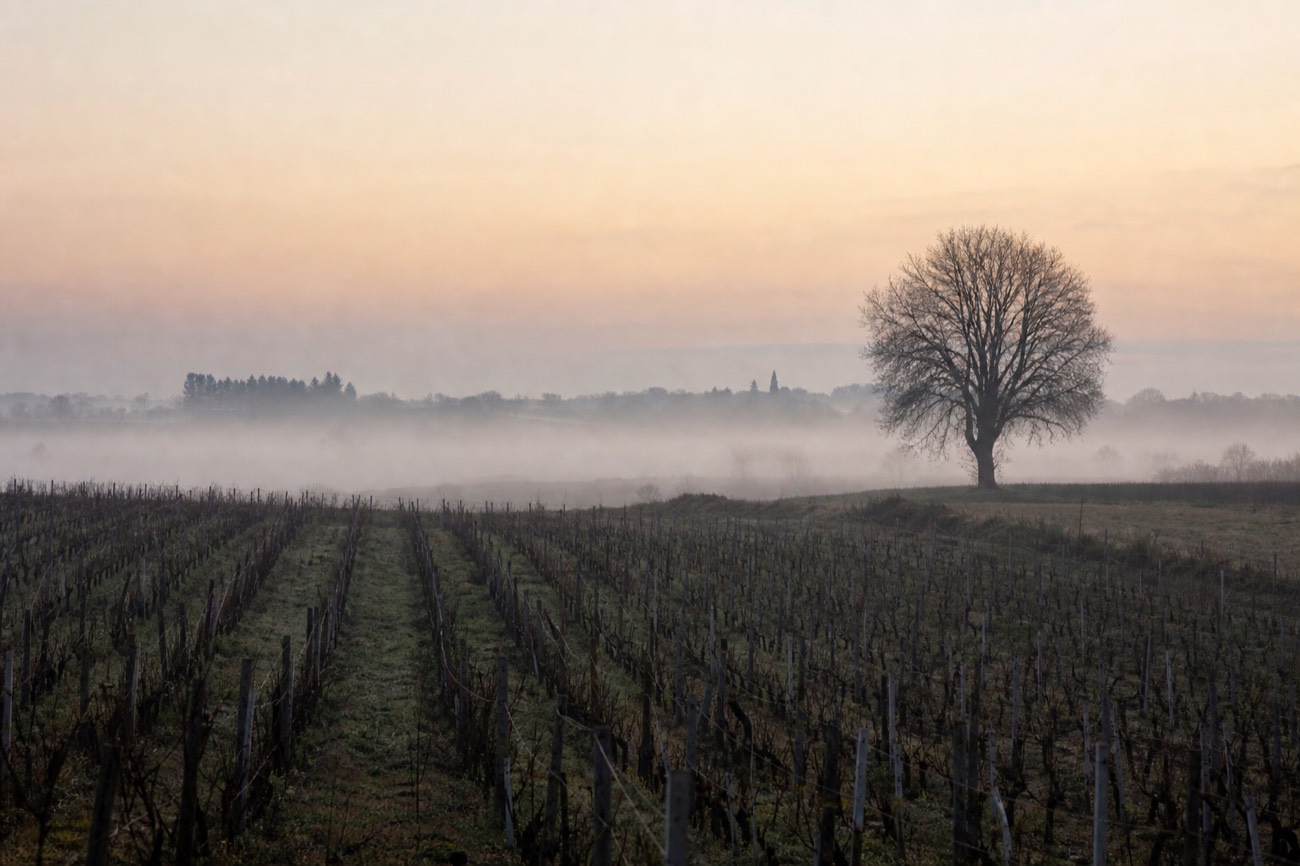
Chartrons is Bordeaux's historic wine-merchant quarter, the district where the négociants, the trading houses that built Bordeaux's wine export business, operated for centuries, and it still carries that identity in its streets and buildings today. It sits along the river north of the city center, an easy addition to a riverfront walking day.
Walking through Chartrons gives a different picture of Bordeaux's wine industry than a château visit does: this is the commercial side, the district where wine was bought, sold, stored, and shipped out to the rest of the world, rather than where it was grown. It's a good stop for anyone curious about how Bordeaux wine actually reaches global markets, a story that starts in the vineyards but is finished in quarters exactly like this one.
The négociant system that grew out of Chartrons is also part of why the 1855 Classification exists in the form it does: the ranking was built around commercial prices these merchant houses were fetching for their wines at the time, not a blind tasting or a modern quality board. Walking Chartrons today, its historic warehouses and merchant buildings still standing along the river, makes that commercial history tangible in a way a wine list never quite does. It's a quieter district than the Old Town, with fewer crowds, which makes it a good choice for travellers who want a slower, more independent stretch of walking after a busier morning at Place de la Bourse or in Saint-Pierre.
What's in the Old Town, and why is it UNESCO-listed?
Bordeaux's Old Town, centered on the medieval streets around Saint-Pierre, is UNESCO World Heritage-listed for its 18th-century urban architecture and historic street plan, and it's the part of the city most visitors spend the most time walking through. Narrow streets, historic squares, and a dense concentration of shops, bakeries, and wine bars make it the natural base for a city day.
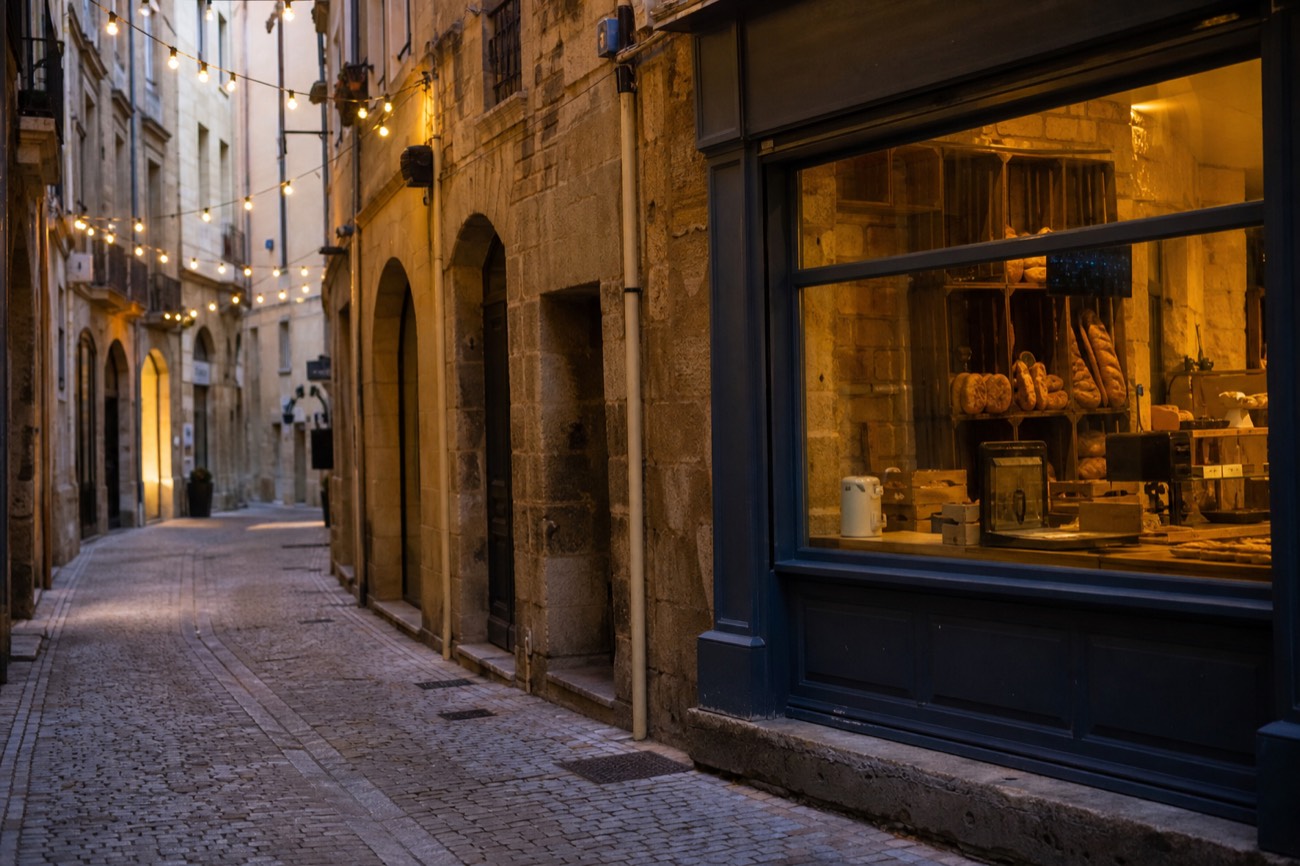
The two guided walks explore different parts of the city. The three-hour Old Town food walk combines artisan food stops with wine, cheese and charcuterie. The two-hour Chartrons walk connects wine-merchant and riverside history with four blind-tasted wines. The latter does not include museum admission. Choose the neighborhood and tasting format that interest you.
Both tours are worth considering less as "wine tastings that happen to be in the city" and more as city walking tours that happen to include wine, since the walking route through Saint-Pierre and the Old Town is a genuine sightseeing experience on its own.
What does a Garonne riverfront walk look like?
The riverfront walk along the Garonne connects most of the city's key sights, Place de la Bourse, the quay, and La Cité du Vin further north, in a single continuous stretch that's flat, easy, and free. It's the connective tissue of a Bordeaux city day: rather than planning separate trips to each sight, most of them sit along or near this one stretch.
Bordeaux's position on the Gironde estuary means the river has always been central to the city's identity, first as the trade route that built the wine export business through Chartrons, now as the walking and cycling route that ties the modern city together. A morning or evening spent walking the quay, with a stop at the water mirror and time to wander into the Old Town, covers a meaningful share of what the city has to offer without any advance planning required.
A suggested half-day city itinerary
A single half-day in Bordeaux city can realistically cover the riverfront, Place de la Bourse, and a walk through the Old Town, especially if it's built around one of the two Old Town wine-and-food walking tours rather than planned as separate stops. The table below lays out one practical sequence.
| Time | Stop | Notes |
|---|---|---|
| Morning | Riverfront walk to Place de la Bourse | Free, flat walk along the quay; best light for the water mirror is typically morning or early evening |
| Late morning | Old Town / Saint-Pierre streets | UNESCO-listed medieval core; wander independently or join a walking tour here |
| Midday | Old Town food and wine walking tour or sommelier-led wine and cheese walk | Combines the same streets with bakery, cheese shop, and cellar tasting stops |
| Afternoon | Chartrons quarter | Historic wine-merchant district, a short walk or short taxi from the Old Town |
| Late afternoon | La Cité du Vin | Riverside wine museum, a natural close to a wine-themed city day |
This sequence works whether you're spending a single city day before heading to the vineyards, or using it as a lower-key alternative on a day you'd rather not travel out to wine country at all.
City sights overview: what to expect at each stop
Each of Bordeaux's main city sights offers something different: architecture and photography at Place de la Bourse, wine history and context at La Cité du Vin, commercial wine heritage in Chartrons, and food, shopping, and street life in the Old Town. None require advance booking to simply walk through, though the walking tours that pass through them do.
| Sight | What it is | Best for |
|---|---|---|
| Place de la Bourse | 18th-century riverfront square with the water mirror reflecting fountain | Photography, a quick free stop, morning or evening light |
| La Cité du Vin | Riverside wine museum covering global wine history and culture | Context and background, especially before or after a vineyard day |
| Chartrons | Historic wine-merchant (négociant) quarter along the river | Understanding how Bordeaux wine reaches global markets |
| Old Town / Saint-Pierre | UNESCO-listed medieval streets, shops, bakeries, cheese shops | Walking, food, and the setting for both Old Town wine-and-food tours |
| Garonne riverfront | Flat walking and cycling route connecting most of the above | Tying a city day together without separate trips |
Wine tour day vs pure city day: which should you plan?
A wine tour day takes you 30 to 60 minutes outside the city into vineyard country for château visits and tastings, while a pure city day keeps you inside Bordeaux itself, on foot, covering the riverfront and Old Town, with wine still present through the in-city walking tours rather than a vineyard visit. Neither excludes the other; most multi-day visitors do both.
| Wine tour day | Pure city day | |
|---|---|---|
| Where you go | Médoc, Saint-Émilion, or another wine sub-region, 30-60 min from the city | Stays within Bordeaux city, mostly on foot |
| Transport needed | Organized tour, rental car, or taxi | Walking; most sights connect along the riverfront |
| Wine experience | Château cellar tours, guided tastings at the source | In-city tastings via the Old Town walking tours or a short wine and cheese class |
| Pace | Structured, scheduled around château visits | Flexible, self-paced unless joining a walking tour |
| Cost | Check the provider quote for your date, party and options. | Check the provider quote for your date, party and options. |
If your trip is short, a common and practical split is one day for the vineyards, using either the Médoc or Saint-Émilion half-day château tour or a full-day format, and one day for the city, anchored around Place de la Bourse, the Old Town, and one of the two in-city walking tours. The how many days you need in Bordeaux post breaks this down further if you're still planning your overall itinerary length.
How do the two Old Town walking tours compare?
The Old Town food walk lasts three hours and focuses on artisan food stops and a seated wine tasting. The Chartrons walk lasts two hours and focuses on wine-merchant history and a four-wine blind tasting. They are different routes, not two versions of the same Old Town walk. Compare current quotes and the meeting points before choosing.
| Old Town food and wine walking tour | Sommelier-led Old Town wine and cheese walk | |
|---|---|---|
| Duration | 3 hours | 2 hours |
| Price | Check the provider quote for your date, party and options. | Check the provider quote for your date, party and options. |
| Guide background | Ex-chef, food writer, sommelier | Sommelier |
| Distinct stop | Artisanal bakeries and cheese shops, seated cellar tasting finale | City's largest wine exposition museum |
Both are genuinely walking tours first, with the tasting built in as the anchor rather than the whole point, which is part of why they work as a way to see the Old Town's medieval streets and get a wine experience in the same few hours.
What are all the in-city wine experiences at a glance?
Beyond the two Old Town walking tours, the city also has a compact, beginner-friendly wine and cheese tasting class, one hour, capped at 12 guests, needing no transport at all, which makes it the lowest-commitment in-city wine option on the site. Together, the three give a range from a one-hour drop-in to a three-hour walking tour.
| Experience | Price | Duration | Rating (bookings) | Notes |
|---|---|---|---|---|
| Old Town food and wine walking tour | a date-dependent price | 3h | 5.0 (3,228+) | Full Old Town walk, seated cellar tasting finale |
| Sommelier-led Old Town wine and cheese walk | a date-dependent price | 2h | 4.9 (2,325+) | Shorter walk, stops at the city's wine exposition museum |
| Wine and cheese tasting class | a date-dependent price | 1h | 4.9 (2,001+) | In-city wine bar, max 12 guests, no transport needed |
Any of the three fits into a city day without disrupting plans built around Place de la Bourse, La Cité du Vin, or a Chartrons walk, since none of them require leaving the city center.
Self-guided city day vs a guided Old Town tour: which suits you?
A self-guided city day lets you set your own pace through Place de la Bourse, the Old Town and Chartrons, paying separately for any museums or tastings. A guided walk adds arranged tasting stops and a guide's context on a fixed schedule. Compare the current quote with the parts of the day you would otherwise pay for yourself.
| Self-guided | Guided Old Town tour | |
|---|---|---|
| Cost | Free, aside from any museum admission | Check the provider quote for your date, party and options. |
| Wine tasting included | No, arrange separately | Yes, built into the walk |
| Local context | Self-directed, whatever you research beforehand | Expert guide, often with a chef, food writer or sommelier background |
| Pace | Fully flexible, stop and go as you like | Fixed schedule, 1-3 hours depending on the tour |
A common approach is to combine both: wander Place de la Bourse and the riverfront independently in the morning, then join the Old Town food and wine walking tour or the two-hour wine and cheese walk in the afternoon once you're oriented and want the tasting and the narration to fill in what a guidebook alone won't.
Can you taste wine without going to a vineyard at all?
Yes. The city offers real wine tastings without leaving Bordeaux: the Old Town walking tours both end in guided tastings, and a dedicated in-city wine bar class covers three wines and charcuterie in about an hour. This matters for visitors on a short layover, a rainy day, or anyone who'd rather not commit to the transport and time a vineyard day requires.
The wine and cheese class is the most compact wine-focused option here: one hour at Olala in central Bordeaux, with three wines, cheese and charcuterie. It requires no vineyard transfer and leaves the rest of the day for independent sightseeing.
Is a city day a good option on a rainy day or in the off-season?
Yes, and it's often the better plan: many châteaux reduce or pause regular tours through the quieter winter months, while Bordeaux's city sights, the riverfront, La Cité du Vin, the Old Town's covered streets and shopfronts, stay open and walkable regardless of the season. Peak vineyard season runs May through early October; outside that window, a city day is frequently the more reliable option.
Late fall and winter bring quieter, cheaper visits generally, but with the trade-off that some châteaux cut back on regular tastings around the holidays and through the colder months. A city day sidesteps that entirely: Place de la Bourse and the water mirror work in any weather, the Old Town's narrow streets offer some shelter on a wet afternoon, and La Cité du Vin is an indoor option that doesn't depend on the forecast at all. If you're building a winter or shoulder-season itinerary and want the vineyard days to land on the better weather windows, stacking a city day on the greyer or wetter days of the trip is a practical way to structure it.
Getting oriented: how the city connects to the wine regions
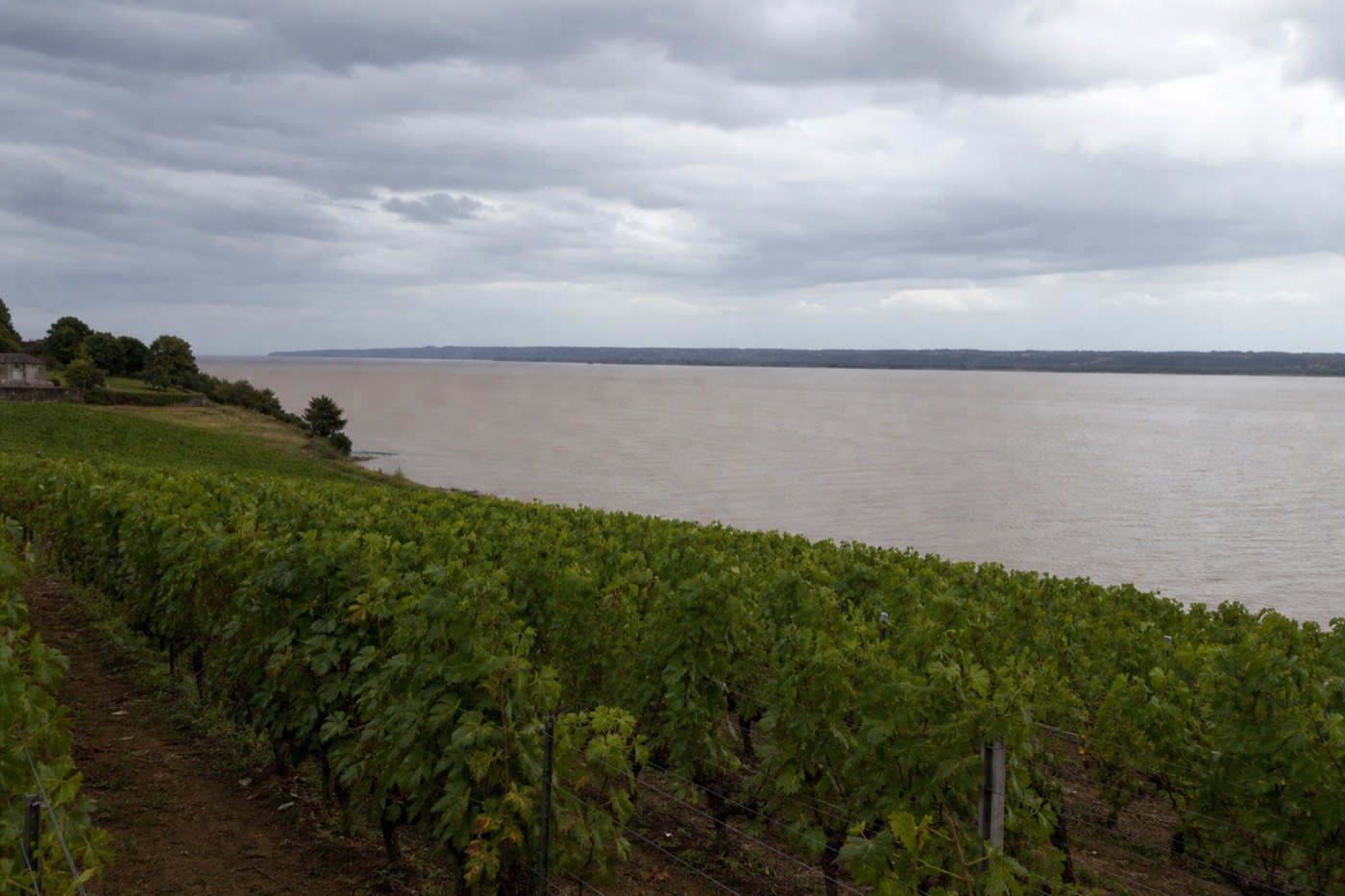
Bordeaux city sits on the Gironde estuary, roughly two hours by TGV from Paris, with the Left Bank wine regions (Médoc, Graves, Sauternes) to the west and the Right Bank (Saint-Émilion, Pomerol) to the east, both reachable in 30 to 60 minutes by car. Understanding this layout helps explain why a city day and a wine day feel like genuinely different experiences even though they're geographically close.
The city itself, walkable and river-facing, sits at the center of that layout: whichever wine region you head to, you'll likely depart from and return to somewhere near the Old Town or the riverfront. That makes a city day, whether it's a half-day before departure or a full day between vineyard trips, an easy addition rather than a separate logistical undertaking. If you're arriving by train, the getting from Paris to Bordeaux guide covers that leg in more detail, including how TGV timing affects how much city time you'll realistically have on arrival day.
The bottom line on Bordeaux beyond the vineyards
Bordeaux city holds enough on its own, the water mirror at Place de la Bourse, La Cité du Vin, the Chartrons merchant quarter, and the UNESCO-listed Old Town, to fill a full day or more, and the two Old Town walking tours already combine that sightseeing with a real wine and food experience. Treat the city as a genuine part of the trip rather than a stopover between vineyard days, and browse the full list of Bordeaux wine tours to see where an in-city option might fit into your plans.