Best Time of Year for a Bordeaux Wine Tour (2026)
Bordeaux's wine calendar runs on the vine, not the tourist season. Harvest starts in late August, château visits thin out in winter, and the two windows locals actually recommend, late spring and mid-autumn, rarely line up with when most travelers assume the trip should happen.
Bordeaux wine-touring calendar, month by month
Scored on weather, château access and crowd levels for wine touring specifically; gold = best window, claret = good, pale = quieter or closed.
What's the single best time of year for a Bordeaux wine tour?
Late May through June and mid-September through mid-October are the two best windows for a Bordeaux wine tour: mild temperatures, fully open châteaux, and noticeably fewer crowds than midsummer. September carries an extra edge for wine-focused travelers since it overlaps with the start of harvest at many estates, when the atmosphere and the smell of fermenting grapes make the visit feel genuinely seasonal rather than staged. May and June offer the mirror image: blooming vines, mild 18-25C days, and wineries at full capacity without the July-August crowds.
Use the options below to weigh what suits your travel month and time. Start with the booking choice, or refine the shortlist after the guide.
Booking choice: Choose Médoc or Saint-Émilion when booking. One château, a guided tasting and French appetizers, with return minivan transport from Bordeaux. View Half-Day Château Tour
Neither peak summer nor deep winter is a mistake exactly, both have real upsides and real downsides covered below, but if the goal is the best mix of weather, access and atmosphere with the least hassle, those two shoulder windows are where most serious wine travelers plan around.
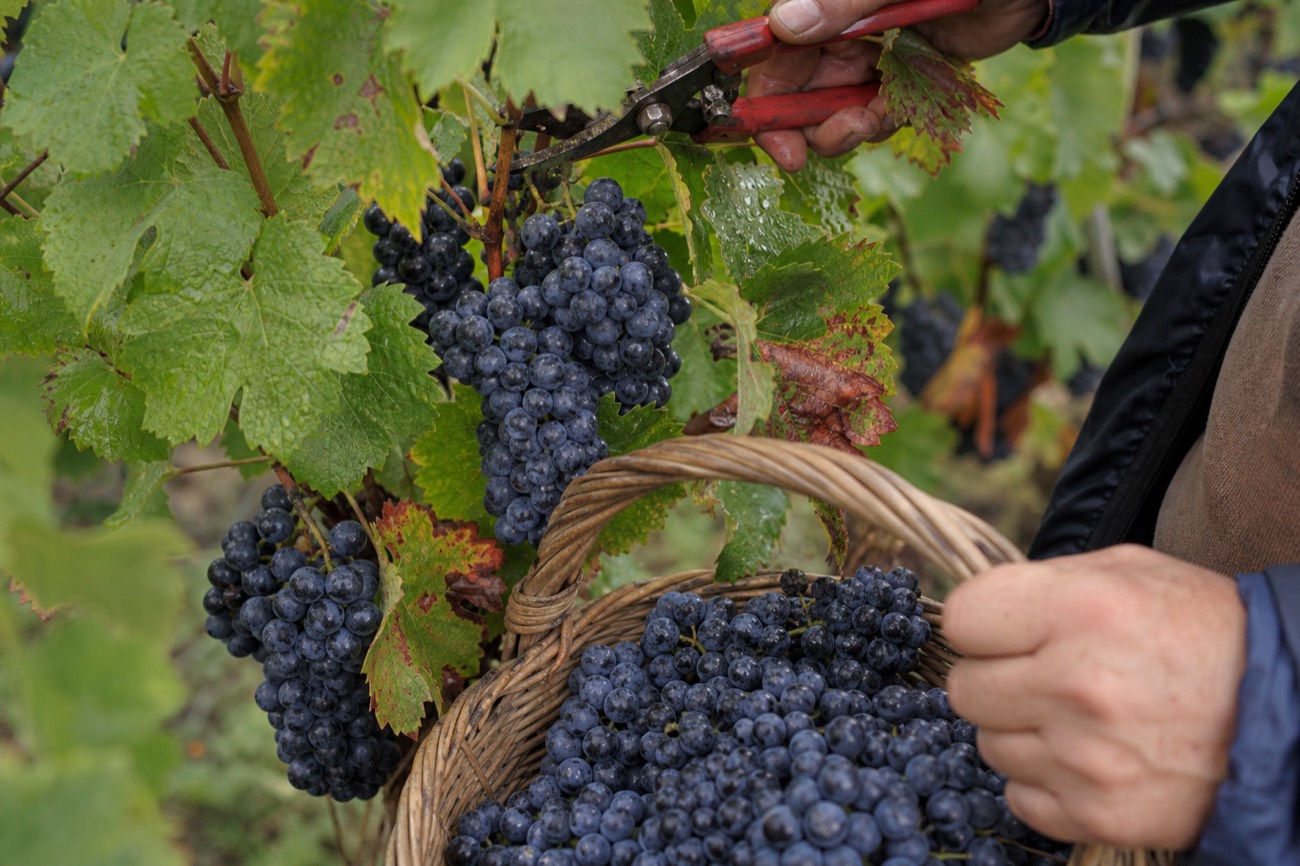
It helps to separate two things that often get bundled into one "best time" question: the best weather window, and the best window for seeing the wine actually being made. They overlap in September but not always elsewhere. May and June are unambiguously the best weather window, mild days, blooming vines, low humidity, without any of the harvest-season logistics some travelers find distracting, like equipment and workers moving through the rows. Harvest season, by contrast, is the best window for atmosphere and story, watching grapes come in, talking to estate staff about the vintage, sometimes tasting a just-pressed juice, but it comes with slightly less predictable scheduling at working estates and a narrower window before the weather turns wet in November.
Bordeaux's wine region sits on the Gironde estuary in southwest France, and its maritime climate is part of why the shoulder seasons work so well: the ocean's moderating effect keeps spring and autumn mild rather than sharply cold, unlike inland wine regions further from the coast. That same maritime influence is also why the region stays wet through the winter months rather than turning to a dry cold, which matters more for a wine-touring trip than it might seem, since rain (not just temperature) is what actually keeps some visitors indoors.
Month by month: what actually changes across the year?
Bordeaux's wine-touring conditions shift in three ways across the year: temperature and rain, how many other tourists are competing for the same tasting slots, and whether a given château is even running regular visits at all. Winter is the biggest variable, since some estates cut back or pause standard tours around the holidays and through the quieter months, while spring through autumn keeps things reliably open.
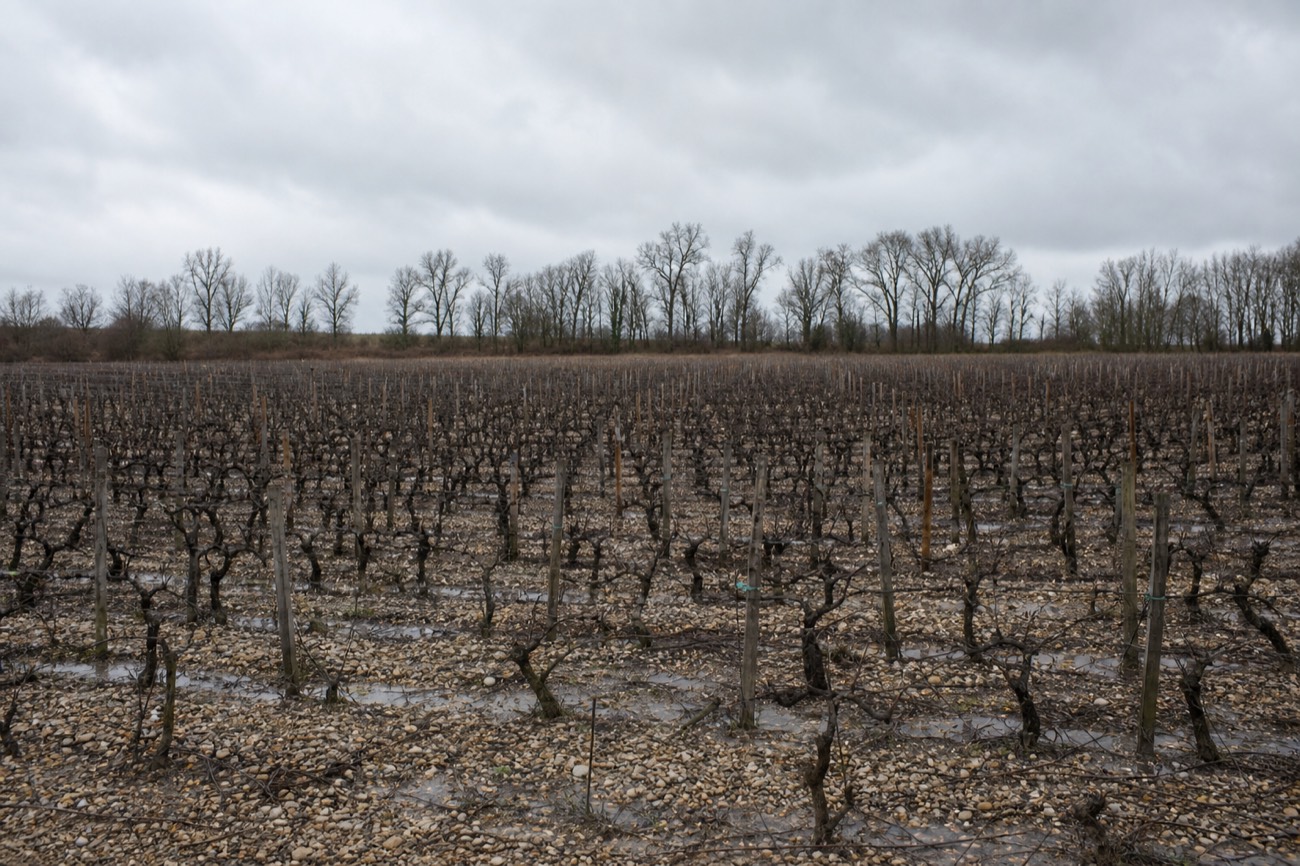
Reading the table below, the shape of the year comes into focus: a slow build from a quiet, wetter winter into a fully-open, warming spring, a hot and crowded midsummer peak, then a second calmer window in early autumn before the rain and the reduced château hours return in late November. That shape, cold and quiet, opening up, busy, calming down again, closing back up, is the same pattern most wine regions in temperate climates follow, but the specific months where each phase starts and ends are what make Bordeaux's calendar worth mapping out rather than guessing at.
| Month | Weather | Crowds | Château access |
|---|---|---|---|
| January | Cold, among the rainier months | Quiet | Reduced regular visits at many estates |
| February | Cold, still wet | Quiet | Reduced regular visits at many estates |
| March | Cool, transitioning | Quiet to moderate | Ramping back up toward spring |
| April | Mild, occasional showers | Moderate | Fully open; En Primeur futures week often falls here or in early spring |
| May | Mild, ~18-25C | Low to moderate | Fully open, vines blooming |
| June | Mild to warm, ~18-25C | Moderate, rising | Fully open |
| July | Warm to hot, avg ~21-22C, highs 26-28C | Peak tourist season | Fully open but tours can feel rushed |
| August | Hot, avg ~21-22C, highs 26-28C | Peak tourist season | Fully open, whites harvest begins late in the month |
| September | Warm, avg ~18-19C, highs ~24C | Fewer than midsummer | Fully open, harvest visible at most estates |
| October | Mild, avg ~18-19C, highs ~24C, rain increasing | Low to moderate | Fully open; Sauternes harvest still underway |
| November | Cool, among the rainier months | Quiet | Some estates begin reducing regular visits |
| December | Cold, rainiest stretch of the year | Quiet | Many estates reduce or close around the holidays |
Scored on weather, château access and crowd levels for wine touring specifically: May, June, September and October come out on top, July-August score well but carry a crowd caveat, and November through February score lowest as châteaux cut back regular visits.
When does the harvest actually happen?
Harvest, or vendange, typically starts in late August with the white grape varieties, Sauvignon Blanc and Sémillon, picked first, followed by Merlot in mid-to-late September and then Cabernet Sauvignon. Sauternes is the outlier: because its sweet wines depend on botrytis (noble rot) developing on the grapes, that harvest happens later and in multiple selective passes, often stretching into October and November as pickers return through the vines repeatedly to select only the affected berries.
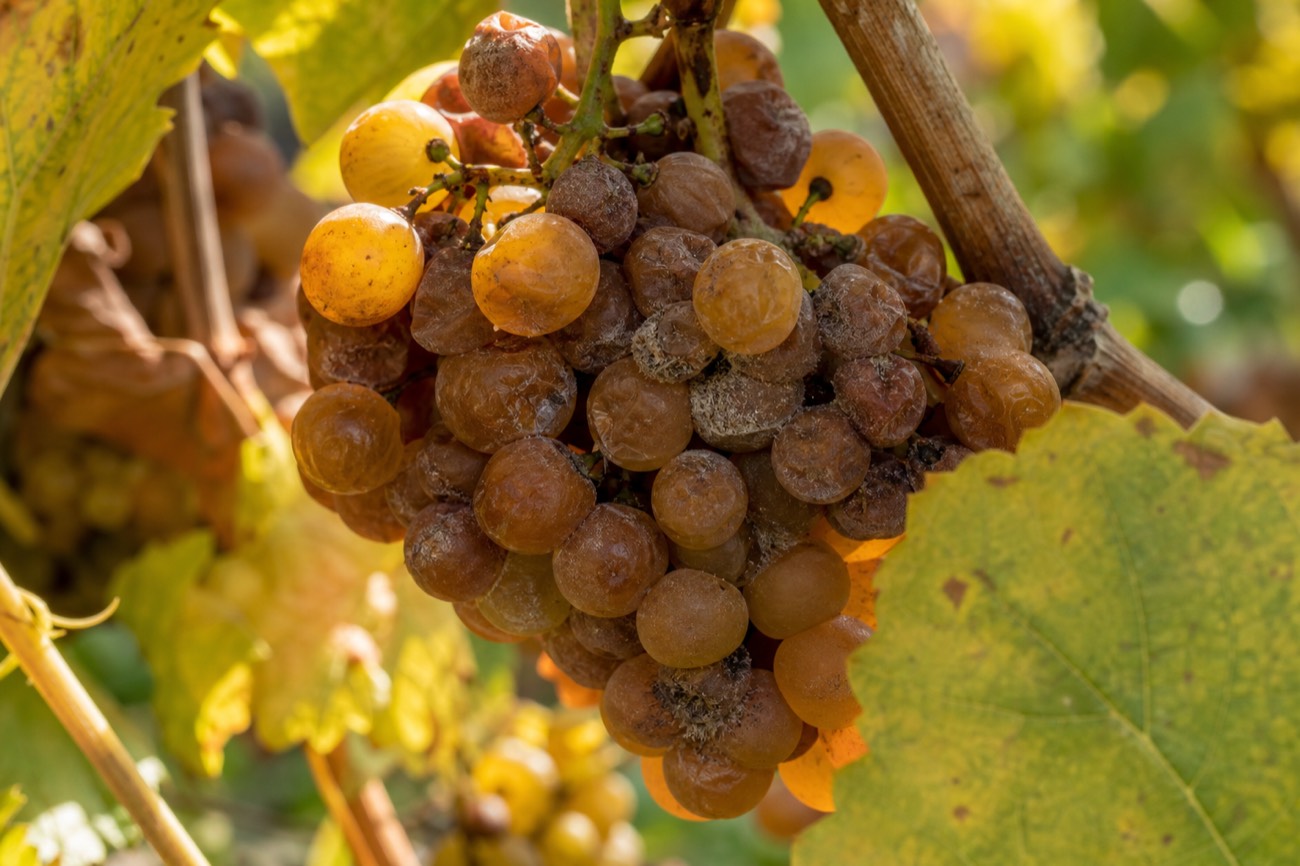
Harvest timing isn't fixed to the calendar, it shifts with the growing season each year. The 2025 harvest was one of the earliest and warmest in 30 years, with white grapes picked from around August 15-26, notably ahead of a typical year. That variability is worth knowing if the goal is specifically to see harvest in progress: booking a September tour is a safe bet most years, but the exact start date can move earlier in a hot, early-ripening year like 2025.
The 2025 vintage is a useful real example of just how much that start date can shift. A warm growing season pushed ripening ahead of schedule across the region, and estates that in a cooler year might not have started picking whites until early September were already in the vines by mid-August. That kind of early, warm vintage tends to compress the whole harvest calendar: whites finish sooner, red harvest can start earlier too, and the whole window that would normally stretch comfortably across September can end up front-loaded into its first half. None of that changes the general planning advice, September remains the safest single month to target, but it's a reminder that "typically late August" is a pattern, not a guarantee, and a trip planned around watching harvest specifically benefits from checking closer to the date rather than locking in a fixed week many months out.
| Stage | Typical timing | What's happening |
|---|---|---|
| White grape harvest (Sauvignon Blanc, Sémillon) | Late August | First grapes picked; can start earlier in a warm year, as in 2025 |
| Merlot harvest | Mid-to-late September | Right Bank estates (Saint-Émilion, Pomerol) lead here, since Merlot dominates those soils |
| Cabernet Sauvignon harvest | Late September into October | Left Bank estates (Médoc) follow, since Cabernet ripens later |
| Sauternes harvest | October-November, multiple passes | Selective picking as botrytis develops unevenly across the vines |
For visitors who want to see harvest activity, September is the most reliable single month: whites are typically finished or finishing, reds are actively being picked depending on the estate, and the weather is still warm without midsummer's crowds. The 3 wineries tour with a gourmet picnic runs across multiple sub-regions and tends to fill up specifically in September and October, worth booking ahead if harvest season is the target.
Does the sub-region you're visiting change the best timing?
Yes: because the Left Bank and Right Bank ripen different grape varieties on different timelines, a visit built specifically around watching Merlot come in should lean toward mid-September, while one built around Cabernet Sauvignon or Sauternes should lean later, into late September through November. This is a level of detail most general "best time to visit Bordeaux" advice skips, but it matters for anyone whose main interest is the harvest itself rather than just good weather.
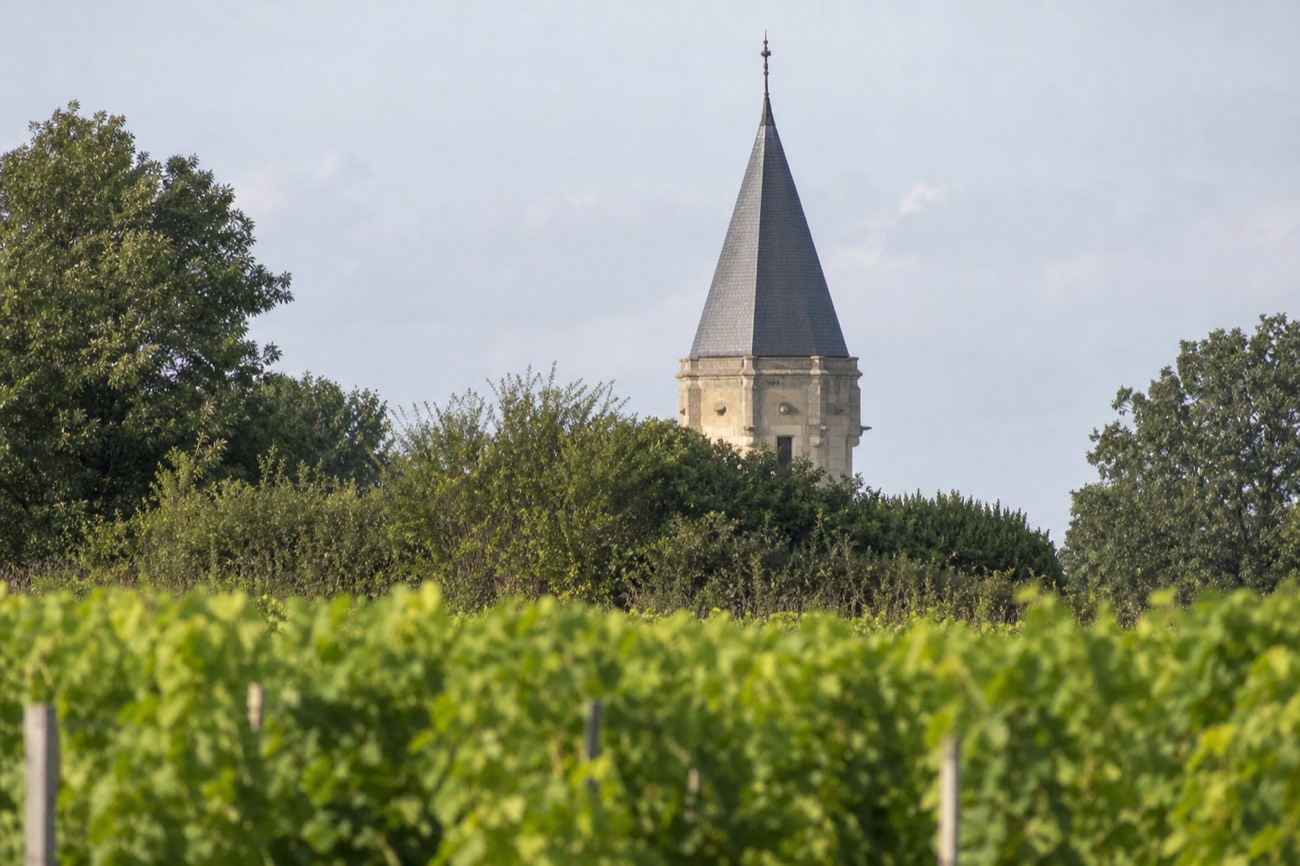
The guide to Bordeaux's wine regions covers the Left Bank/Right Bank split in full, but the short version for timing purposes: the Right Bank, Saint-Émilion and Pomerol, grows mostly Merlot on clay and limestone soils, which ripens earlier, so harvest activity there tends to be well underway by mid-September. The Left Bank, the Médoc, Graves and Pessac-Léognan, is dominated by Cabernet Sauvignon on gravel soils, a variety that needs more time on the vine, pushing its harvest into late September and through October. Sauternes, in the Graves area, runs latest of all, since its botrytis-affected grapes are picked in multiple selective passes that can continue into November.
| Sub-region | Dominant grape | Typical harvest window | Best month to see it |
|---|---|---|---|
| Saint-Émilion, Pomerol (Right Bank) | Merlot | Mid-to-late September | Mid-to-late September |
| Médoc, Haut-Médoc (Left Bank) | Cabernet Sauvignon | Late September into October | Late September, early October |
| Graves, Pessac-Léognan | Mixed red and white | September into October | September |
| Sauternes | Sémillon, Sauvignon Blanc (botrytis-affected) | October-November, multiple passes | October |
None of this means a September trip only makes sense for one sub-region, most tours that visit both banks in a single day, like the private Citroën DS Médoc tour, will show harvest activity somewhere along the route through most of September and October regardless of exactly which estate is picking that specific day. The table above is more useful for travelers with a narrow window who want to maximize the odds of seeing a specific variety actually being picked.
What's En Primeur, and does it affect a tour visit?
En Primeur is Bordeaux's spring futures week, when the previous year's vintage is tasted from barrel before it's bottled, and it typically happens in April: the 2025 vintage was tasted April 20-23, 2026. It's primarily a trade event, wine merchants, critics and buyers assess the young wine and place advance orders, but it does add a burst of activity to the region's calendar each spring.
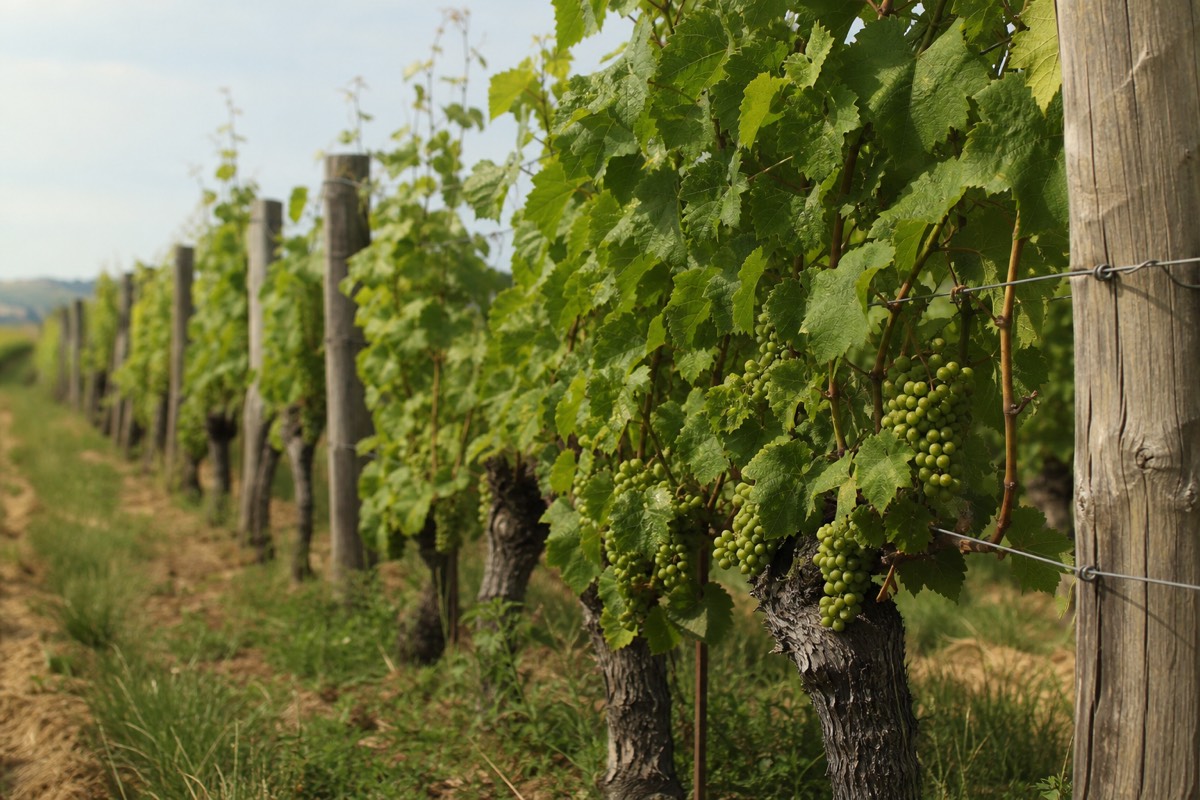
For a typical wine-tour visitor, En Primeur week itself isn't something to plan a trip around unless there's a specific trade interest, but its timing is a useful marker: it confirms that spring, particularly April into May, is a season when estates are active and welcoming visits, not a quiet off-season. Some châteaux do get busier with trade visitors during En Primeur week specifically, which is a minor factor worth knowing if booking a tasting in that exact window.
What En Primeur really signals for a leisure traveler is less about the week itself and more about what comes right after it: April moves the region firmly out of winter's reduced-hours pattern and into the full spring season that runs through the shoulder-season sweet spot of May and June. A trip booked for late April or early May lands just after the trade rush and squarely inside the best weather window, blooming vines, mild temperatures, wineries at full operating capacity, without needing any interest in the futures market itself.
| Event | Timing | Relevance to a tour visit |
|---|---|---|
| En Primeur (futures week) | Spring, typically April | Trade-focused; signals estates are active and open, minor extra activity at some châteaux |
| White grape harvest begins | Late August | First real harvest activity visible to visitors |
| Peak red harvest | Mid-September to October | Best window to see active picking across most sub-regions |
| Sauternes selective harvest | October-November | Later, multi-pass harvest, botrytis-dependent |
| Holiday season closures | Late December | Some estates reduce or pause regular visits |
Should you visit in peak summer anyway?
July and August are the warmest and busiest months, with average temperatures around 21-22C and highs of 26-28C, and while every château stays open, the volume of visitors can make tastings feel rushed and less personal than in the shoulder seasons. Summer isn't a bad choice, it's simply the tradeoff of school-holiday scheduling: if summer is the only time available, it still delivers a full, warm, functioning wine season, just a busier one.
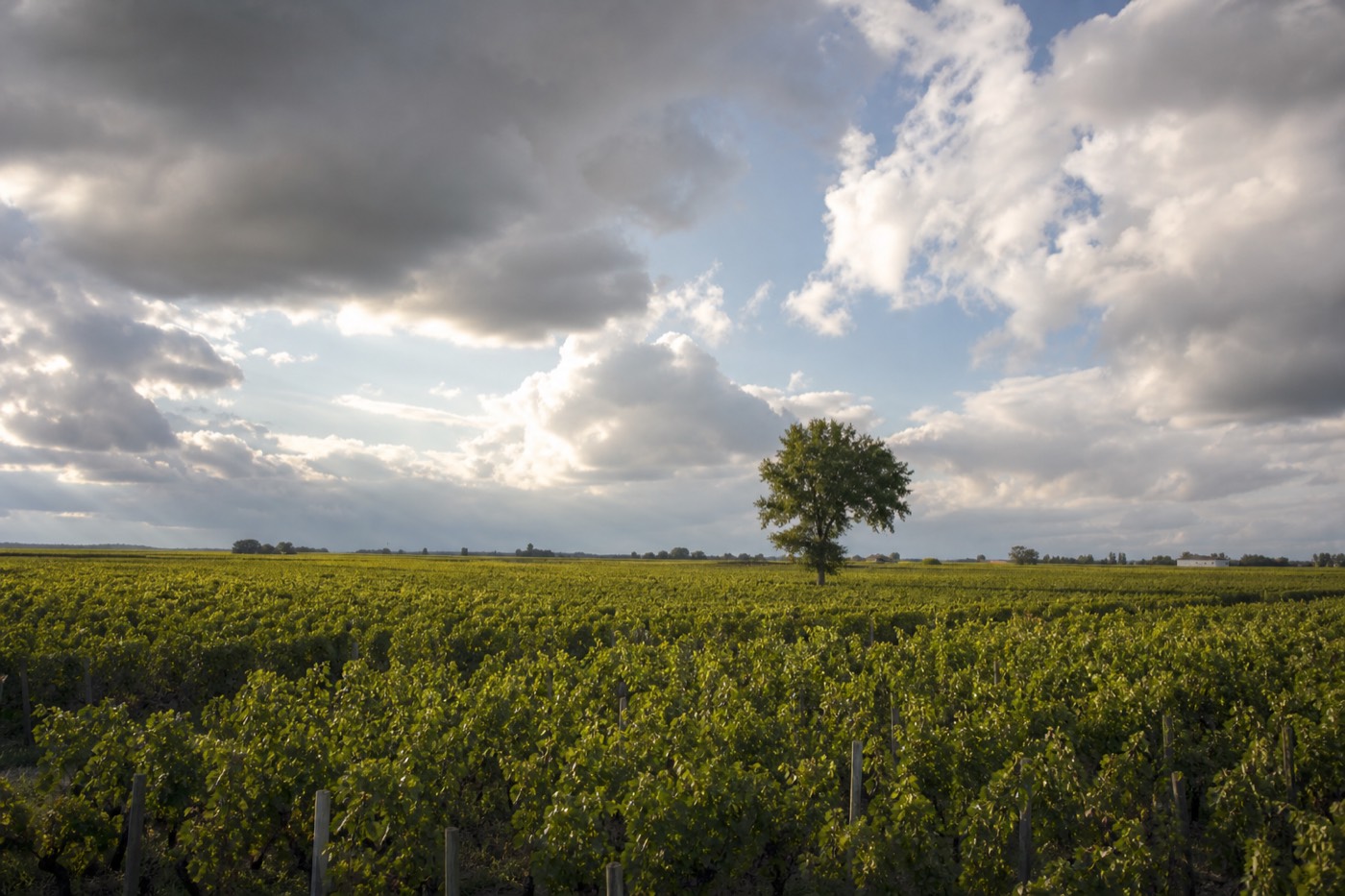
Anyone locked into a July or August trip can offset the crowd factor by booking mid-week rather than weekends, and by choosing smaller-group or private formats over the busiest group tours; a private Médoc tour keeps the pace personal regardless of season. The flagship Médoc or Saint-Émilion half-day château tour, the featured tour on the site, does fill on summer weekends specifically, so booking a few weeks ahead matters more in July-August than in the shoulder months.
The heat itself is rarely extreme by southern-European standards, average summer temperatures of 21-22C with highs in the high 20s are warm rather than punishing, and most tours build in shade at cellar visits and time indoors for the actual tasting. What summer changes is less the comfort of the day and more its pace: popular estates schedule more groups back to back, parking fills earlier at the châteaux that allow self-drive visits, and a walk through central Bordeaux's Old Town streets shares the pavement with more fellow travelers. None of that makes summer a poor choice, but it does mean the shoulder-season quiet described earlier is specifically what's being traded away.
How far ahead should you book depending on the season?
Book earliest for summer weekends and for September-October harvest season, since both are when demand peaks, and give yourself more lead time again for any prestigious or classified estate regardless of month, since those bookings depend on the estate's own limited calendar rather than general tourist demand. Shoulder-season weekdays in May, June or early October are the most forgiving to book close to the date.
| Trip type / season | Recommended lead time | Why |
|---|---|---|
| Flagship half-day tour, summer weekend | Several weeks ahead | The site's featured tour fills specifically on summer weekends |
| Full-day 3-winery tour, September-October | Several weeks ahead | Fills during harvest season as demand for that window rises |
| Prestigious or classified-growth château tasting, any season | 2-6 weeks ahead | The private Citroën DS tour's own listing recommends this lead time for prestigious estates specifically |
| Shoulder-season weekday (May, June, early Oct) | A few days to a week | Lower overall demand, more availability closer to the date |
| Winter (Nov-Feb) | A few days ahead is usually enough | Lowest demand, though check individual estate/tour availability first since some reduce hours |
What about winter, does anything actually happen?
Late fall and winter, roughly November through February, bring the fewest crowds and the lowest prices, but many châteaux reduce or pause their regular visiting programs, particularly around Christmas and New Year, and October through December is the rainiest stretch of the year. Winter isn't the season to plan a wine-touring trip around unless flexibility on which estates are open matters less than avoiding crowds and cost entirely.
| Months to avoid for a wine-focused trip | Why |
|---|---|
| December | Rainiest month of the year; many estates reduce or close around the Christmas and New Year holidays |
| January, February | Cold, still among the wetter months, reduced regular visiting programs at many châteaux |
| Peak weekends of July-August (for crowd-sensitive travelers) | Not closed, but the busiest weeks, tastings can feel rushed and less personal |
"Avoid" is relative here, none of these months make a Bordeaux trip impossible, and a traveler with fixed dates in December or January can still see the city, taste in-city, and check individual château availability rather than assume the whole region is shut. But if the calendar is flexible at all, shifting even a few weeks toward the shoulder seasons removes most of the friction these months carry.
That said, winter isn't a dead season for the city itself. Bordeaux's Old Town, its museums, and its indoor tasting experiences keep running year-round regardless of vineyard access. In-city options like the wine and cheese tasting class or the Chartrons wine and cheese walk don't depend on château opening hours at all, which makes them the more reliable choice for anyone visiting in the quieter months. For a broader sense of what fills a Bordeaux trip when vineyard access is limited, see things to do in Bordeaux beyond wine tasting.
A traveler landing in Bordeaux in, say, February for other reasons, a broader France trip, a work stop, family visit, shouldn't assume the wine side of the trip is off the table entirely. It just means checking château-specific availability before counting on a vineyard tour, rather than assuming, as is safe to assume from April through October, that regular visiting hours will simply be running. The lower crowd levels that come with the quieter months are a genuine upside for anyone who dislikes queuing at popular sites or wants a more personal pace at whichever tasting rooms are open.
How should you pick your travel month?
Match the month to the priority: pick late May or June for the mildest weather and blooming vines, September or early October for harvest atmosphere with fewer crowds, July-August only if summer dates are fixed by school holidays, and avoid November through February unless minimizing cost and crowds matters more than château access. There's no single wrong month for a Bordeaux wine tour, some just require more planning around closures or crowds than others.
| Priority | Best months |
|---|---|
| Mildest weather, fewest crowds | Late May, June |
| Harvest atmosphere | September, early October |
| Sauternes harvest specifically | October into November |
| Only option is summer school holidays | July, August (book ahead, expect crowds) |
| Lowest cost and crowds, flexible on château access | November through February |
Whichever month ends up working, the choice of tour format matters as much as the season. A short, in-city tasting class works in essentially any month since it doesn't depend on château hours or weather, while a full-day picnic lunch in the vines is naturally better suited to the warmer, drier months from May through October. Anyone torn between the Left Bank and Right Bank as much as between months should also weigh which sub-region's grape and harvest timing lines up with their travel dates, using the sub-region table above as a starting point rather than picking a destination and a date independently of each other.
Reading up on Médoc or Saint-Émilion: which tour to book or the broader best Bordeaux wineries and châteaux to visit guide helps narrow that down before checking the full list of Bordeaux wine tours for current availability in your chosen month. And if the schedule allows for it, pairing the trip with a day or two beyond the tastings themselves rounds it out the visit regardless of which month you land on.