Saint-Émilion Day Trip from Bordeaux: What to Know
Saint-Émilion sits about 40 minutes east of Bordeaux, and it rewards more than a rushed afternoon: a church carved from solid rock, quarries underneath the streets, and vineyards that produce some of the Right Bank's most recognized wine.
Time budget: two ways to spend the day
Durations for the two Saint-Émilion-focused tour formats on this site; the full-day e-bike format leaves the most time in the village itself.
What Is Saint-Émilion, and Why Does Every Bordeaux Itinerary Mention It?
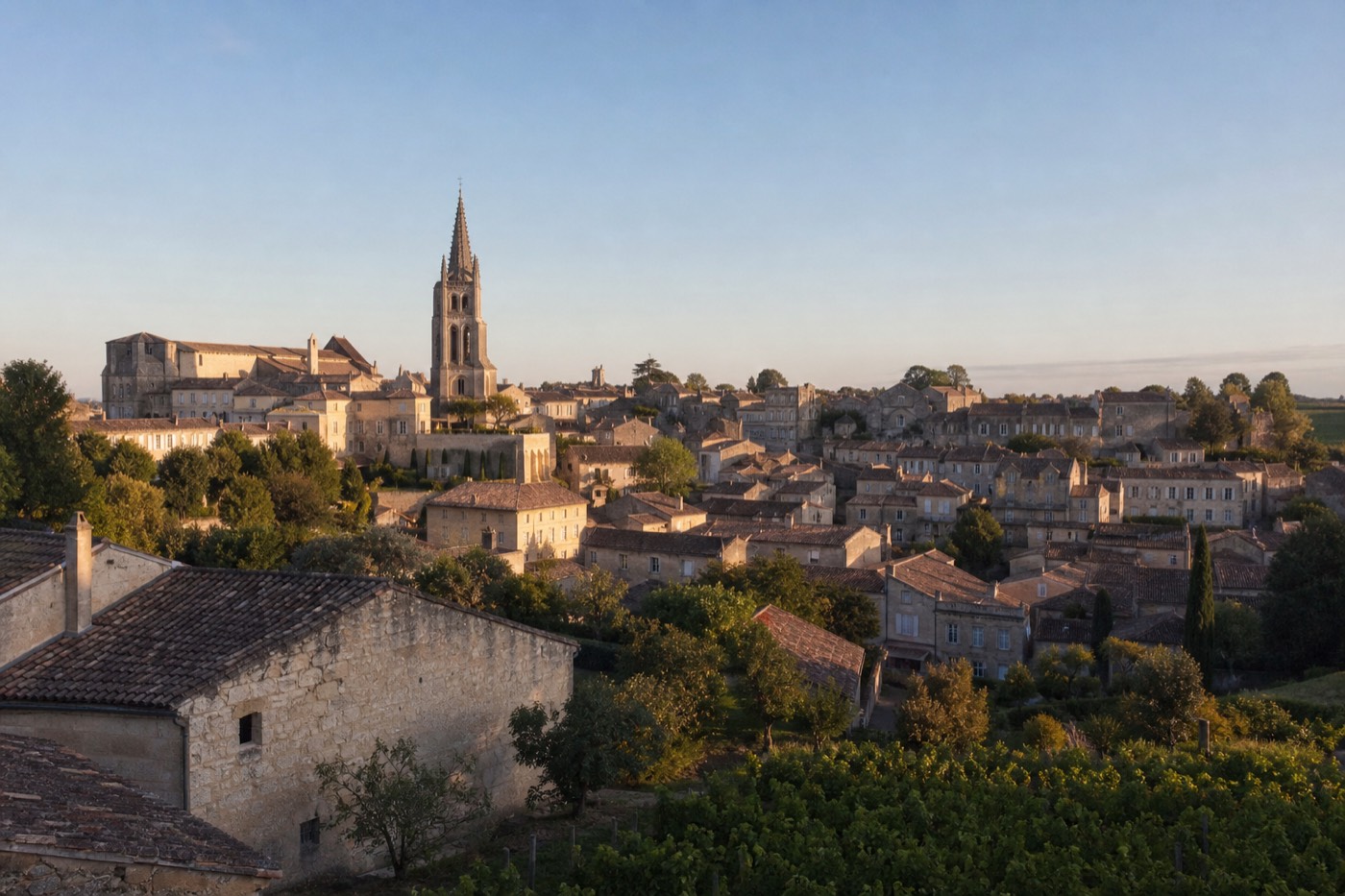
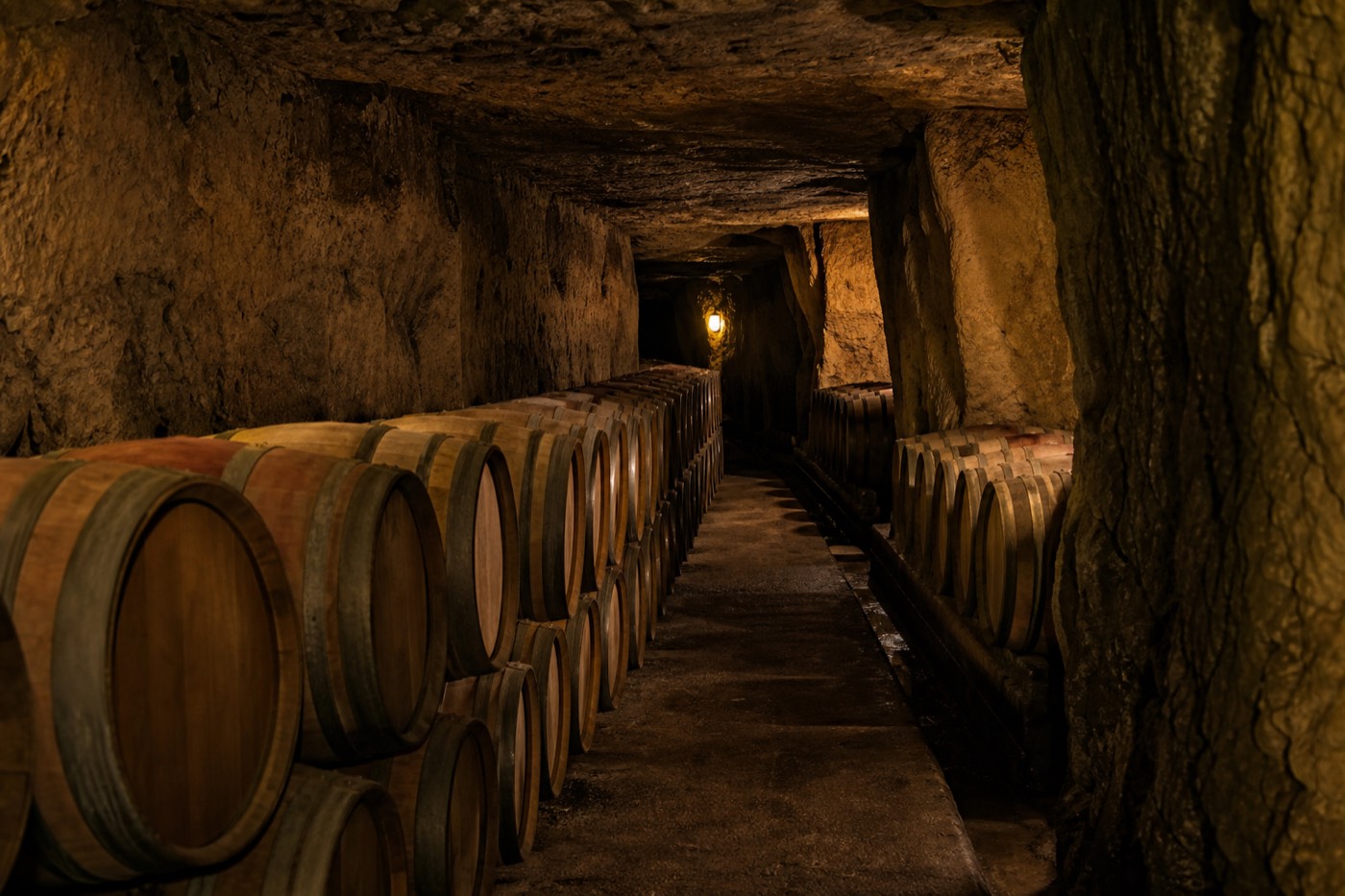
Saint-Émilion is a medieval village on a limestone plateau on Bordeaux's Right Bank, built into and out of the rock it stands on, and the whole cultural landscape has been a UNESCO World Heritage site since 1999, not just the wine. The centerpiece is the Monolithic Church, carved directly out of a single block of limestone between the 9th and 12th centuries, a nave 38 meters long and 20 meters high hollowed from solid stone rather than built up from it. Underneath the village runs a network of limestone quarries, dug out over centuries to supply building stone across the region and later repurposed by winemakers as naturally cool, humid cellars.
Use the options below to weigh choose your Saint-Émilion day. Start with the booking choice, or refine the shortlist after the guide.
Booking choice: Choose Médoc or Saint-Émilion when booking. One château, a guided tasting and French appetizers, with return minivan transport from Bordeaux. View Half-Day Château Tour
Above ground, cobbled streets climb and dip around the edge of the plateau, lined with stone houses, wine shops and a handful of restaurants that survive the off-season because locals actually eat there too. It is a genuinely walkable, photogenic place before a single glass of wine enters the picture, which is part of why it shows up on so many Bordeaux itineraries even for travelers who don't especially care about tasting notes.
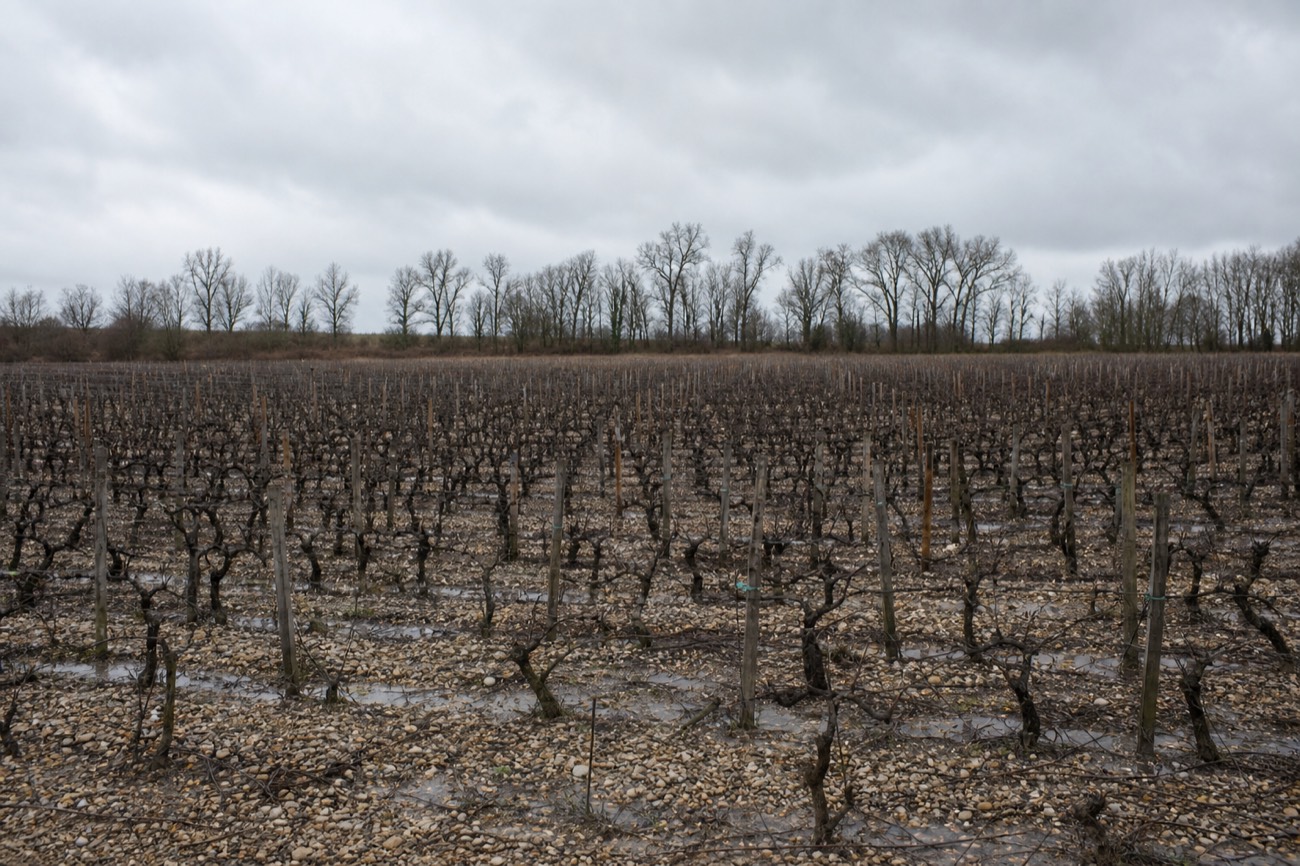
The wine is still the reason most people first hear the name, though. Saint-Émilion is Right Bank territory, meaning Merlot does most of the work in the vineyards rather than Cabernet Sauvignon, and the clay-limestone soils tend to produce rounder, more approachable reds than the structured, age-worthy wines the Médoc is known for on the opposite side of the water. For a fuller picture of how the two banks differ, the guide to Bordeaux's wine regions lays out the split, and the difference between Médoc and Saint-Émilion wine gets into what that actually means in the glass.
Geographically, the two banks are split by the water: the Médoc and Graves sit on the west side, Saint-Émilion and its close neighbor Pomerol sit east, and the whole region drains toward the Gironde estuary further downstream. That divide isn't just trivia. It's the reason the two sides taste different, since the soil and the grape mix change with it, and it's the reason a Bordeaux itinerary usually has to pick a side for any single day trip rather than trying to cover both. A handful of tours split the difference by combining a Médoc morning with a Saint-Émilion afternoon, but that makes for a long day heavy on driving, and it leaves less real time in the village itself than a Saint-Émilion-only day does.
How Do You Actually Get from Bordeaux to Saint-Émilion?
Most visitors go one of three ways: a guided tour with transport built in, a regional train to Libourne followed by a taxi, or a self-drive rental car, and for a single day trip the guided option removes the most friction. Saint-Émilion sits somewhere in a 30 to 60 minute drive from central Bordeaux depending on the route and traffic, with roughly 40 minutes being a fair typical figure. None of the three is objectively wrong. They just suit different travelers and different budgets.
| Option | Time each way | What's included | Best for |
|---|---|---|---|
| Guided tour | Roughly 40-45 minutes, built into the tour | Round-trip transport, a driver, a guide, and 1-2 château visits with a tasting | Travelers who want someone else to drive and pour |
| Train + taxi via Libourne | Variable, needs timetable planning | A regional train to Libourne, then a taxi into the village | Independent travelers happy to build their own day on arrival |
| Self-drive rental car | Around 40 minutes direct | Full flexibility; typical rental runs roughly EUR 40-70 per day | Travelers comfortable finding parking and staying sober enough to drive home |
The guided route bundles the transport with the actual point of the trip: tastings at one or two châteaux, plus a guide who can put the Monolithic Church and the underground quarries into context rather than leaving you to read a plaque. The train-plus-taxi route works well for independent travelers who are happy improvising once they land in the village, though it needs a little pre-trip planning around timetables and lining up a taxi on the Libourne side. Self-driving hands you full control over timing but adds the job of finding parking near a village built for foot traffic, not cars, and it means one person in the group has to skip the tastings to drive everyone home. That last point matters more here than it sounds. Tasting wine and then getting back in a car is the exact problem a guided day is designed to remove, and it's covered in more depth in worth renting a car for Bordeaux wineries.
The train option deserves a slightly closer look since it's the one people most often underestimate. A regional service runs from Bordeaux Saint-Jean to Libourne, the town just below Saint-Émilion, and from there it's a short taxi ride up onto the plateau. It's a perfectly workable route for a traveler without a car who still wants to skip the guided tour, but it depends on connections lining up, and taxis around Libourne aren't always waiting at the station the way they would be in a bigger city. Anyone going this way should build in a buffer rather than cutting the return connection close, since missing the last convenient train back is a genuinely bad way to end a good day. Self-drivers, meanwhile, should know that parking fills up fastest right around the main gates into the old village, especially over a weekend lunch service, so arriving a little before midday rather than right at it tends to make the parking search shorter.
What Does a Realistic Day in Saint-Émilion Look Like?
A full day built around Saint-Émilion runs roughly eight and a half hours door to door on the e-bike tour to Saint-Émilion, mixing vineyard riding, two château visits, a seated lunch and free time to walk the village on foot. A half-day version compresses the same basic idea, one to two château stops and a guided tasting, into about 4.5 hours with round-trip transport included and no lunch.
| Time of day | What's happening |
|---|---|
| Morning | Depart Bordeaux, ride out through the vineyards toward Saint-Émilion, passing close to Château Cheval Blanc and Pétrus along the way |
| Mid-morning | First château stop: a cellar visit and a guided tasting |
| Midday | Seated lunch, included on the full-day format |
| Early afternoon | Second château stop and another tasting |
| Late afternoon | Free time in the village itself: the Monolithic Church, the underground quarries, the wine shops |
| Evening | Return to Bordeaux |
Either version leaves room to actually see the village rather than just tasting wine somewhere near it, which is the part visitors most often say they wish they had budgeted more time for. The Monolithic Church and the underground quarries both require a guided visit to go inside, since the rock itself makes casual wandering underground impractical, so if seeing them is a priority, build it into the plan for the day rather than assuming it will just happen during a coffee break.
Going underground is genuinely different from a standard cellar visit. Instead of walking into a purpose-built barrel room, the guide leads you into passages that were carved out of the plateau's soft limestone centuries before anyone thought to age wine down there, cool, quiet, and lit only enough to make out the tool marks in the rock overhead. The Monolithic Church sits directly above one of these excavated spaces, and the two together explain why this one small village earned a UNESCO designation that plenty of larger, better-known towns in France don't have. It's a slower, more physical kind of sightseeing than most château visits, walking rather than sitting through a tasting, and it tends to be the part of the day people remember most clearly afterward.
The half-day format follows a tighter version of the same shape: transport out, one château stop with a cellar tour and a seated tasting, a second stop or straight into the village depending on the specific itinerary, and enough free time at the end to see the church and walk the ramparts before heading back. It doesn't include the lunch or the second full château visit the e-bike day builds in, but it fits into an afternoon rather than eating the whole day, which matters if Saint-Émilion is one stop on a longer Bordeaux stay rather than the main event.
What's Walkable in the Village, and What Needs a Car or a Bike?
The village core itself, the church, the quarries, the ramparts, the wine shops and the viewpoint over the vineyards, is entirely walkable and compact enough to cover on foot in a couple of hours; the châteaux and vineyards that made the place famous sit outside that core and need wheels to reach. This is the split that trips people up when they picture "visiting Saint-Émilion" as a single activity instead of two connected ones.
| In the village (walkable) | In the surrounding vineyards (needs transport) |
|---|---|
| The Monolithic Church | Château Cheval Blanc, a Right Bank landmark visible from the road |
| The underground limestone quarries | Château Pétrus, another Right Bank landmark visible from the vineyard roads |
| Medieval streets and ramparts | Estates offering guided tastings |
| Wine shops and négociants | The vineyard rows and plateau views the e-bike route covers |
Château Cheval Blanc and Pétrus, two of the Right Bank's most recognized names, sit in the vineyards surrounding the village rather than inside it, visible from the road or a bike path but not set up for casual walk-in tastings. That's a pattern that holds across most of Bordeaux's best-known estates, not just these two: the best Bordeaux wineries and châteaux to visit guide covers which estates around the region do take visitors and roughly what that involves.
The reason for the gap between what's famous and what's visitable comes down to scale. Estates like Cheval Blanc and Pétrus produce a relatively small volume of wine compared to demand, sell most of it through the trade rather than direct to consumers, and have little practical reason to run a public tasting room the way a mid-sized family estate does. That's not unique to Saint-Émilion. The same logic applies to the most sought-after names in the Médoc's 1855 Classification, which is why both banks require the same workaround: either build a relationship with an estate over time, or visit on a Médoc or Saint-Émilion château tour that has already done the arranging.
What the village core does offer, without any advance planning, is the wine shop and négociant scene along the main streets. These shops sell bottles from across the appellation, including many of the smaller estates that don't have their own visitor-facing tasting room, and staff who can talk through what's actually good that vintage. It's a reasonable way to taste more broadly than a single tour allows, especially in the free time built into the second half of the day, and it doesn't require booking anything in advance.
Is the e-Bike Tour Worth Choosing Over a Standard Half-Day Tour?
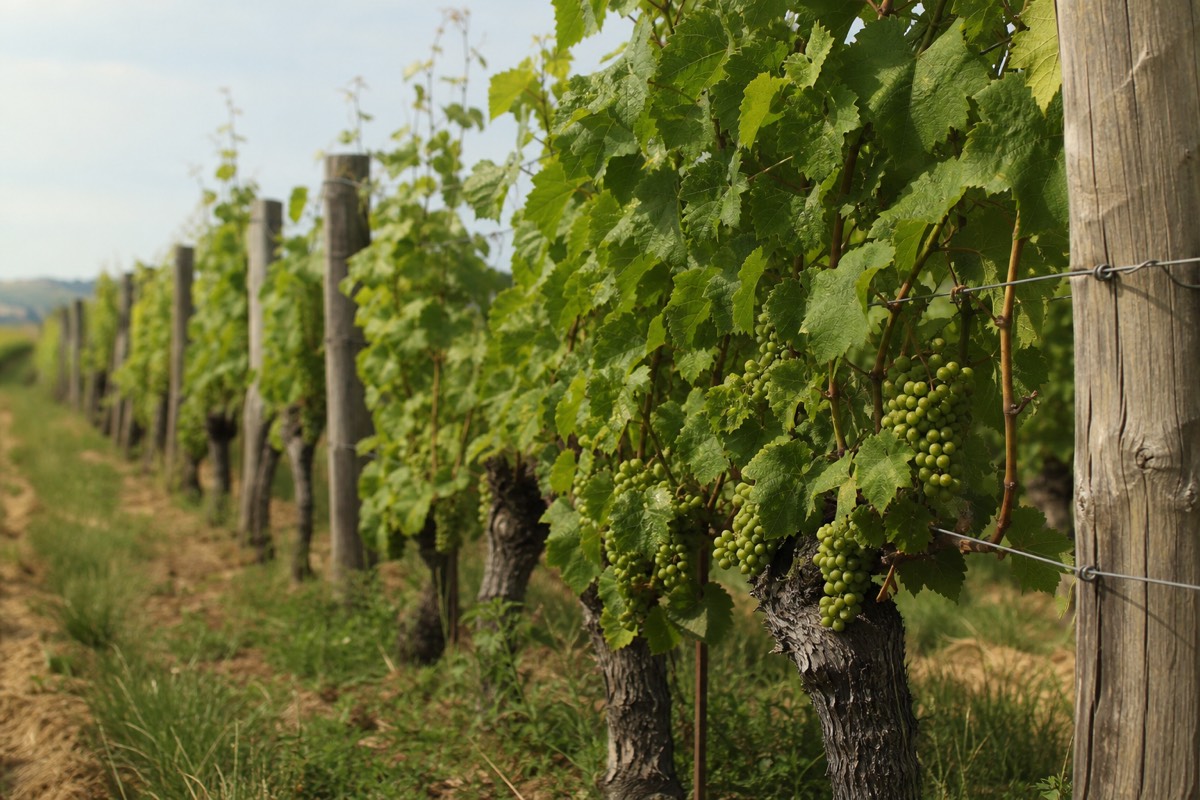
If Saint-Émilion is the whole point of your day rather than one stop among several, yes: the e-bike tour runs 8.5 hours, rides through the vineyards past Château Cheval Blanc and Pétrus at ground level, and still leaves free time in the village, against 4.5 hours on the half-day format. It currently holds a 4.9 rating from close to 2,000 bookings, and the pace is notably more active than a standard minivan tour.
| e-Bike tour | Half-day château tour | |
|---|---|---|
| Price | Check the provider quote for your date, party and options. | Check the provider quote for your date, party and options. |
| Duration | 8.5 hours | 4 hours |
| Format | Full-day e-bike ride, 2 châteaux, lunch, free village time | 1-2 châteaux, guided tasting, cheese and charcuterie pairing |
| Region | Saint-Émilion only | Choice of Médoc (Left Bank) or Saint-Émilion (Right Bank) |
The trade-off is straightforward: a full day and some cycling versus a shorter, seated, more passive half-day. The Médoc or Saint-Émilion half-day château tour is the far more booked of the two, in part because it lets you choose which side of the river to visit rather than committing to the Right Bank specifically, which matters if this is your only Bordeaux wine outing and you're still weighing Saint-Émilion against the Médoc. For help making that call, see Médoc or Saint-Émilion: which tour should you book.
What the e-bike format adds that a minivan can't is proximity. Riding along the paths between vineyard rows puts you at vine level rather than looking out through a window, close enough to see the actual condition of the fruit and the way the rows are trained, and the route passing near Cheval Blanc and Pétrus means you get a real sense of scale for two of the Right Bank's most talked-about properties even without going inside either one. It's a more physical day than most wine tours, with an electric assist to flatten out the effort, and it suits travelers who'd rather move through the landscape than be driven past it. The trade-off is pace: with two château stops, a full lunch and free village time all inside 8.5 hours, the day moves steadily rather than lingering, so this isn't the choice for anyone hoping to spend the whole afternoon at a single table.
| You are... | Best fit |
|---|---|
| Short on time, or not up for cycling | Half-day château tour |
| Set on making Saint-Émilion the whole day | e-Bike tour |
| Still deciding between the Médoc and Saint-Émilion | Half-day tour, since it lets you pick either side |
| Comfortable driving and want full control of the day | Self-drive rental |
How Much Time and Money Should You Budget?
Budget a minimum of 4.5 hours for a proper Saint-Émilion visit and closer to a full day if you want the village, the underground sites and more than one château without rushing; costs run from roughly a date-dependent price per person for a half-day tour up to a self-drive day where the car alone costs EUR 40-70. Neither figure includes souvenirs, extra bottles bought to take home, or a splurge lunch outside what's included on the full-day formats.
| Approach | Approx. cost | What it covers |
|---|---|---|
| Half-day guided tour | a date-dependent price per person | Transport, guide, 1-2 châteaux, a tasting, cheese and charcuterie pairing |
| Full-day e-bike tour | a date-dependent price per person | Bike, guide, 2 châteaux, lunch, free village time |
| Self-drive | EUR 40-70/day rental, plus free to EUR 20 per person per tasting | The car only; lunch, tastings and any guiding get arranged separately |
Self-driving looks cheapest on paper, but it shifts real work onto you: researching which estates near the village take walk-ins, arranging any tastings in advance, and finding lunch on your own since nothing is bundled in. A guided half-day tour costs more per person but removes almost all of that planning, which is a fair trade for a single day trip rather than a longer stay in the region.
It's worth budgeting a little beyond the tour price itself, too. Most travelers end up buying at least one bottle from a village wine shop to take home, and prices there vary hugely depending on the producer, from an easy weeknight red up to something meant for a special occasion. Extra tastings beyond what's included on a guided tour, if there's time for a stop at a second négociant, add a modest amount on top as well. None of this is required to have a full day, but it's the kind of small spend that adds up if you don't think about it going in.
What Should You Bring, and Any Other Practical Notes?
Comfortable shoes matter more here than almost anywhere else in the region, since the village's streets are steep, cobbled and occasionally slick after rain, and most of a Saint-Émilion day is spent walking or cycling rather than sitting in a car. Beyond footwear, the usual day-trip basics apply: water, sun protection in summer, and a layer for the underground sections, which stay noticeably cooler than the streets above.
Cash is worth carrying in small amounts for the smaller wine shops and independent négociants, some of which still prefer it for smaller purchases, even though most restaurants and the larger shops take cards without issue. If a château or cellar visit is on the plan, closed-toe shoes are the safer choice underground, and anyone prone to claustrophobia should know the quarry passages are enclosed, if well maintained and regularly walked by tour groups. None of this is complicated, but it's the kind of detail that's easy to overlook when the plan is built entirely around the wine.
When's the Best Time of Year to Make the Trip?
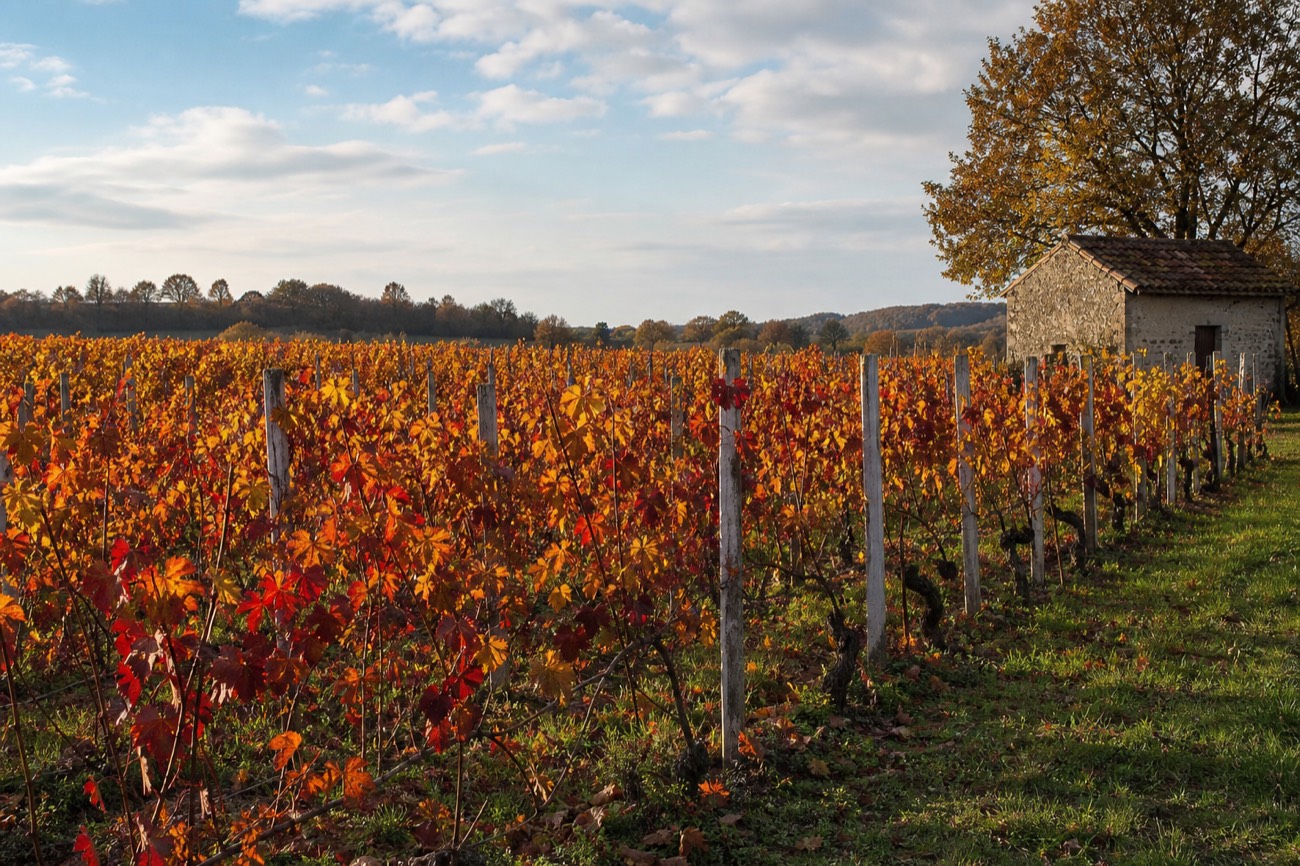
May-June and September into early October are the two strongest windows for a Saint-Émilion day trip: mild weather, fully open wineries, and noticeably fewer crowds than the July-August peak. September carries the added draw of harvest season, when the vines themselves are part of the scenery.
| Window | What to expect |
|---|---|
| May-June | Mild 18-25C, blooming vines, fewer crowds, wineries fully open |
| September-early October | Harvest season, the most atmospheric window, warm weather, fewer tourists than midsummer |
| July-August | Warmest and driest, but the busiest months; tours and the village itself can feel rushed |
| Late fall/winter | Quieter and cheaper, but many châteaux reduce or stop regular tours; cold and rainy |
Summer is when Saint-Émilion feels most like a day-trip factory: coach parking fills, the church and quarry tours can require a wait, and the narrow streets get genuinely crowded around midday. None of that ruins the visit, but it changes the character of it. Shoulder-season visitors tend to describe a quieter, more walkable village with the same church and the same cellars, just without the crowds. The full seasonal picture for the wider region, including what happens in winter, is in best time of year for a Bordeaux wine tour.
One honest caveat worth having up front: Saint-Émilion is a real destination in its own right, not a footnote to a Bordeaux trip, and some travelers come away preferring it to the Médoc precisely because the village gives you something to do beyond the tasting room. Others find it crowded with day-trippers and prefer the quieter, more spread-out feel of Médoc estates. Either reaction is normal, and is Saint-Émilion worth visiting takes a closer, more opinionated look at that exact question. For a broader sense of how a single day trip here fits into a longer stay, how many days you need in Bordeaux and is Bordeaux worth a day trip from Paris both cover the wider trip-planning question, and travelers coming from the capital can start with getting from Paris to Bordeaux before adding Saint-Émilion on top. Whichever format you land on, you can book a Bordeaux wine tour directly through the listings on this site.