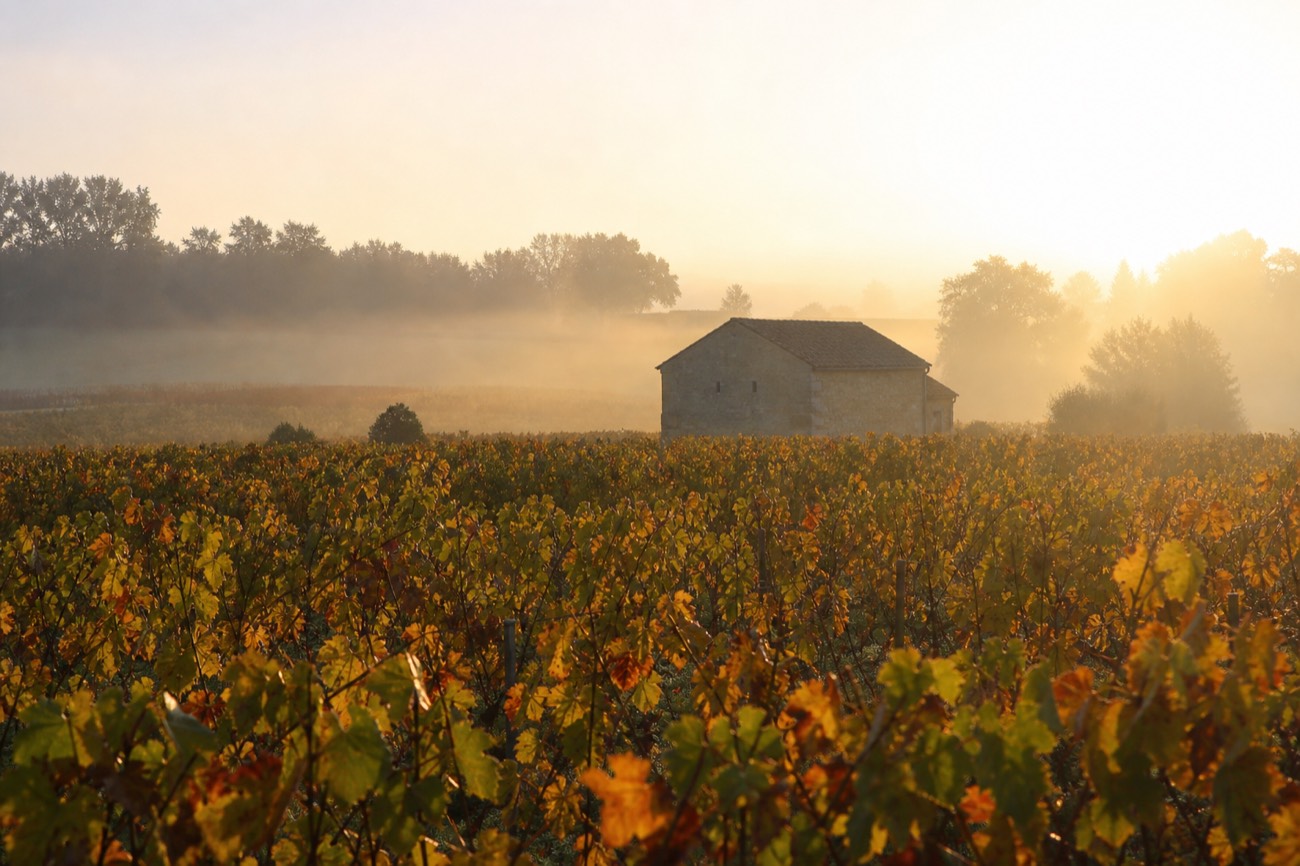
Graves & Pessac-Léognan: Bordeaux's Oldest Wine Region
Long before Margaux or Saint-Émilion had a reputation, Roman settlers were already planting vines on this stretch of gravel just south of the city. Everything else in Bordeaux wine started here.
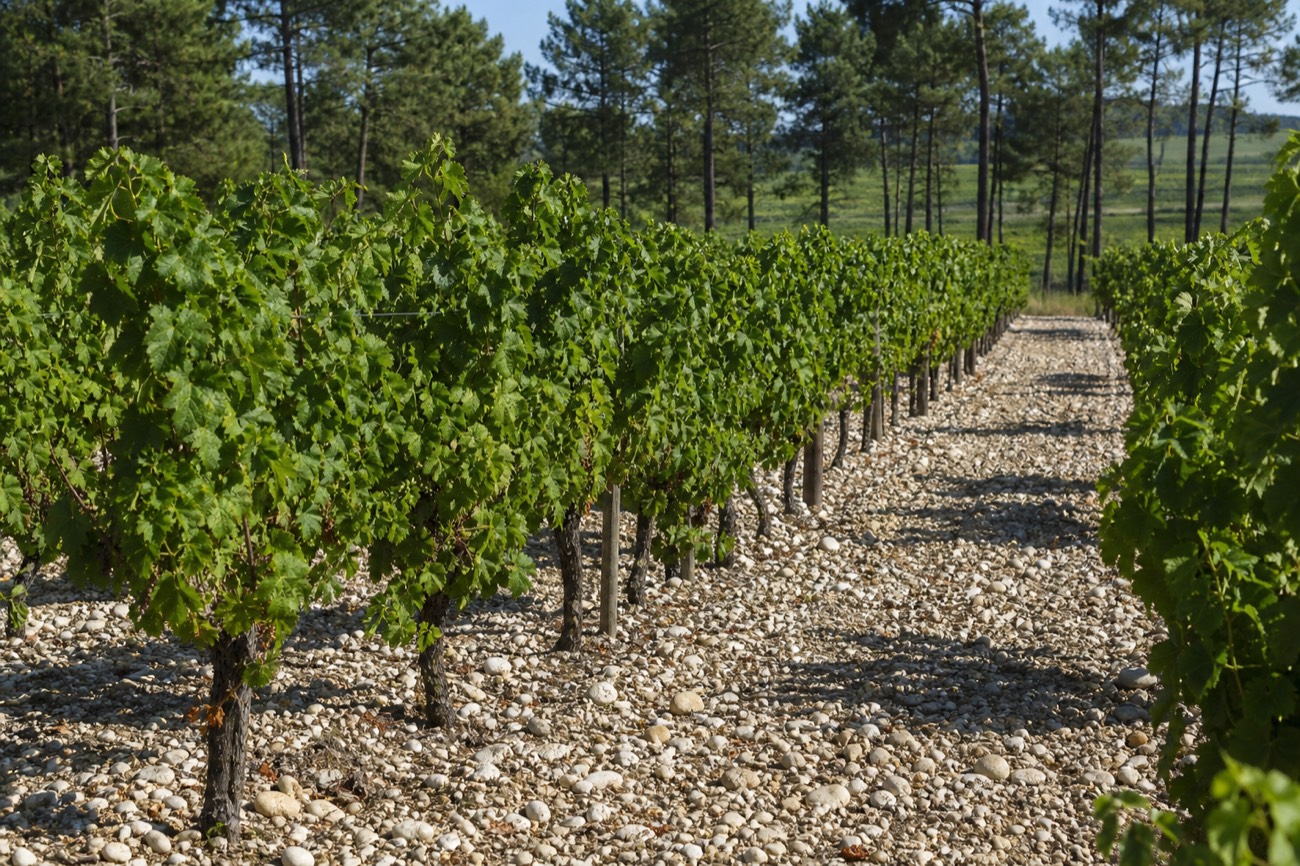
How close is Graves and Pessac-Léognan to Bordeaux, really
Approximate one-way drive times from central Bordeaux; Pessac-Léognan starts right at the city's own edge, and Graves proper extends further south.
Why is Graves considered Bordeaux's oldest wine region?
Graves is generally credited as the first part of Bordeaux planted with vines, with a winemaking history tracing back roughly 2,000 years to Roman settlers who recognized that its gravel soil, well-drained and poor in nutrients, was unusually good for growing grapes. Every other Bordeaux sub-region people talk about today, the Médoc included, developed its reputation centuries after Graves had already been producing wine.
Use the options below to weigh short Pessac visit or a wider wine day. Start with the booking choice, or refine the shortlist after the guide.
Booking choice: A 2.5-hour minivan outing to Château Luchey-Halde in Pessac-Léognan, including a guided visit and three wines. View Pessac-Léognan Château Visit
The name itself is the simplest clue: "graves" is the French word for gravel, and the appellation is named directly for the loose stone and pebble soil that defines it, deep ancient river gravel deposited by the Garonne over a limestone-and-clay base. That same gravel-over-clay structure, in a different arrangement, is also what makes the Médoc famous further north, but Graves got there first by roughly a thousand years or more.
The guide to Bordeaux's wine regions covers Graves and Pessac-Léognan briefly alongside Médoc, Saint-Émilion, Pomerol and Sauternes. This page goes deeper: the history, the châteaux that actually matter, the region's unusual red-and-white identity, and what a real visit involves.
What makes Graves unusual compared to every other Bordeaux region?
Graves is the one major Bordeaux appellation that produces serious quantities of both red and white wine side by side, rather than specializing almost entirely in one color the way the Médoc, Saint-Émilion and Pomerol do with red, or Sauternes does with sweet white. Most visitors arrive expecting Bordeaux to mean red wine exclusively; Graves is the region that corrects that assumption fastest.
The reds follow a broadly Left Bank profile, Cabernet Sauvignon-led blends built for structure, similar in spirit to Médoc reds though generally considered a touch softer and more approachable younger. The whites, made from Sauvignon Blanc and Sémillon, the same two grapes used in Sauternes just a short drive south, are made dry here rather than left to develop noble rot, producing crisp, often barrel-aged whites that stand as some of Bordeaux's most respected dry white wines. Tasting a red and a dry white from the same Graves estate, sometimes even the same visit, is a genuinely useful way to understand how differently these two grape families express themselves once winemaking choices, not just geography, enter the picture.
| Graves/Pessac-Léognan reds | Graves/Pessac-Léognan dry whites | |
|---|---|---|
| Dominant grape | Cabernet Sauvignon-led blend | Sauvignon Blanc and Sémillon |
| Style | Left Bank-style structure, generally softer young than Médoc reds | Crisp, often barrel-aged, dry rather than sweet |
| Compare to | Médoc reds, a similar grape base on similar gravel soil further north | Sauternes whites, the same two grapes just south, left to develop noble rot instead |
| Graves / Pessac-Léognan at a glance | |
|---|---|
| Grape mix | Red (Cabernet Sauvignon-led) and dry white (Sauvignon Blanc/Sémillon), both in real volume |
| Soil | Ancient river gravel over clay and limestone |
| Wine style | Left Bank-style structured reds; crisp, often barrel-aged dry whites |
| Historical role | Bordeaux's original wine-producing area, Roman-era origins |
What is Pessac-Léognan, and how is it different from the rest of Graves?
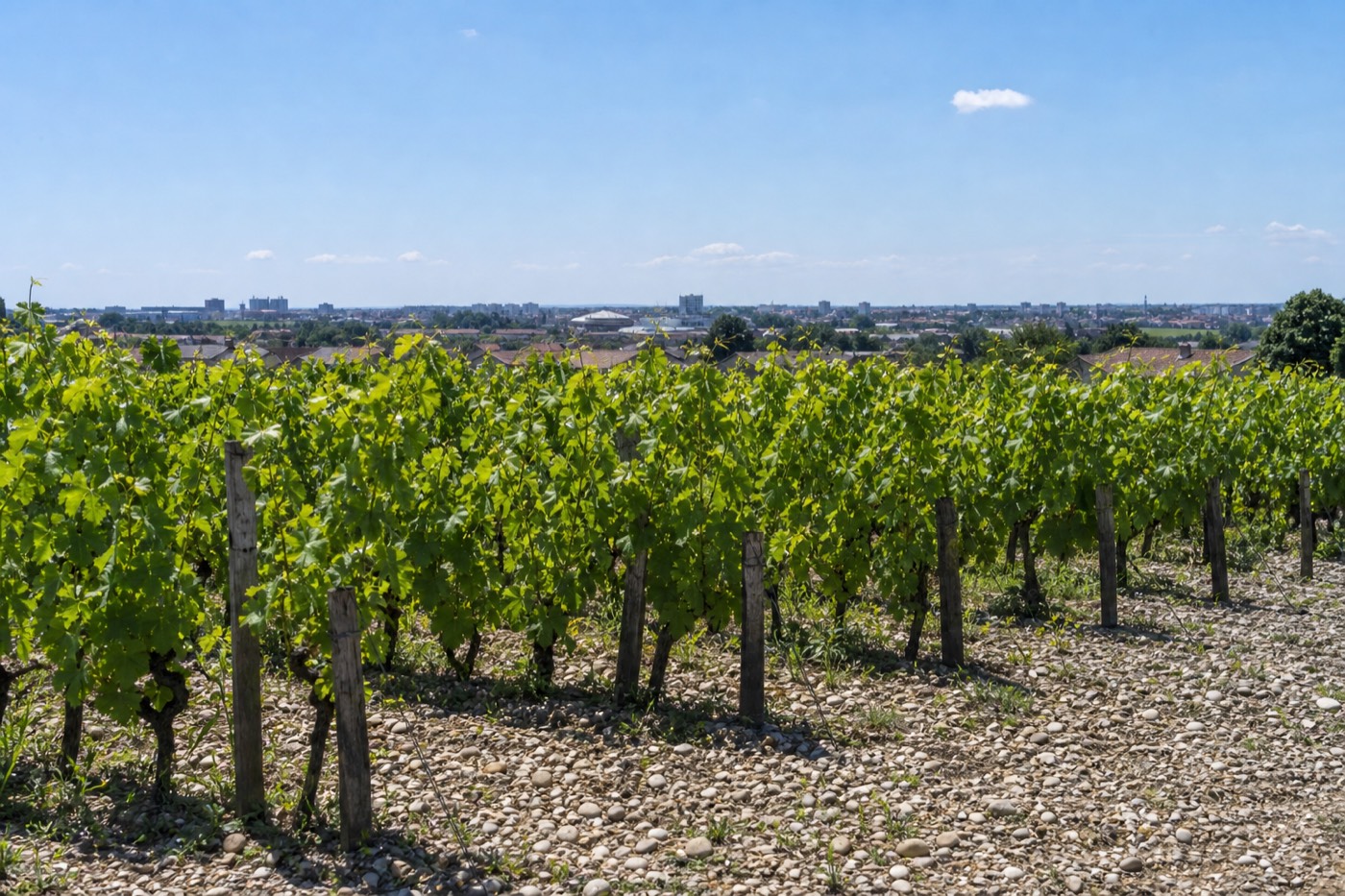
Pessac-Léognan is the northern end of Graves, carved out as its own separate appellation in 1987 after years of campaigning by the region's leading châteaux, and it now contains every estate from the historic Graves Classification, the region's own formal ranking system dating to 1953 and revised in 1959. Geographically it's the part of Graves closest to Bordeaux city itself; some of its vineyards sit close enough to the urban edge to feel almost suburban.
The split exists because the northern estates around Pessac and Léognan felt their reputation was being diluted by the broader, larger and less prestigious southern Graves appellation, and pushed for a name that would let their classified wines stand apart. The Bordeaux wine classification guide covers the Graves Classification itself in full detail, including how its roughly 16 ranked estates, unlike the Médoc's tiered First-through-Fifth Growth system, are simply classified or not, with no numbered ranking inside the list.
South of Pessac-Léognan, the broader Graves appellation continues the same red-and-white identity at a larger scale and generally more accessible price point, stretching down toward Langon and the edge of the Sauternes area. It's a useful middle ground for travellers who want Left Bank-style wine without First Growth prices.
| Pessac-Léognan | Graves (broader appellation) | |
|---|---|---|
| Created | 1987, carved from northern Graves | Older, encompasses the historic Graves area |
| Distance from Bordeaux | As close as the city's own edge (Pessac) | Extends further south, toward Langon |
| Classified estates | All ~16 Graves Classification estates sit here | Mostly unclassified, more accessible pricing |
| Best known for | Château Haut-Brion, Château Pape Clément, Smith Haut Lafitte | Broader, less individually famous producer base |
Which châteaux define this region, and can you actually visit them?
Château Haut-Brion is the historic anchor name, the only Graves estate included in the Médoc's famous 1855 Classification and the first Bordeaux château ever to build genuine international fame, and it runs a real, if appointment-only, visiting program rather than the trade-only access common at several Médoc First Growths. Château Pape Clément, the oldest continuously named property in Bordeaux, and Smith Haut Lafitte, one of the region's more consistently visitor-ready estates, round out the names worth knowing.
Haut-Brion's reputation predates almost every other famous Bordeaux name. English diarist Samuel Pepys wrote admiringly of drinking "Ho Bryan" wine in 1663, generally cited as the first written record of a specific Bordeaux château's wine earning individual fame abroad, over a century before the Médoc's other icon estates built comparable reputations. Today, visits run by appointment Monday to Friday mornings, last around an hour, and typically include Château La Mission Haut-Brion, the sister estate across the road under the same ownership. The estate has also opened a newer visitor centre, the Pavillon Catelan, home to La Cave tasting room. See Château Haut-Brion's own site for current booking details.
Château Pape Clément traces its name back to 1306, when Bertrand de Goth, the future Pope Clement V, founded the estate, making it the oldest continuously named wine property anywhere in Bordeaux. It holds Grand Cru Classé de Graves status and, unusually among the region's icon names, has also opened part of the château itself as a small boutique hotel, a detail the overnight château stays question covers in more depth. Smith Haut Lafitte, already covered in the famous Bordeaux châteaux guide alongside the Médoc's icon reds, remains one of the more consistently bookable classified estates in Pessac-Léognan, with guided tours from around 60 minutes up to a longer format, bookable directly or through established wine-tourism platforms.
| A rough timeline | |
|---|---|
| ~2,000 years ago | Roman settlers plant the first vines in what becomes Graves |
| 1306 | Château Pape Clément founded, the oldest continuously named property in Bordeaux |
| 1663 | Samuel Pepys writes admiringly of "Ho Bryan," an early record of a named château's wine gaining fame abroad |
| 1855 | Château Haut-Brion included in the Médoc's 1855 Classification, the only Graves estate on that list |
| 1953 (revised 1959) | The Graves Classification ranks roughly 16 estates |
| 1987 | Pessac-Léognan created as its own separate appellation |
| Château | Notable for | Realistic access |
|---|---|---|
| Château Haut-Brion | Only Graves estate in the 1855 Classification; first château with genuine international fame (Pepys, 1663) | Appointment only, Mon-Fri mornings, ~1 hour, includes La Mission Haut-Brion |
| Château Pape Clément | Oldest continuously named property in Bordeaux, founded 1306 | Grand Cru Classé de Graves; also runs a small boutique hotel on site |
| Smith Haut Lafitte | One of the region's more visitor-ready classified estates | Guided tours from ~60 minutes, bookable directly or via wine-tourism platforms |
How close is this region to Bordeaux city, and how do you actually get here?
Graves and Pessac-Léognan are the closest of Bordeaux's wine regions to the city itself, with Pessac practically at the urban edge and the broader Graves appellation extending south toward Langon, generally within a 15 to 45-minute drive depending on which end of the region you're headed to. That proximity is part of why some of Pessac-Léognan's own vineyards sit close enough to suburban rooftops to feel like a genuinely different kind of wine-country visit than the Médoc's open countryside.
The standard Médoc or Saint-Émilion half day does not cover Sauternes. A private Graves–Sauternes 2CV route and a local Sauternes château outing are now included in the choices below. Check the starting point: the local Sauternes outing does not establish a transfer from Bordeaux.