Famous Bordeaux Châteaux: Which Ones Can You Actually Visit?
Everyone who plans a Bordeaux trip pictures standing at the gates of the château on the label. Most of those gates, it turns out, don't open for a passing visitor.
How accessible is each famous château, really
Scored 1 (essentially closed to individual travelers) to 4 (genuinely bookable, no trade connection needed), based on each château's own published visiting information.
Can you actually walk up to Château Margaux or Château Lafite and go inside?
No, not as a casual visitor. Nearly every globally famous Bordeaux château runs on private appointment systems built for wine professionals and existing customers, not walk-in tourists, and a few are effectively closed to individual travelers altogether. That single fact resets almost every expectation people bring to a first Bordeaux trip, and it's worth hearing plainly before you build a day around a name from a wine label.
Use the options below to weigh which access experience matters most. Start with the booking choice, or refine the shortlist after the guide.
Booking choice: An eight-hour small-group Médoc route with an English-speaking guide, minivan transport and wine tasting fees included. View Full-Day Médoc Tour
The confusion is understandable. These châteaux are famous precisely because their wine is sold and reviewed everywhere, so it feels natural to assume the property itself is just as open. It isn't. A couple accept appointments booked weeks or months ahead. A smaller number run genuine, bookable visitor programs. And a few are functionally closed to anyone without a trade relationship, full stop. This guide sorts the specific names people search for into which category they actually fall into, using each château's own published visiting information rather than guesswork.
None of that means a Bordeaux trip has to end in disappointment at a locked gate. The best Bordeaux wineries and châteaux to visit covers the general access tiers, from prestige estates down to family vineyards that welcome guests the same week you book. This page goes narrower: the specific famous names, what's true about each one right now, and what a real Bordeaux tour actually gets you close to instead.
Why are the most famous names so much harder to visit than a typical Bordeaux estate?
The 1855 First Growths and their Right Bank equivalents built their reputations, and their entire business model, around trade sales and collector demand rather than tourism, so most never built visitor infrastructure to begin with. A modest family estate that depends on direct tastings for its income has every reason to welcome a coach of visitors. A château that sells its whole vintage to négociants and long-standing clients months before release has comparatively little reason to.
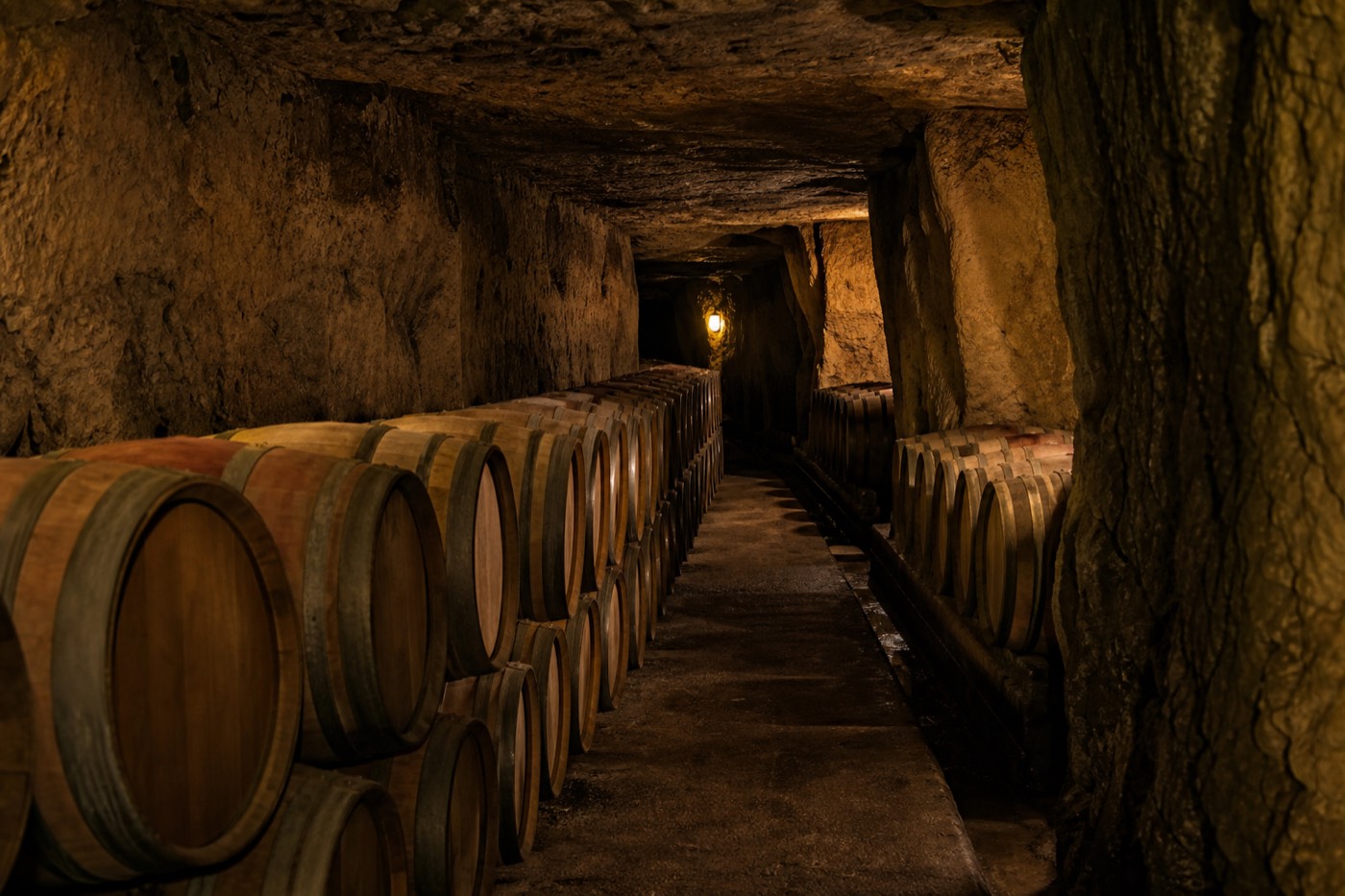
Scale compounds it. These are small working wineries built for making wine, not hosting groups. Even Château Mouton Rothschild, one of the more visitor-minded icon estates, runs guided visits Monday to Friday only, wants roughly two months' notice, and pauses tours entirely during harvest when the cellar is at its busiest. A famous name does not automatically mean a large visitor operation. Often it's closer to the opposite: the more sought-after the label, the smaller and more protected the actual welcome team tends to be.
There's also a simple math problem. A château like Lafite Rothschild or Latour produces a fixed, tiny amount of wine every year against global demand that vastly exceeds it. Opening the doors to casual tourism does nothing for that math and creates a logistics burden the estate doesn't need. The Bordeaux wine classification explained guide covers how that scarcity and the 1855 ranking reinforced each other over 170 years, if you want the fuller history behind why these particular names carry so much weight.
There's a third reason that gets less attention: reputational risk. A First Growth that lets in a bus of casual tourists and gets a lukewarm write-up online has more to lose than it has to gain from the goodwill. A family estate building its first real visitor base has the opposite calculation, every good review helps it grow. That asymmetry, not snobbery for its own sake, explains a lot of why the biggest names stay the most guarded, while smaller, equally serious estates actively compete for your booking.
Château by château: what's actually true right now
Of the most-searched names, Château Latour and Pétrus are effectively closed to individual travelers, Château Lafite Rothschild is currently closed entirely for renovation, Château Margaux and Mouton Rothschild take appointments months ahead, and Château d'Yquem, Smith Haut Lafitte, Haut-Brion and Cos d'Estournel run genuinely bookable visitor programs. The table below reflects each château's own published visiting information.
| Château | Appellation | Current status | How you'd actually get in |
|---|---|---|---|
| Château Lafite Rothschild | Pauillac | Closed to visitors for renovation until January 2028 | Not possible until reopening; even then, appointment only, largely trade and collectors |
| Château Latour | Pauillac | Not open to the general public | Trade connections or an established merchant relationship, essentially never for a first-time individual visitor |
| Château Margaux | Margaux | Open by appointment, Monday-Friday, closed weekends, August and harvest | Request months ahead via the château directly; tasting is reserved for professionals, but the on-site museum is open with no reservation during working hours |
| Château Mouton Rothschild | Pauillac | Open by appointment, Monday-Friday, booked around two months ahead | Online request form; roughly €60/person for a guided tour, the Museum of Wine in Art, and a tasting |
| Pétrus | Pomerol | Effectively closed; no regular public tours | Invitation only; most visitors see the vineyard from the public road, not the property itself |
| Château Haut-Brion | Pessac-Léognan | Open by appointment Mon-Fri, plus walk-in hours Tue-Sat in July-August | Book ahead most of the year; the tasting room (the Cave) is free to enter Tue-Sat without booking |
| Château d'Yquem | Sauternes | Open daily by reservation | Book directly on the château's own site; visits from roughly €85/person, afternoon tours only |
| Château Smith Haut Lafitte | Pessac-Léognan | Open by appointment, guided tours from 60 minutes | Book directly or via a wine-tourism platform; one of the more consistently visitor-ready classified estates |
| Cos d'Estournel | Saint-Estèphe | Open weekday mornings and afternoons, plus Saturdays April-October | Book ahead by phone or email; known for its distinctive pagoda-topped cellar architecture |
Two patterns stand out reading that list side by side. First, being a First Growth is no predictor of accessibility: Margaux and Mouton Rothschild both take real, if slow, appointment requests, while Latour and Pétrus, arguably just as famous, don't run a public visiting program at all. Second, the estates that do welcome visitors reliably, Yquem, Smith Haut Lafitte, Haut-Brion and Cos d'Estournel, aren't lesser wines. They're simply run by teams that decided hospitality was part of the business, which is its own kind of prestige.
Lafite Rothschild's closure deserves a closer look, since it changes the calculus for anyone planning a Pauillac day around it. The renovation runs through January 2028, which rules it out entirely for a 2026 or 2027 trip regardless of budget or connections. Domaines Barons de Rothschild, the group that owns Lafite, has pointed visitors toward Château Duhart-Milon instead, a fellow Grand Cru Classé estate on the banks of the Gironde in Pauillac under the same ownership, as a genuine alternative rather than a consolation prize. It's a useful example of how a closed icon name doesn't have to mean an empty day, if you're willing to book the sibling property instead of waiting for the original to reopen.
Haut-Brion runs a genuinely two-tier system worth understanding on its own. Formal guided visits need an appointment Monday to Friday, but during July and August the estate opens its doors Tuesday to Saturday without any booking required at all, a rare summer exception among classified growths. Separately, the Cave, the estate's tasting pavilion at the vineyard entrance, is free to walk into Tuesday to Saturday most of the year, with wine by the glass from around €15. That combination, a free walk-in tasting room plus a seasonal no-appointment guided-visit window, makes Haut-Brion one of the most quietly accessible First Growth-tier names in Bordeaux, even though it rarely gets mentioned in the same breath as Margaux or Mouton Rothschild. The Graves and Pessac-Léognan guide covers Haut-Brion's own history and its neighboring classified estates in more depth.
Smith Haut Lafitte and Cos d'Estournel round out the genuinely bookable tier from two different directions. Smith Haut Lafitte, in Pessac-Léognan, runs guided cellar visits from around 60 minutes up to a longer "Road to Paradise" format of one to three hours, and can be booked directly with the château or through several established wine-tourism platforms, making it one of the more consistently available classified estates for a specific date. Cos d'Estournel, in Saint-Estèphe, is worth visiting for the architecture alone, its cellars sit beneath a pair of ornate oriental-style pagodas built by a 19th-century owner who made his fortune trading in Asia, and it keeps a genuinely posted visiting schedule, weekday mornings and afternoons plus Saturdays from April through October, rather than an opaque appointment-only policy.
What does it actually cost, and how far ahead do you need to book?
Among the names that do accept visitors, prices run from free (Château Margaux's museum, Haut-Brion's Cave) to roughly €85 per person at Château d'Yquem, and lead time ranges from a same-week Cos d'Estournel reservation up to two months or more for Mouton Rothschild and Margaux. Budget and patience matter as much as which château you're chasing.
| Château | Approx. price to visit | Typical lead time |
|---|---|---|
| Château Margaux (museum only) | Free | None for the museum; months for a cellar appointment |
| Château Haut-Brion (the Cave) | From roughly €15/glass, free to enter | None most of the year; walk-in Tue-Sat in July-August |
| Château Mouton Rothschild | Roughly €60/person, guided tour + museum + tasting | Around 2 months |
| Château d'Yquem | From roughly €85/person | Book ahead; daily availability by reservation |
| Smith Haut Lafitte | Varies by format (60 min to 3 hours) | Days to weeks, ahead of most classified estates |
| Cos d'Estournel | Contact for current pricing | Days to weeks, within posted visiting hours |
None of these appointment windows are a fit for every trip, and a few travelers ask a different question entirely: rather than a few hours at a château, can you actually stay the night at one? A small number of classified estates now run their own guest rooms, a genuinely different way to spend time at a château than any of the day visits above. The overnight château stays question covers which ones and what to expect.
Why is Château Margaux so expensive, and does that make it harder to visit?
Château Margaux's prices reflect a century and a half of 1855 First Growth reputation, tightly limited annual production and sustained global collector demand, and that same scarcity is exactly why visiting is hard: the estate has no commercial incentive to build tourist infrastructure around a product it can already sell out privately. The fame and the difficulty of access come from the same root cause, not two separate problems.
This is a pattern that repeats across the icon names. Château Latour and Pétrus command some of the highest prices in the wine world for the same underlying reason: fixed, small production against demand that keeps rising, sold years ahead through the trade rather than at the cellar door. A château selling every bottle of a vintage before it's even released has little reason to staff a welcome center for walk-in tourists. It's worth knowing this going in, mostly so the closed gate doesn't feel personal. It's a business model, not a snub.
None of that changes what's actually bookable. Château Margaux's own visitor page confirms the museum next to the main building is open with no reservation during estate hours, which is the one genuinely walk-up-friendly piece of the property, even if the cellars and tasting stay reserved for professionals and long-standing clients. See Château Margaux's own visitor page for the current details before assuming anything is or isn't possible.
Lafite and Mouton are both Rothschild names. Are they the same to visit?
No. Château Lafite Rothschild and Château Mouton Rothschild are separately owned and run estates under different branches of the same family, with genuinely different visitor policies: Lafite is currently closed entirely for renovation, while Mouton Rothschild runs a real, bookable guided program with its own museum. Sharing a surname doesn't mean sharing a visiting policy, and travelers researching "Rothschild château visits" often assume it does.
Domaines Barons de Rothschild owns Lafite. Domaine Baron Philippe de Rothschild owns Mouton Rothschild, plus several other Pauillac and Médoc properties. The two businesses have run independently for generations, and it shows in how each one treats visitors: Lafite has historically leaned toward trade-only access even when open, while Mouton Rothschild built the Museum of Wine in Art specifically to give a guided visit something extra to show beyond the cellar, and actively takes booking requests online. See Château Mouton Rothschild's own visitor page for its current booking form. If a Rothschild château visit is genuinely on the list, Mouton is the realistic target; Lafite currently isn't an option at all.
| Château Lafite Rothschild | Château Mouton Rothschild | |
|---|---|---|
| Owner | Domaines Barons de Rothschild | Domaine Baron Philippe de Rothschild |
| 1855 tier | First Growth | First Growth (promoted in 1973, the only change ever made to the ranking) |
| Current status | Closed for renovation until January 2028 | Open by appointment, Monday-Friday |
| What a visit includes | Not available currently | Guided tour, Museum of Wine in Art, tasting, roughly €60/person |
| Realistic alternative | Château Duhart-Milon, same ownership group, Pauillac | N/A, directly bookable |
That 1973 promotion is worth a small aside, since it's the only change ever made to the otherwise-frozen 1855 Classification. Mouton Rothschild was originally ranked a Second Growth and campaigned for decades before being formally elevated to First Growth status, a genuinely unique event in the ranking's 170-year history. It's a small piece of trivia that explains a lot about why the estate has always leaned harder into building its own visitor identity, the museum included, than some of its more reserved First Growth peers.
What does a real Bordeaux tour actually get you close to?
The site's own tours don't promise entry to a First Growth cellar, but they do get you inside real classified estates, past several of the famous names from the outside, and into the tasting rooms of properties built specifically to receive guests. That's a more honest and, for most travelers, more enjoyable version of a "famous château" day than chasing an appointment that was never going to happen.
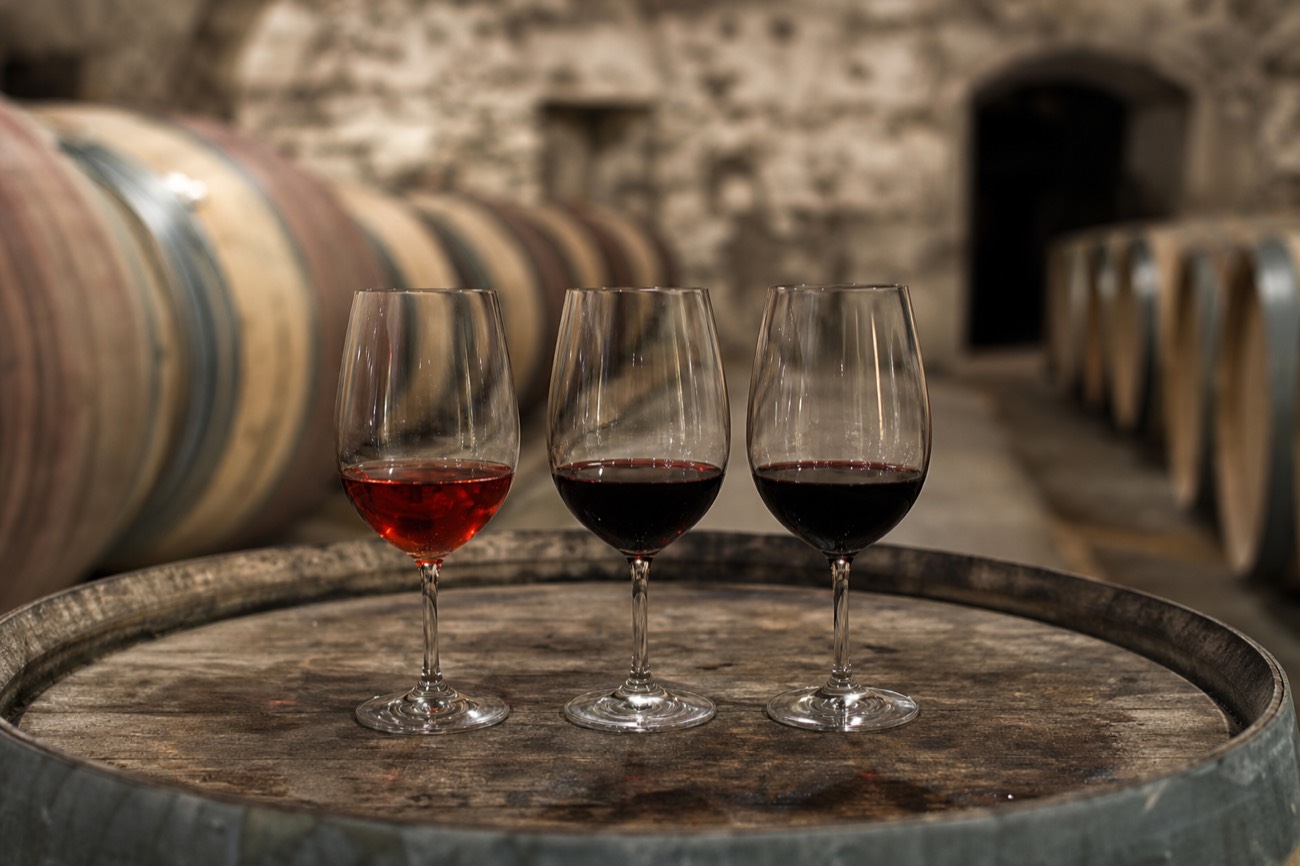
The Margaux discovery tour visits a real 5th Grand Cru Classé château for a guided tour and tasting, plus a photo stop at Château Margaux's own gates and the tree-lined avenue that appears on nearly every bottle label from the appellation, no entry, but a genuine look at the place. The private Citroën DS Médoc tour covers more ground in a vintage car, with 2-3 château visits across Margaux, Saint-Julien, and on the full-day option Pauillac and Saint-Estèphe too, its own listing notes that booking tastings at prestigious estates along the route needs 2-6 weeks' notice, a rare piece of concrete honesty about how far ahead this world runs. The full-day e-bike tour to Saint-Émilion pedals past Château Cheval Blanc and Pétrus on the way to two included château stops, so you see both from the road exactly as most visitors do, before tasting somewhere that's actually set up for you.
| Famous name | What you'll realistically get | Via which tour |
|---|---|---|
| Château Margaux | Photo stop at the gates and avenue; tasting happens at a real 5th Growth nearby | Margaux discovery tour |
| Margaux / Saint-Julien / Pauillac / Saint-Estèphe estates generally | 2-3 real château visits and tastings across up to 4 communes | Private Citroën DS Médoc tour |
| Château Cheval Blanc, Pétrus | Passed by e-bike on the route, viewed from outside, no entry | e-bike tour to Saint-Émilion |
The Pauillac, Saint-Julien and Saint-Estèphe guide goes deeper on the communes that hold Lafite, Latour and Mouton Rothschild if the specific geography of those names matters to your trip, and the Margaux wine region guide does the same for the Margaux appellation itself.
What do first-time visitors get wrong about "famous château" access?
The most common mistake is treating a château's fame as a proxy for how open it is, when the two have almost no relationship: some of the most famous names are the hardest to enter, while some genuinely excellent, still-classified estates welcome guests within days. Unlearning that assumption early saves real frustration mid-trip.
| What people assume | What's actually true |
|---|---|
| "It's a famous name, surely they take visitors" | Fame and visitor access are unrelated; some First Growths are functionally closed while some lesser-known classified estates are wide open |
| "I can just show up" | Every serious estate on this page, open or closed, works by appointment; there is no walk-in tier among the famous names |
| "A tour guide can talk their way in anywhere" | Guides get access to estates with existing relationships, usually visitor-built classified properties or family estates, not First Growths on short notice |
| "Rothschild is Rothschild, one visit policy covers both châteaux" | Lafite and Mouton Rothschild are separate businesses with separate, genuinely different policies |
The gap between "famous" and "bookable" is exactly what the chart near the top of this page scores, from estates that are essentially closed to individual travelers up to the ones that run a real, same-week-bookable program.
So which famous château should actually be on your itinerary?
If seeing a specific icon name is the priority, plan around the estates that genuinely take bookings, d'Yquem, Smith Haut Lafitte, Haut-Brion, Mouton Rothschild or Cos d'Estournel, and budget real advance notice; for everyone else, a guided tour into a real classified estate plus a photo stop at the famous gates delivers most of the experience without the appointment chase. Both are legitimate ways to spend a day in Bordeaux wine country, they just serve different goals.
| Your situation | Best approach |
|---|---|
| Booking 2+ months out, want a specific icon name | Contact Mouton Rothschild or Margaux directly for an appointment |
| Booking a few weeks out, flexible on which classified estate | Book Château d'Yquem, Smith Haut Lafitte or Cos d'Estournel directly |
| Traveling in July or August with no reservation made | Try Château Haut-Brion's walk-in window, Tuesday-Saturday |
| Short lead time, want the logistics handled | Book the Margaux discovery tour or the private Citroën DS Médoc tour |
| Mainly want to say you saw the famous names, even from outside | Any of the site’s Médoc or Saint-Émilion tours pass or photo-stop at several |
Independent travelers with weeks of lead time and a fixed set of dates should start with the château's own booking page rather than a general tour operator: d'Yquem and Smith Haut Lafitte both run their reservation systems directly online, and Mouton Rothschild's request form is the most reliable route to an actual Rothschild-name visit. Anyone without that lead time, or who wants the logistics, transport and lunch handled without doing appointment-chasing themselves, is better served by the Margaux discovery tour or the private Citroën DS Médoc tour, both of which already have relationships in place with estates set up to receive groups.
If you're still deciding how to structure the wider trip around this, best wineries to visit in Saint-Émilion covers the Right Bank equivalent of this same question, and is a Bordeaux wine tour actually worth it makes the honest case for booking a guided day instead of chasing appointments solo. Ready to see a real classified estate rather than wait on a reply that may never come? Browse the full list of Bordeaux wine tours and pick the route that gets you closest to the region you actually want to see.