Bordeaux Wine Classification Explained: What "Grand Cru Classé" Actually Means
"Grand Cru Classé" sounds like one seal of approval. In Bordeaux it's actually four separate, unrelated systems that happen to share similar-sounding names.
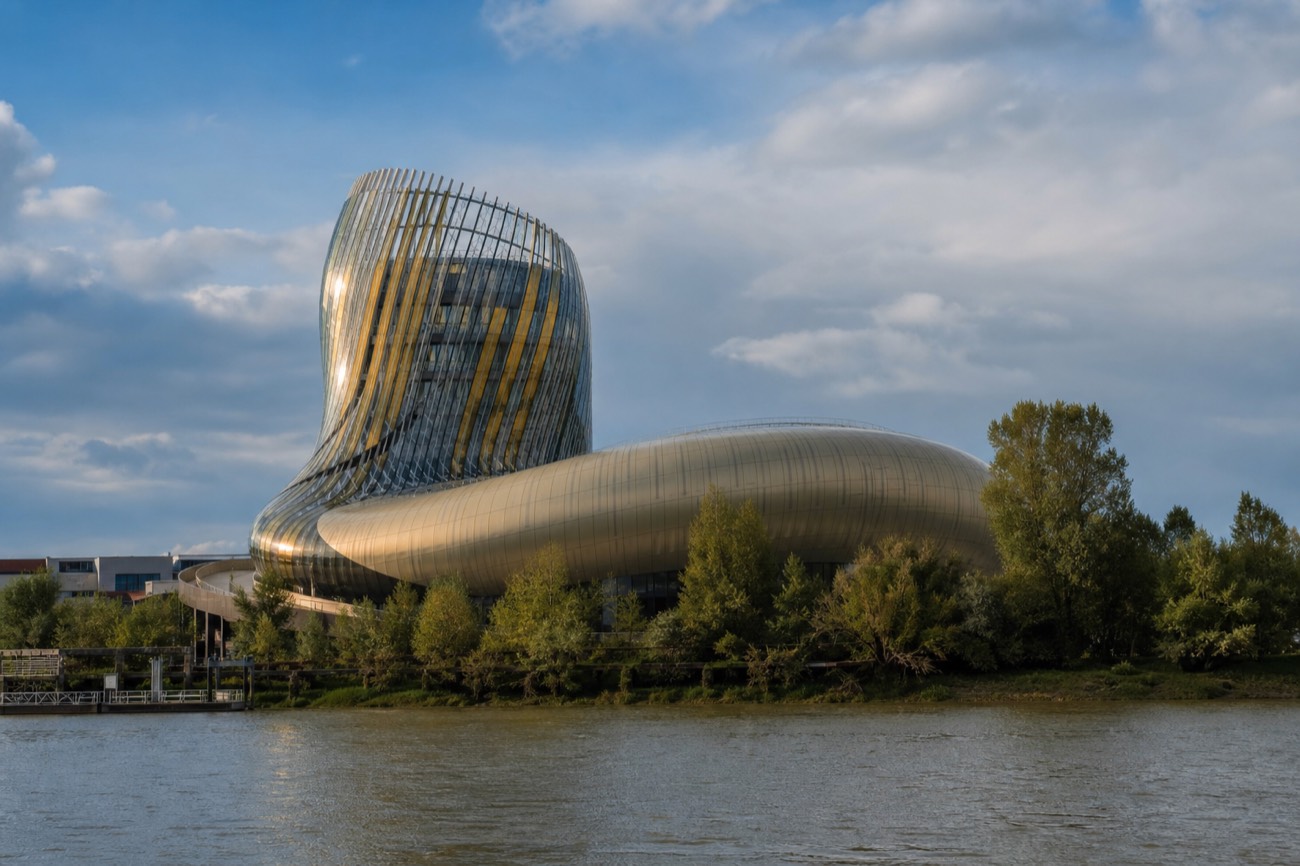
Ask a Bordeaux château what its classification means and you'll often get a proud, detailed answer. Ask a second château the same question and the answer might come from an entirely different ranking system, created a century apart, judged on different criteria, with no connection to the first. Nobody explains that up front, because within the wine trade it's assumed knowledge. For a visitor trying to plan a trip or understand a wine list, it's the single most confusing piece of Bordeaux vocabulary, and it's worth untangling properly, once, rather than picking it up in fragments.
Use the options below to weigh put Bordeaux’s labels into the glass. Start with the booking choice, or refine the shortlist after the guide.
Booking choice: A one-hour tasting of a white, a Left Bank red and a Right Bank red, with cheese and charcuterie at Olala in central Bordeaux. View Bordeaux Tasting Class
How "frozen" is each classification system
Approximate years since each system's last meaningful revision, as of 2026. Saint-Émilion's is the only system genuinely revised on a modern cycle.
What does "Grand Cru Classé" actually mean in Bordeaux?
"Grand Cru Classé" isn't one system in Bordeaux, it's a phrase used across at least five separate, unrelated classifications, the 1855 Médoc red ranking, a separate 1855 Sauternes and Barsac sweet-wine ranking, the 1953/1959 Graves classification, Saint-Émilion's own 1955 system, and the newer Cru Bourgeois du Médoc, each with different tiers, different rules, and no relationship to the others. Reading the phrase on a label tells you almost nothing until you know which system it's from.
This matters more than it sounds like it should, because the same three words, "Grand Cru Classé," appear on bottles from completely different rankings with completely different standards. A Saint-Émilion Grand Cru Classé and a phrase like "cru classé" loosely applied to a 1855 Médoc estate are not describing the same thing, even though they read almost identically on a shelf. This guide sorts out which system is which, and what each one is actually worth knowing before you taste.
None of this is trivia for its own sake. A visitor who understands that these are five separate, non-comparable systems reads a tour description or a wine list completely differently than one who assumes "classified" means one universal tier of quality. It changes how you interpret a château's own marketing, and it changes what questions are actually worth asking a guide during a tasting.
What is the 1855 Classification, and what did it actually rank?
The 1855 Classification, created for Napoleon III's Paris Universal Exhibition, ranked Médoc red wines (plus one Graves estate, Château Haut-Brion) into five tiers of "growths" using the wine prices of that era as the yardstick, and it has barely changed in the 170 years since. A separate section of the same 1855 ranking covered the sweet white wines of Sauternes and Barsac.
Bordeaux's wine brokers were asked to rank the region's best estates by reputation and price for the exhibition, and the result became the five-tier First through Fifth Growth system most people picture when they hear "Bordeaux classification." It's a snapshot of mid-19th-century commercial standing frozen in place, not a living scorecard of who makes the best wine today. See Bordeaux.com's classification overview and the 1855 Bordeaux Wine Official Classification for the full original ranking.
The sweet-wine side of the same 1855 ranking works differently: Château d'Yquem sits alone at the top as the only Premier Cru Supérieur, a rank above even the First Growths of the red-wine system, with other respected Sauternes estates like Château Suduiraut and Château Rieussec classified below it. Two completely different rankings, created the same year, for two completely different styles of wine, both still called "the 1855 Classification." The Sauternes and Barsac guide covers this side of the ranking in full, including what a real visit to Château d'Yquem costs today.
| 1855 Classification at a glance | |
|---|---|
| Created for | The 1855 Paris Universal Exhibition |
| Covers | Médoc red wines (plus Château Haut-Brion in Graves); separately, Sauternes and Barsac sweet whites |
| Tiers (reds) | First through Fifth Growth |
| Top tier (sweet whites) | Premier Cru Supérieur, held solely by Château d'Yquem |
| Revised | Almost never; largely unchanged in 170 years |
The red-wine side breaks down into 61 total estates across the five tiers: 5 First Growths, 14 Second Growths, 14 Third Growths, 10 Fourth Growths and 18 Fifth Growths. Margaux alone accounts for 21 of those 61, more than any other commune, while Pauillac holds 18, including three of the five First Growths. The Margaux wine region guide and the Pauillac, Saint-Julien and Saint-Estèphe guide cover each of those communes' classified estates in more depth.
| 1855 Classification (reds), by tier | Number of estates |
|---|---|
| First Growth | 5 |
| Second Growth | 14 |
| Third Growth | 14 |
| Fourth Growth | 10 |
| Fifth Growth | 18 |
| Total | 61 |
Only one estate has ever moved tier since 1855: Château Mouton Rothschild, promoted from Second Growth to First Growth in 1973 after decades of lobbying by its owner, Baron Philippe de Rothschild. It remains the sole exception in 170 years of an otherwise completely static ranking, which is part of why Mouton Rothschild has always invested more visibly in its own visitor identity, including the Museum of Wine in Art, than several of its more reserved First Growth peers. The famous Bordeaux châteaux you can actually visit guide covers what that means for actually booking a visit there today.
How is Saint-Émilion's classification different?
Saint-Émilion runs its own separate classification, created in 1955 and revised roughly every ten years since, with tiers called Premier Grand Cru Classé A, Premier Grand Cru Classé B, and Grand Cru Classé, and unlike the 1855 system, estates here genuinely rise and fall at each revision. It's the one Bordeaux classification built with built-in mobility rather than a fixed 19th-century snapshot.
The list has been updated in 1969, 1986, 1996, 2006, 2012 and 2022, giving Saint-Émilion estates a real, ongoing incentive to keep improving. See the Saint-Émilion's own classification system for the fuller history and the current list. The best wineries to visit in Saint-Émilion guide covers what this classification means for actually choosing an estate to visit within the appellation.
| 1855 Médoc Classification | Saint-Émilion Classification | |
|---|---|---|
| Created | 1855 | 1955 |
| Last revision | Effectively unrevised since creation | 2022 |
| Movement | Static, estates almost never change tier | Mobile, estates can rise or fall each revision |
| Tiers | First through Fifth Growth | Premier Grand Cru Classé A/B, Grand Cru Classé |
The 2022 Saint-Émilion list runs to 85 total classified estates: 2 Premier Grand Cru Classé A, 12 Premier Grand Cru Classé B, and 71 Grand Cru Classé. That's a considerably larger, broader classified pool than the 1855 Médoc system's 61 estates, and it moves in a way the older system never does.
| Saint-Émilion Classification (2022), by tier | Number of estates |
|---|---|
| Premier Grand Cru Classé A | 2 |
| Premier Grand Cru Classé B | 12 |
| Grand Cru Classé | 71 |
| Total | 85 |
Is "Saint-Émilion Grand Cru" the same as "Saint-Émilion Grand Cru Classé"?
No, and this is where the confusion gets worst: "Saint-Émilion Grand Cru" is simply an appellation with stricter production rules (lower yields, longer minimum ageing), open to any qualifying estate, while "Grand Cru Classé" is the actual selective classification covering only those 85 estates that passed the tasting panel's review. A wine can legally say "Grand Cru" without ever having been evaluated by the classification body at all.
This distinction trips up more visitors and buyers than any other piece of Bordeaux label vocabulary. A bottle marked simply "Saint-Émilion Grand Cru" has met production standards, not a quality bar set by independent tasters. A bottle marked "Saint-Émilion Grand Cru Classé" earned its place through the same formal, periodically revised review process covered above. The best wineries to visit in Saint-Émilion guide mentioned above covers what this distinction means in practice when choosing which estate to actually book.
Why does Pomerol have no classification at all?
Pomerol has never had any formal classification system, despite being home to Pétrus, one of the most sought-after and expensive wines in the world, which stands as the clearest proof anywhere in Bordeaux that classification and quality don't always track together. Reputation, in Pomerol's case, does all the work a formal ranking would normally do.
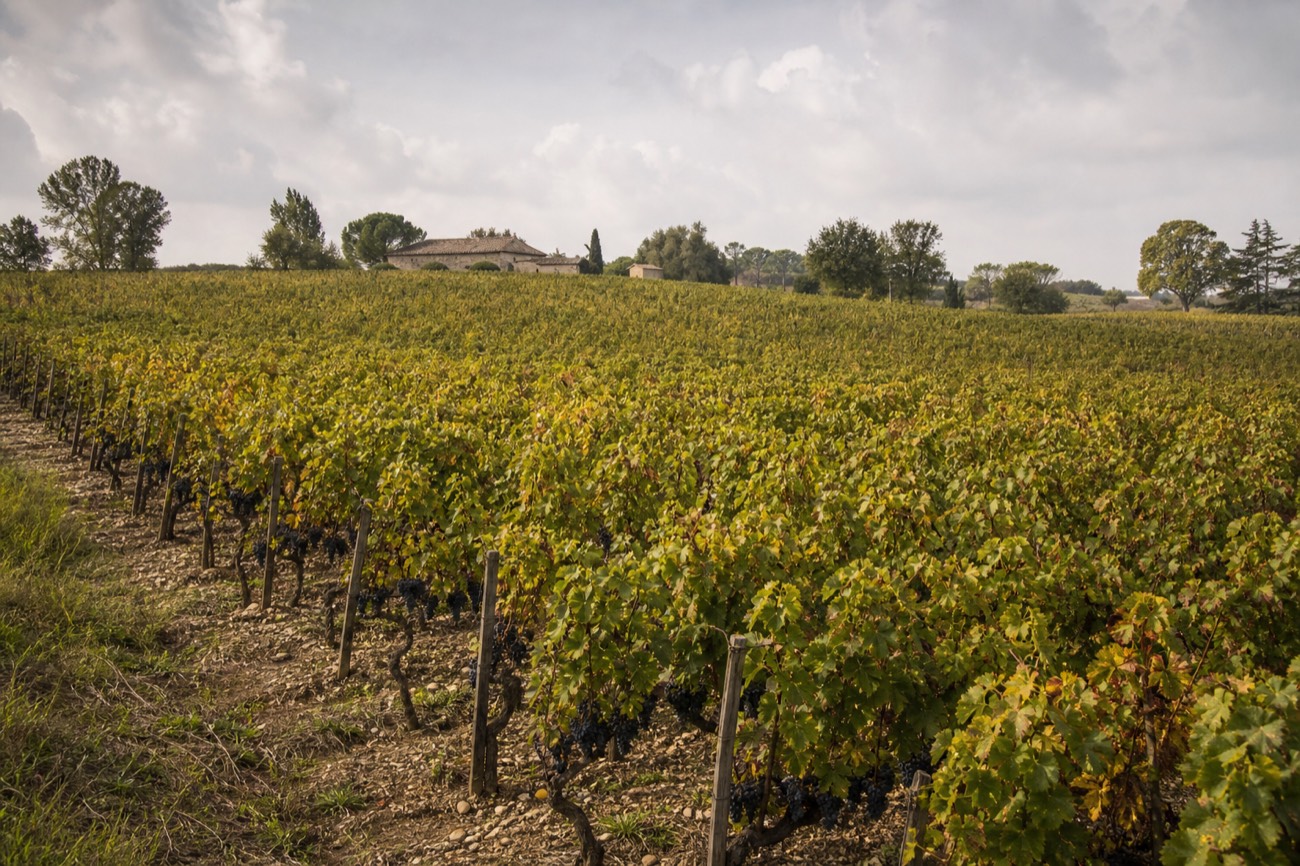
The appellation is small and largely made up of family-run estates that never organized a classification of their own the way Saint-Émilion did a century later. Instead, Pomerol's standing rests entirely on decades of accumulated critical and collector reputation. Pétrus is the extreme example: no château building of note, no formal rank, and still one of the highest prices per bottle in the world. At this point, the absence of a formal system has itself become part of Pomerol's identity within Bordeaux, a small, tightly held appellation that has never needed a classification to command some of the highest prices in the entire region.
Is there a separate classification for Graves and Pessac-Léognan too?
Yes, a fifth system: the Graves Classification, established in 1953 and lightly revised in 1959, ranking roughly 16 châteaux for red wine, white wine, or both, with every one of those estates now sitting within the modern Pessac-Léognan appellation, created in 1987. It's the least talked-about of Bordeaux's classifications, but it's real and independently administered.
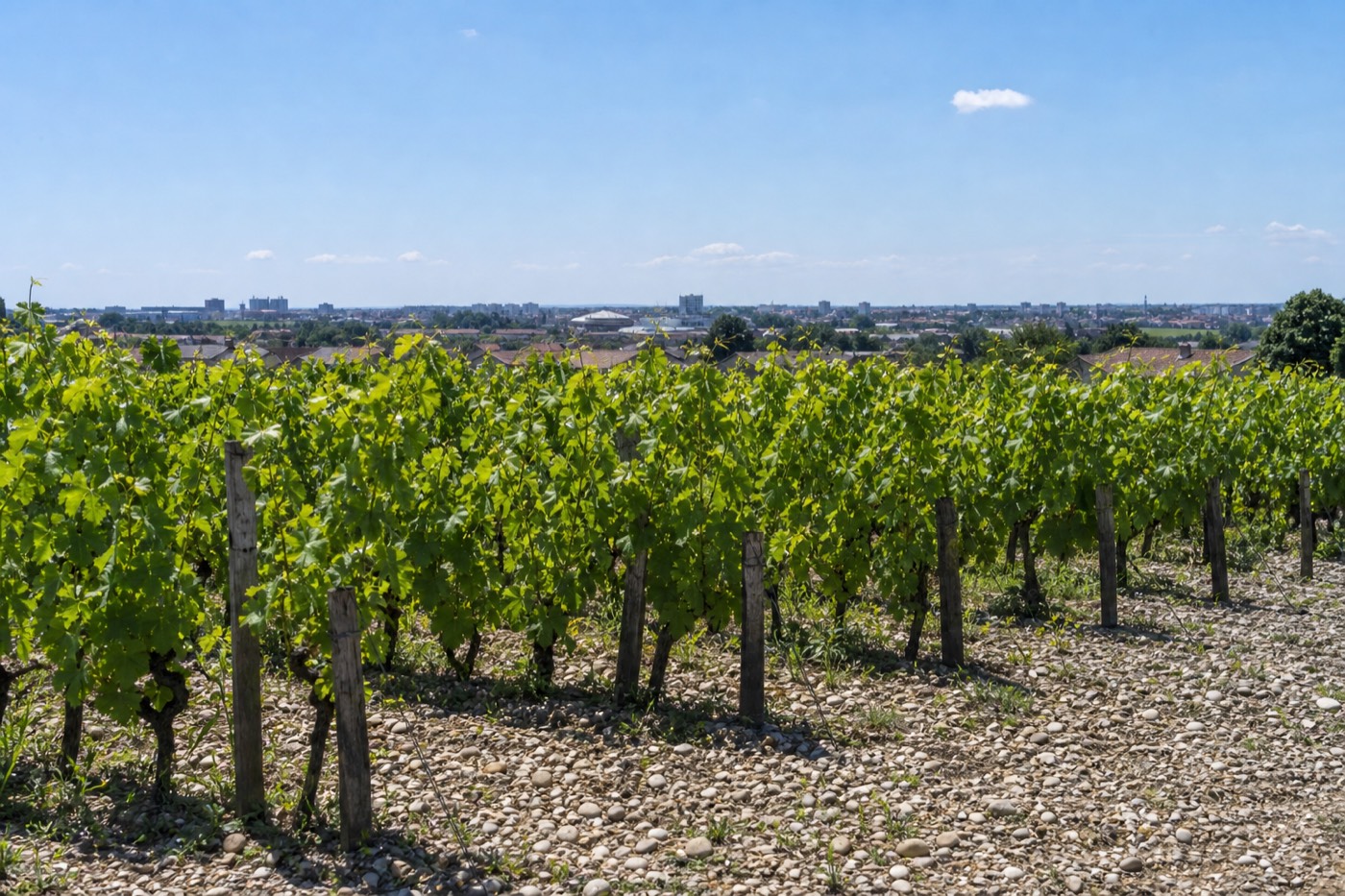
Unlike the 1855 system, the Graves Classification doesn't use numbered growth tiers at all, an estate is either classified or it isn't, with no First-through-Fifth ranking inside the list. Château Haut-Brion appears in both the 1855 red classification and the Graves classification, the one estate that bridges the Médoc's system and its own region's system simultaneously, a quirk of its geography sitting just at the edge of both. The Graves and Pessac-Léognan guide covers this classification's estates and what visiting them actually looks like.
| Bordeaux's classification systems, side by side | Created | Covers | Estates |
|---|---|---|---|
| 1855 Classification (reds) | 1855 | Médoc + Château Haut-Brion | 61 |
| 1855 Classification (sweet whites) | 1855 | Sauternes and Barsac | 26 (Château d'Yquem alone at the top tier) |
| Graves Classification | 1953, revised 1959 | Pessac-Léognan (red and/or white) | ~16 |
| Saint-Émilion Classification | 1955 | Saint-Émilion | 85 (2022 list) |
| Cru Bourgeois du Médoc | 1932, relaunched 2020 | Non-1855 Médoc estates | ~249 |
What about "Cru Bourgeois" and other names below the 1855 growths?
Cru Bourgeois du Médoc is a separate, real classification covering roughly 250 Médoc estates that sit below the 1855 Classification's five growths, relaunched in 2020 with three tiers, Cru Bourgeois, Supérieur and Exceptionnel, and reviewed on a multi-year cycle rather than fixed permanently. It exists specifically to give recognition to good Médoc estates the 1855 ranking never covered.
The 2020 relaunch classified 179 estates as Cru Bourgeois, 56 as Cru Bourgeois Supérieur, and 14 as Cru Bourgeois Exceptionnel, based on blind tasting across five vintages plus environmental certification requirements. See Cru Bourgeois for the fuller criteria. For a visitor, the practical takeaway is simple: a Cru Bourgeois label on a Médoc bottle isn't a lesser wine by default, it's a wine from an estate outside the 170-year-old 1855 list, evaluated on its own, more recent merits.
| System | Covers | Created | Last revised |
|---|---|---|---|
| 1855 Classification (reds) | Médoc + Château Haut-Brion (Graves) | 1855 | Effectively never |
| 1855 Classification (sweet whites) | Sauternes and Barsac | 1855 | Effectively never |
| Saint-Émilion Classification | Saint-Émilion | 1955 | 2022 |
| Cru Bourgeois du Médoc | Non-1855 Médoc estates | 1932, relaunched 2020 | Reviewed on a multi-year cycle |
| Pomerol | No formal classification | Never existed | N/A |
Does a higher classification mean a better wine you'll actually taste on tour?
Not necessarily. Classification reflects historical reputation and, for the 1855 system, 170-year-old pricing, not a live quality score, and several of the region's most acclaimed wines, Pétrus among them, carry no classification at all. It's a useful map of prestige and history, a much less reliable map of what will taste best in your glass this week.
This is exactly why the best Bordeaux wineries and châteaux to visit guide frames access by realistic visitor tier rather than by classification rank alone: a visitor-built classified estate with a genuinely good welcome program can deliver a better afternoon than a higher-ranked château that barely tolerates visitors at all. Classification is worth understanding as context and conversation, not as a purchasing or booking shortcut.
It helps to think of classification the way you'd think of a decades-old restaurant guide's star rating: a genuinely useful signal about a place's history and standing at the time it was awarded, worth knowing, but not something you'd treat as the final word over a menu you can actually read and a meal you're about to eat. The wine in the glass, the estate's current winemaking team, and the specific vintage all matter more to how good today's tasting will actually be than a ranking frozen in either 1855 or 1955.
How does classification actually affect what you'd pay for a bottle or a visit?
Classification correlates loosely with price at the very top, First Growths and Premier Grand Cru Classé A estates command genuinely exceptional prices, but the correlation breaks down quickly below that: many unclassified or lower-tier estates outprice higher-classified neighbors once real-world reputation and vintage quality enter the picture. Treating the tier list as a price guide gets it backwards more often than it gets it right.
Pétrus, unclassified, is the clearest single proof point: no formal ranking at all, and consistently among the most expensive wines in the world regardless. On the visiting side, price tracks access difficulty more directly than classification tier: a First Growth museum visit can be free (Château Margaux) while a Fifth Growth-adjacent guided tasting through a tour operator runs a genuine cost, because the price of a visit reflects how the estate has chosen to run its visitor program, not where it sits on a 170-year-old list. That's the same logic behind why the site's own guided tours, none of which involve a First Growth cellar door, still deliver a genuinely classified, genuinely well-priced tasting experience: the price you pay on a guided tour reflects the operator's relationship with a visitor-ready estate, not a discount for missing out on a higher-classified name.
| Classification tier | General price relationship | Real exception |
|---|---|---|
| First Growth / Premier GCC A | Typically the highest prices | N/A, this is where the correlation holds most strongly |
| Second through Fifth Growth | Wide range, often overlapping | A well-regarded Second Growth can outprice a struggling higher tier |
| Unclassified (e.g. Pomerol) | No structural relationship to price at all | Pétrus, unclassified, among the world's most expensive wines |
| Cru Bourgeois | Generally accessible, everyday-to-mid-range pricing | Cru Bourgeois Exceptionnel estates can rival lower 1855 growths |
What should a visitor actually do with all of this classification knowledge?
Use classification as background context for understanding a wine's history and reputation, not as a checklist for planning a trip: pick a tour or an estate based on realistic access and the wine style you want, and let the classification tier be an interesting detail rather than the deciding factor. That's the honest, practical takeaway after four separate systems and 170-plus years of ranking history.
A visitor who arrives fixated on tasting only First Growths or Premier Grand Cru Classé A estates is set up for disappointment, since those specific names are the hardest in the entire region to access, covered in full in the famous châteaux guide mentioned above. A visitor who understands classification as one useful lens among several, alongside soil, grape, sub-region and a tour's own realistic access, ends up planning a trip around what's actually achievable, and usually enjoys it more for having done so.
Which classification tiers do the site's real tours actually visit?
The site's tours reach 1855-classified Médoc estates, Cru Bourgeois-tier properties and Saint-Émilion Grand Cru Classé estates, but stop short of First Growths and Saint-Émilion's Premier Grand Cru Classé A tier, which stay largely closed to guided groups. Knowing that in advance sets the right expectation before booking any of them.
| Tour | Realistic classification tier reached |
|---|---|
| Margaux discovery tour | 5th Grand Cru Classé (1855) |
| Médoc or Saint-Émilion half-day tour | Visitor-built classified estates on either bank |
| Private Citroën DS Médoc tour | Multiple classified growths across four communes, appointment-dependent |
| Wine and cheese tasting class | Includes a Bordeaux Grand Cru pour among its three wines, in-city, no travel needed |
If the goal is specifically to see one of the actual famous, hard-to-access names, the famous Bordeaux châteaux guide covers exactly which icon estates can be booked independently and which can't.
That gap between "First Growth" and "realistically bookable classified estate" isn't a shortcoming of these tours, it's a reflection of how the whole classification system actually works: the tiny handful of estates at the absolute top run their own private appointment systems regardless of who's asking, tour operator or individual traveler alike. What these four tours deliver instead is genuine, verifiable classified-growth access at the tier where hospitality and quality both show up reliably, which for most visitors turns out to be a more satisfying afternoon than a rushed, over-planned attempt at the summit. Ready to taste a real classified estate rather than just read about the ranking system? Browse the full list of Bordeaux wine tours and pick the format that matches the tier you actually want in the glass.