Bordeaux Wine and Food Pairing: What to Eat With Each Style
Bordeaux built its reputation on wine, but the region has just as strong an opinion about what belongs next to the glass. Here's what actually pairs, and where to taste it.
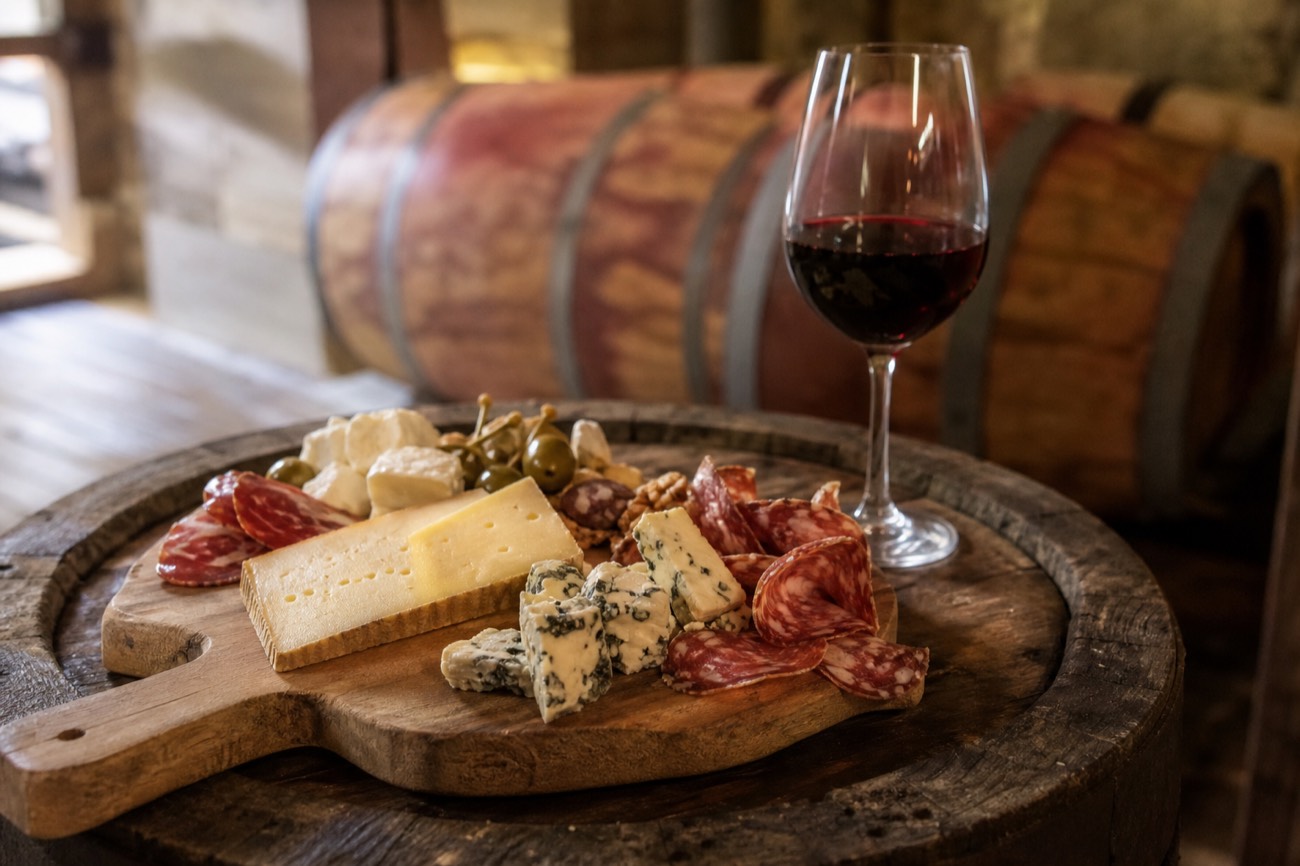
Most visitors arrive thinking about the wine alone and treat food as an afterthought, something to soak up a tasting rather than part of the point. Bordeaux doesn't see it that way. The region's restaurants, markets and family recipes developed alongside its wine industry for centuries, not after it, and a handful of specific pairings are considered close to non-negotiable by anyone who grew up here. Knowing them changes how a tasting day actually feels, and it changes what's worth ordering once the wine glass is empty and the table needs a plate to go with the next pour.
Use the options below to weigh taste in town, at a château or by the bay. Start with the booking choice, or refine the shortlist after the guide.
Booking choice: A one-hour tasting of a white, a Left Bank red and a Right Bank red, with cheese and charcuterie at Olala in central Bordeaux. View Bordeaux Tasting Class
How much food pairing is actually built into each tour
Scored on how central food is to the format, from a tasting with a side board (3) to a full walking food tour with a seated finale (5), based on each tour's own published inclusions.
What is the signature dish of Bordeaux?
Entrecôte à la Bordelaise, a rib steak grilled over vine cuttings and served with a red wine and bone marrow sauce, is generally considered Bordeaux's most iconic dish, with the canelé, a small caramelized pastry with a custard-like interior, as the region's signature sweet. Both trace directly back to the wine industry itself, which is part of why they've stuck around for centuries rather than fading into a generic regional menu.
The steak's method is the giveaway: grilling over dried vine shoots, the leftover cuttings from pruning the very vineyards that produce the wine poured alongside it, gives the meat a specific smoky char that a standard grill doesn't replicate. The sauce, built from bone marrow, shallots, red wine and veal stock, is designed to echo the tannin and depth of a structured Médoc red rather than compete with it. It's a dish that was built around the wine, not the other way around.
The canelé has an even more literal wine connection. Bordeaux's wineries traditionally used egg whites to clarify young wine, a process called fining, which left convents and bakeries near the Garonne with a surplus of egg yolks. Canelés, rich with yolk, vanilla and rum, baked in small fluted copper molds until the outside caramelizes hard and the inside stays soft, were the local answer to that surplus. You'll find them in nearly every Bordeaux bakery window, and more than one tour on this site, including the Old Town food and wine walking tour, works a taste of one into the day.
What other traditional Bordeaux dishes might you encounter alongside the wine?
Beyond entrecôte and canelé, two older regional specialties still turn up on traditional Bordeaux tables: lamproie à la bordelaise, lamprey eel stewed in a Saint-Émilion red wine sauce, and macarons de Saint-Émilion, a soft almond macaron made to an 18th-century recipe. Neither is on every menu, but both explain a lot about how deeply food and wine are tangled together in this region's history.
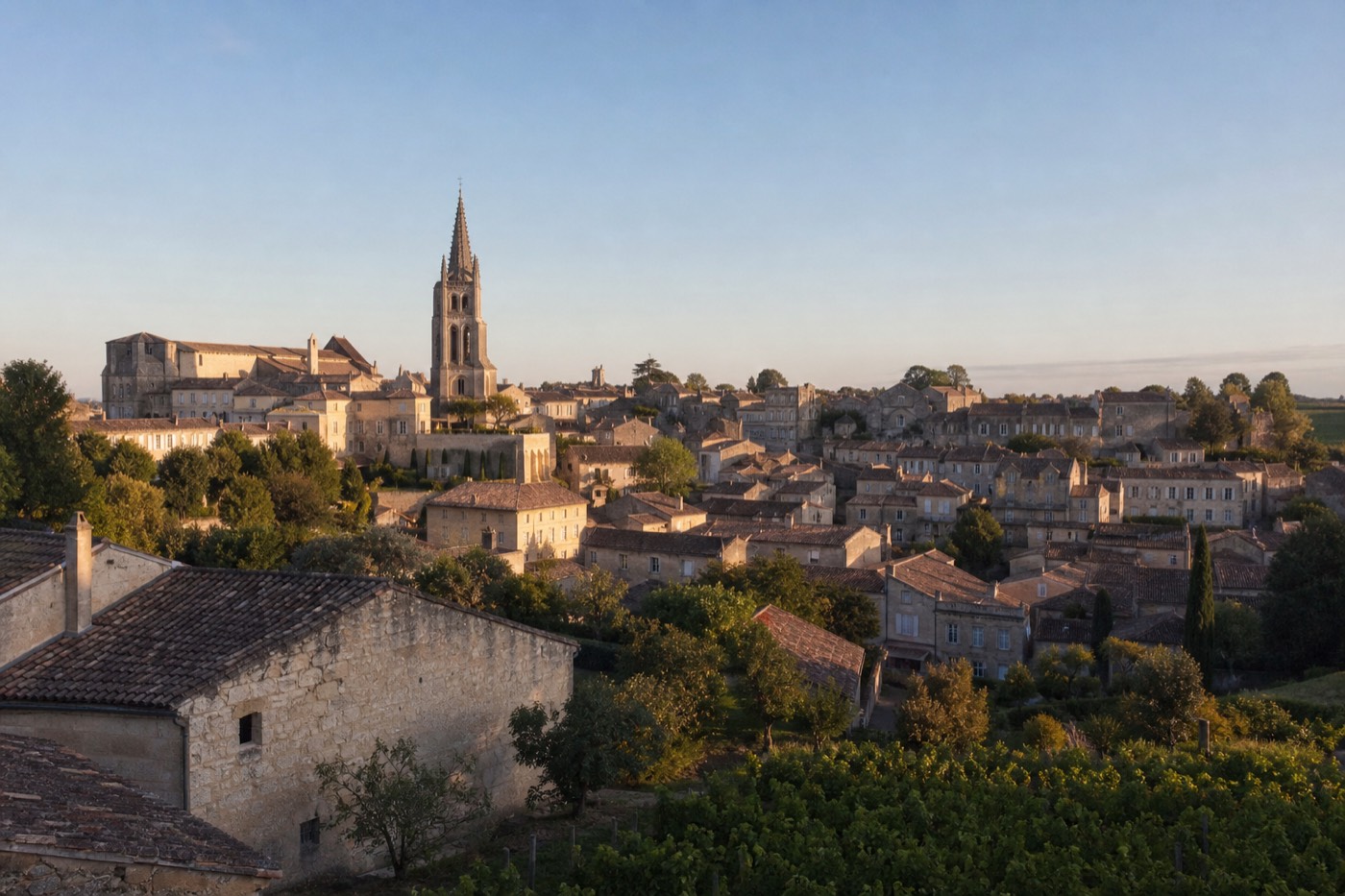
Lamproie à la bordelaise dates back to the Middle Ages, when fishermen on the Gironde estuary caught the migrating lamprey and stewed it in red wine, typically Saint-Émilion, with leeks, shallots, garlic, ham and the fish's own blood as a thickener. It's a genuinely old dish, closer to a hunter's stew than a restaurant plate, and it's become less common on modern menus, though traditional bordelais restaurants still serve it, particularly in the colder months. Macarons de Saint-Émilion sit at the opposite end of the spectrum: a delicate almond, sugar and egg-white macaron made since 1620, attributed to the village's Ursuline convent, sold by the dozen and traditionally eaten as a light dessert rather than paired with a tasting flight. The best wineries to visit in Saint-Émilion guide covers the village itself if this specific pastry tradition is part of what draws you there.
What actually pairs with a Left Bank Médoc red?
Médoc's Cabernet Sauvignon-dominant reds, structured and tannic, pair best with red meat rich enough to stand up to that grip: entrecôte à la Bordelaise, lamb, or an aged hard cheese like Comté rather than anything delicate. The logic is straightforward once you taste it: high tannin needs fat and protein to soften against, or it can read as harsh on its own.
This is exactly the food built into the site's own tours around Médoc tastings. The gourmet picnic lunch on the 3 wineries tour with a gourmet picnic pairs a Médoc red poured at the table with foie gras, rillettes, aged Comté, regional terrines and bread from one of the city's oldest bakeries, assembled from the same producers who supply Bordeaux's own restaurants. It's not a token cheese board, it's a full plate built specifically to sit alongside a structured red.
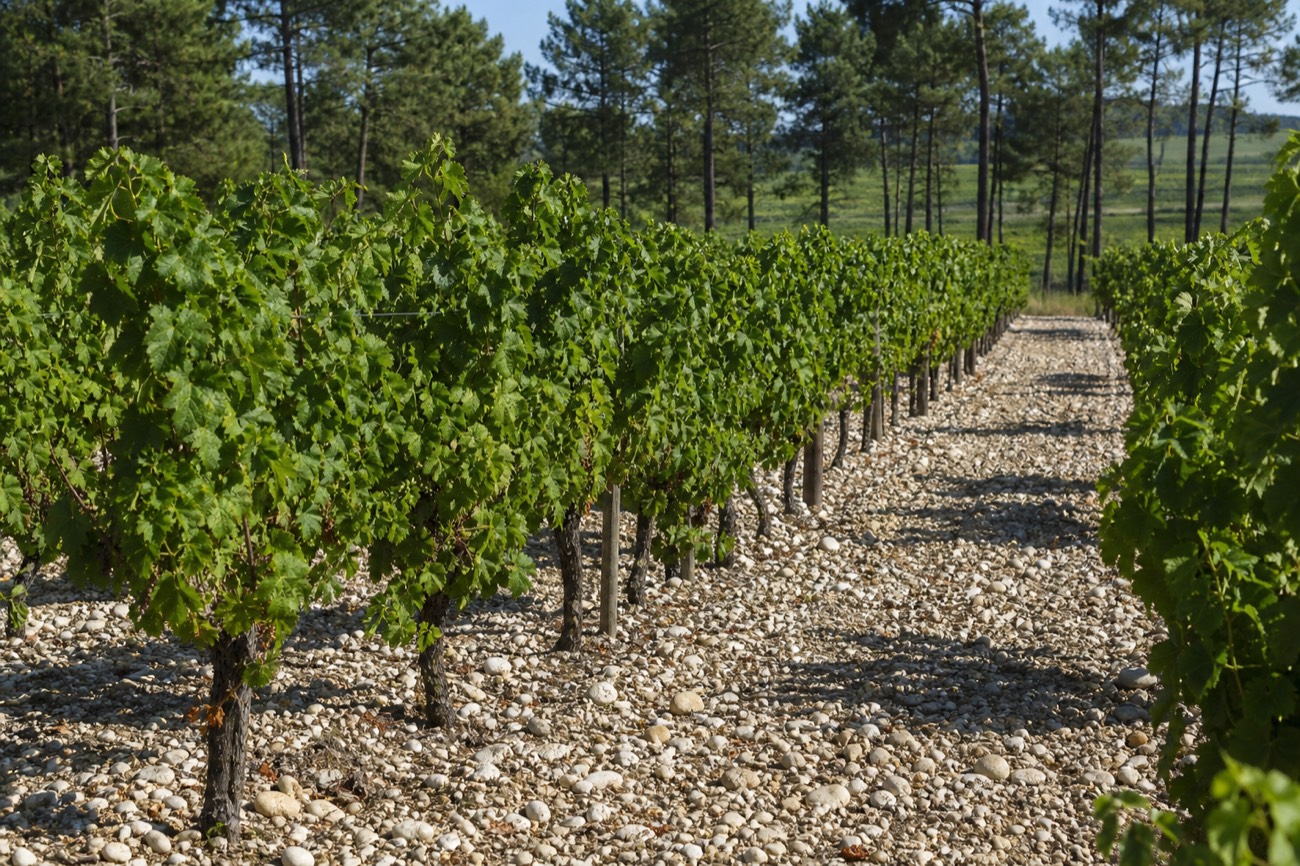
Anyone tasting Cabernet Sauvignon-dominant wine on its own, without a proper meal, generally does better with at least a cheese and charcuterie pairing than nothing at all. The guide to Bordeaux's wine regions covers why the Left Bank's gravel soils push toward this tannic style in the first place, if the wine science interests you as much as the plate. Lamb deserves a specific mention here too. It's a less obvious pairing than steak for visitors unfamiliar with the region, but the fat content and slightly gamey character of lamb stand up to a young, tannic Médoc in almost exactly the way beef does, which is why it appears on the menu at several traditional restaurants around Pauillac in particular, itself a lamb-producing area with its own agricultural reputation independent of the wine.
What actually pairs with Saint-Émilion and Pomerol's Merlot reds?
Right Bank Merlot, rounder and softer than a Médoc red, suits food that doesn't need to fight tannin: duck, mushroom-based dishes, and softer cheeses generally work better here than the firm, aged styles that suit the Left Bank. It's a friendlier pairing conversation for a first-timer precisely because Merlot asks less of the food than Cabernet Sauvignon does.
The difference between Médoc and Saint-Émilion wine covers the texture gap between the two styles in more depth if you're deciding which side of the river to prioritize for a tasting. For food specifically, the plush, plum-forward character of a good Saint-Émilion or Pomerol handles a wider range of dishes without the same risk of the tannin overpowering something delicate, which is part of why it's often the pour that gets served first at a mixed tasting before the room moves to something firmer.
Duck confit, in particular, turns up constantly on menus across the Right Bank, and it's not a coincidence. The fat rendered from the duck leg mirrors the softness of the Merlot, while the dish's savory depth gives the wine's plum and dark-cherry fruit something to play against without the harder tannic edge a Médoc red would need. Mushroom-based dishes, whether a simple sautéed side or a richer sauce, work on a similar principle: earthy flavors that complement rather than compete with Merlot's rounder profile.
What pairs with Sauternes, and why is it always served with something rich?
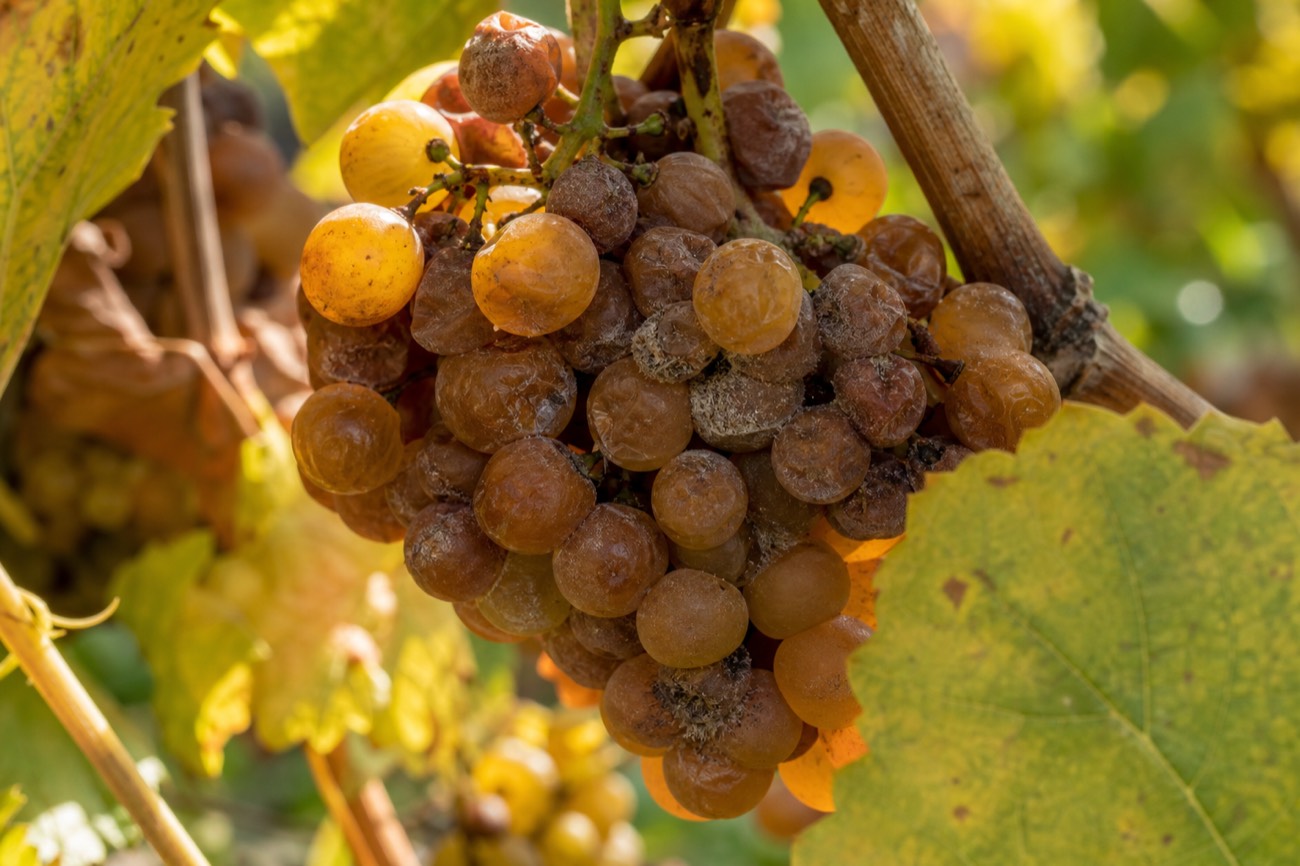
Sauternes' sweet, botrytis-concentrated white pairs classically with foie gras and with Roquefort or another strong blue cheese, because the wine's honeyed sweetness and acidity cut through rich, fatty or salty food rather than clashing with it. It's one of the oldest and most specific pairing traditions in French cooking, not a modern invention.
Foie gras and Sauternes together is considered the archetypal pairing: the wine's apricot and candied-citrus sweetness balances the dish's dense, buttery richness rather than getting lost next to it. Roquefort and Sauternes works on a similar logic in the opposite direction, salty, pungent blue cheese against the wine's honeyed sweetness, a combination that turns up on tasting menus across the region. See Sauternes for more on how the botrytis process concentrates the sugar that makes these pairings work.
The pairing works because Sauternes carries real acidity underneath its sweetness, which is what actually cuts through fat rather than just adding more sweetness on top of a rich dish. A wine that was simply sweet without that acid backbone would taste cloying next to foie gras; Sauternes' combination of concentrated sugar and bright acid is what makes the pairing balanced rather than heavy. It's the same reason a squeeze of lemon works on a rich dish, Sauternes just delivers that acidity wrapped in honeyed fruit instead.
The standard Médoc or Saint-Émilion half day does not cover Sauternes. A private Graves–Sauternes 2CV route and a local Sauternes château outing are now included in the choices below. Check the starting point: the local Sauternes outing does not establish a transfer from Bordeaux.
How do Bordeaux's own tours actually build food pairing into the day?
Four of the tours discussed here build a real food component into the tasting rather than pouring wine on its own, ranging from a full walking food tour through Old Town to a seated wine-and-cheese class in the city. Which one fits depends on whether you want food as the framework or the wine as the framework with food alongside it.
It's worth choosing deliberately here, because the four formats really do serve different appetites, in both senses. Someone who wants a genuine meal experience with wine as the connective thread should lean toward the walking tour or the picnic; someone who's mainly there for the wine and wants food as a supporting pairing rather than the day's main event is better served by the shorter tasting class or the sommelier-led walk. Neither approach is wrong, they're just built around different priorities, and knowing which one you actually want before booking avoids the mismatch of paying for a long culinary walk when what you wanted was a fast, focused tasting, or the reverse.
| Tour | Food pairing format | Price | Duration |
|---|---|---|---|
| Old Town food and wine walking tour | Tastings at artisanal bakeries, cheese shops and gourmet spots, ending with a seated wine, cheese and charcuterie tasting in a cellar | a date-dependent price | 3h |
| Chartrons wine and cheese walk | Blind tasting of 4 wines paired with a French cheese platter and fresh baguette, guided by a professional sommelier | a date-dependent price | 2h |
| wine and cheese tasting class | 3 curated wines (1 white, 2 reds) paired with a board of local cheeses and charcuterie, beginner-focused | a date-dependent price | 1h |
| 3 wineries tour with a gourmet picnic | Full gourmet picnic lunch in the vines: foie gras, rillettes, aged Comté, regional terrines | a date-dependent price | 9h |
The Old Town food and wine walking tour is led by a former chef, food writer or sommelier and treats food as the main narrative, wine as the accompaniment threaded through bakeries and cheese shops before the cellar tasting at the end. The Chartrons wine and cheese walk flips that balance slightly toward wine, with a formal blind tasting of four organic Bordeaux wines against a cheese platter, guided history of the Chartrons merchant quarter built in around it. The wine and cheese tasting class is the shortest and most affordable entry point, a genuine crash course in Left Bank versus Right Bank tasting alongside a proper board rather than a token nibble.
What actually ends up on the board matters as much as the format. Across these tours, the cheese and charcuterie pairing generally leans French classic rather than specifically Bordelais, since the region isn't known for producing its own famous cheese the way Normandy or the Alps are. What Bordeaux does instead is curate: aged Comté for structure against a Médoc red, softer regional cheeses for the Right Bank pours, cured meats and fresh bread rounding out the plate. It's less about a single "Bordeaux cheese" and more about a considered French cheese board built specifically to work with what's in the glass.
| Tour | What's typically on the board |
|---|---|
| Wine and cheese tasting class | Board of local cheeses and charcuterie, fresh baguette |
| Sommelier-led Old Town wine and cheese walk | Assorted French cheese platter, fresh baguette |
| 3 wineries tour with a gourmet picnic | Foie gras, rillettes, aged Comté, regional terrines, bread from a historic bakery |
| Old Town food and wine walking tour | Bakery and cheese-shop tastings en route, seated cheese and charcuterie finale |
What about oysters and seafood, Bordeaux's other classic pairing?
Arcachon Bay, about an hour from Bordeaux, produces some of France's best-known oysters, and the classic local pairing is a crisp dry white, most often from Entre-Deux-Mers or a dry Graves, rather than any of the region's famous reds. It's a genuinely different side of Bordeaux food culture from the château-and-red-wine image most visitors arrive with.
The standard Médoc or Saint-Émilion half day does not cover Sauternes. A private Graves–Sauternes 2CV route and a local Sauternes château outing are now included in the choices below. Check the starting point: the local Sauternes outing does not establish a transfer from Bordeaux.
Does Bordeaux's sparkling wine pair differently from its reds?
Crémant de Bordeaux, the region's traditional-method sparkling wine, is lighter and more food-flexible than the still reds, and several of the site's own tours already pour it as part of a mixed tasting flight rather than treating it as an afterthought. It's a genuinely different pairing conversation from either the Left Bank or Right Bank reds.
Most standard Bordeaux tastings on this site pour 6-12 wines across 3-5 estates, mixing reds and whites, and many tastings include a rosé or a Crémant de Bordeaux sparkling somewhere in the lineup, a detail confirmed across the site's own tour descriptions rather than a general wine-region assumption. Crémant, made using the same traditional method as Champagne but from Bordeaux's own grape varieties, works well as an aperitif pairing, light cheese, charcuterie starters, or simply on its own before the reds arrive, which is exactly the role it plays in a multi-wine tasting flight: the palate opener, not the main event.
| Wine style | Where it typically sits in a tasting | Best food role |
|---|---|---|
| Crémant de Bordeaux (sparkling) | Opening pour, palate cleanser | Aperitif, light charcuterie starters |
| Dry white (Entre-Deux-Mers, Graves) | Early in a mixed flight | Oysters, shellfish, light fish |
| Right Bank Merlot red | Middle of a mixed flight | Duck, mushroom dishes, softer cheese |
| Left Bank Cabernet Sauvignon red | Later in a mixed flight, after the palate has warmed up | Entrecôte à la Bordelaise, lamb, aged cheese |
| Sauternes (sweet white) | Closing pour, often with a savory pairing rather than dessert | Foie gras, Roquefort or another blue cheese |
That progression, sparkling or dry white first, softer red in the middle, structured red later, sweet wine last, is roughly the order most of the site's mixed tastings actually follow, since it mirrors how the food pairing itself builds through a meal. It's also a useful ordering principle even outside a guided tasting: if you're building your own meal around a bottle or two, starting light and working toward the richest wine and richest food keeps the palate from being overwhelmed early, and it means the most food-friendly pairing of the day, whichever it turns out to be for your own taste, lands somewhere in the middle rather than getting lost as either the first or last pour.
Is Bordeaux's approach to food pairing different from a New World wine region?
Bordeaux's pairing tradition grew up around specific regional dishes over centuries, entrecôte, lamproie, foie gras and Sauternes, rather than being reverse-engineered from the wine the way pairing guides for newer wine regions often are, so the "rules" here tend to be older, more specific, and more tied to particular restaurants and recipes than general pairing principles. It's a difference in origin story more than in the underlying chemistry of tannin and fat.
A Napa Valley pairing guide will usually talk in generalities: big reds want red meat, crisp whites want seafood, because the food culture around Napa's wine industry is comparatively recent and less tied to a single regional cuisine. Bordeaux's pairings, by contrast, reference actual named dishes with centuries of history, the steak grilled specifically over vine cuttings, the sweet wine paired specifically with a specific blue cheese from a specific other region of France. The wine and the food evolved together here, in the same towns, often within the same families, which is part of why a Bordeaux tasting that includes real food tends to feel more like a cultural experience and less like a pairing exercise.
| Bordeaux | Typical New World region | |
|---|---|---|
| Pairing tradition | Centuries old, tied to named regional dishes | Often newer, built around general pairing principles |
| Signature dish | Entrecôte à la Bordelaise (specific recipe, specific cooking method) | Varies; often less tied to one named dish |
| Sweet wine pairing | Sauternes with foie gras or Roquefort (specific, centuries-old combination) | Late-harvest style with "dessert" generally |
| Where the pairing happens | Often the same family estates that make the wine | More often a separate restaurant or tasting room scene |
A simple pairing cheat sheet for a first-time taster
Match tannin to fat and sweetness to richness: structured Left Bank reds want red meat and aged cheese, softer Right Bank reds want duck or mushroom dishes, and sweet Sauternes wants foie gras or blue cheese, not dessert on its own. That one rule covers most of what a Bordeaux tasting menu is actually doing.
| If you're drinking | Order or ask for | Skip |
|---|---|---|
| Médoc / Left Bank red | Entrecôte à la Bordelaise, lamb, aged Comté | Delicate fish, mild soft cheese |
| Saint-Émilion / Pomerol red | Duck, mushroom-based dishes, softer cheeses | Very spicy or acidic dishes that fight the fruit |
| Sauternes | Foie gras, Roquefort or another blue cheese | Anything already very sweet, like most desserts |
| Dry white (Entre-Deux-Mers, Graves) | Arcachon oysters, other shellfish | Heavy red-meat dishes |
If the wine itself, rather than the food, is still the open question, the guide to Bordeaux's wine regions mentioned above lays out the full soil-and-grape picture behind why each style tastes the way it does, and what to expect on a Bordeaux wine tasting tour covers the format and cost of a guided day beyond the food. Ready to taste the pairing rather than just read about it? Book a Bordeaux wine tour and pick the format built around the food you actually want alongside the glass. Whichever tour you choose, the food is never an afterthought here, it's built into the day with the same intention as the wine itself, and that's arguably the clearest sign of how seriously this region takes the plate next to the glass.